
Pride, Power, and Pop’s New Vanguard
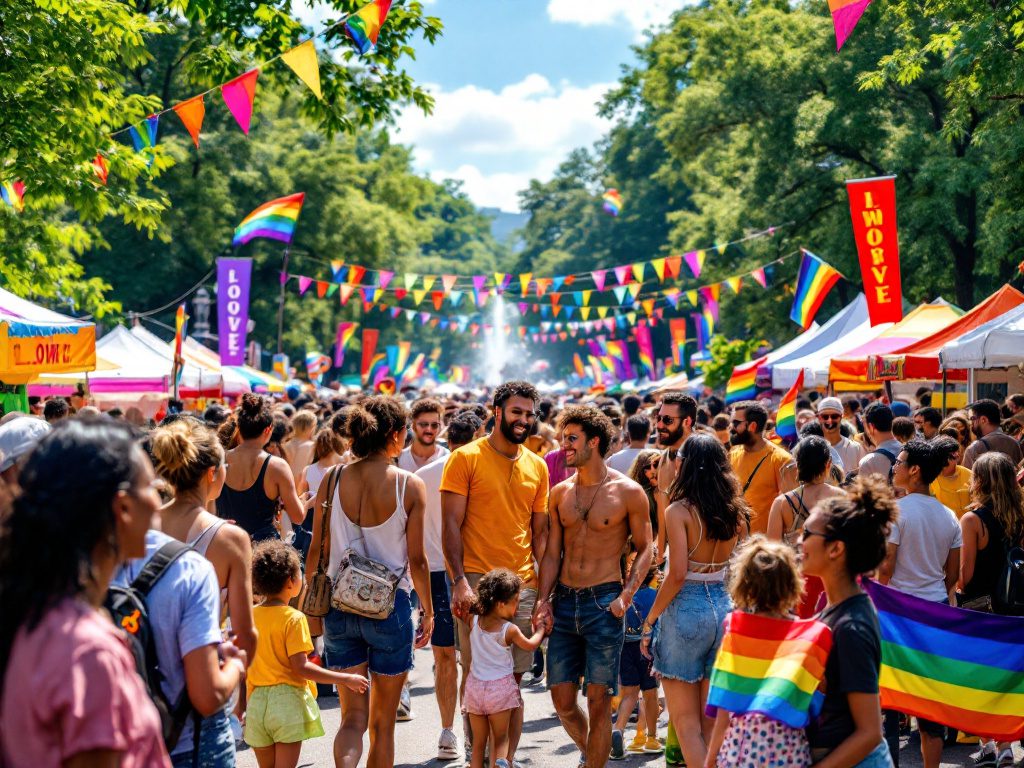
Brooklyn’s Under the K Bridge Park is about to vibrate with a level of energy even this city rarely witnesses. On June 27 and 28, LadyLand 2025 returns, anchoring New York City’s Pride Month celebrations with bravado and flash, spearheaded by two uncompromising icons: Cardi B and FKA twigs will headline this year’s festival. For anyone who’s watched LadyLand spiral from a niche gathering into a main artery of queer joy, this is the moment to see history in motion.
Every year, LadyLand’s lineup dares to push boundaries — whether musically, thematically, or in sheer unapologetic queerness. Not just another festival, LadyLand is, as nightlife architect Ladyfag’s vision ensures, a full-bodied affirmation of identity and solidarity, a beacon during a time when LGBTQ+ spaces remain all too vulnerable. Cardi B’s headliner status isn’t just about her stadium-filling charisma or platinum sales. Since her 2018 coming out, Cardi B has no longer been a bystander; she is an advocate, refusing to let her bisexually be someone’s punchline or media curiosity. She brings with her a record of pushing back on accusations of queerbaiting, instead insisting on authenticity. For Brooklyn’s queer community — and their many allies — her presence is both symbolic and transformative.
FKA twigs, meanwhile, arrives on her own arc of resilience. After visa issues shuttered her recent North American tour — a reality she lamented by posting, “it pains me to say this because i am so excited to bring you a creation that i have poured my soul into and i believe it is the best show i have ever made” — 2025’s LadyLand marks both a return and a creative homecoming. Her mythic, genre-defiant appeal is deeply resonant for Pride, where so many festivalgoers find the courage to blend, blur, and break binaries.
LadyLand’s Legacy: Centering Queer Excellence
A closer look reveals LadyLand isn’t about single-night spectacles. Over the years, its stages have been graced by a dazzling constellation: SOPHIE’s electronic brilliance, Honey Dijon’s DJ sorcery, Christina Aguilera’s pop pipes, and Madonna’s cultural gravitas. Last year, the crowd pulsed to Tinashe, Kim Petras, and Arca, while previous editions saw the likes of Tokischa and Julia Fox. All this points to an ethos: LadyLand curates lineups that reflect the intersection of music, activism, and queer culture.
This year, the magic multiplies. Supporting Cardi B and FKA twigs, a who’s-who of contemporary artistry will hit the stage: Pabllo Vittar, beloved in the global drag and LGBTQ+ community; Eartheater, Cobrah, and Sukihana, each known for their high-voltage personas and experimental sound. The 2025 roster also features Sofia Kourtesis, Uniiqu3, Boris, Isabella Lovestory, Kevin Aviance, Chippy Nonstop, and Cortisa Star—providing both genre variety and a meaningful nod to the diversity within queer artistry. With DJ sets from Hercules & Love Affair, VTSS, and Danny Tenaglia, dance music’s underground roots will get their rightful spotlight, rounding out a lineup that transcends simple entertainment and feels instead like a living archive of LGBTQ+ expression.
Why does this matter? In an era of manufactured rainbow capitalism, LadyLand holds fast to authenticity. Instead of chasing mainstream chart-toppers for empty impact, this festival remains rooted in its mission: celebrating queer lives, tackling prejudice, amplifying marginalized voices, and catalyzing conversations about intersectionality. According to Dr. Shante Wilson, a sociologist at NYU focusing on queer urban culture, “Events like LadyLand are more than parties — they’re community fortifiers. They provide visibility, safety, and pride at a time when anti-LGBTQ+ rhetoric is on the rise.”
“LadyLand isn’t just a festival; it’s a vital act of resistance and celebration in a society still learning how to care for its queer citizens.”
Those words ring truer than ever. As right-wing forces across America push anti-LGBTQ+ legislation — from book bans to bathroom bills — events like LadyLand stand as reminders that collective joy and public visibility are themselves radical tools of liberation.
Visibility, Freedom, and the Work Ahead
Beyond that, LadyLand’s emergence as a Pride Month cornerstone comes not just from its talent roster but the palpable sense of community it fosters. You see it in the care with which Ladyfag and The Bowery Presents curate both the artists and the experience. Under the bridges and city lights, attendees can expect a multi-sensory sanctuary for freedom, creativity, and chosen family.
Of course, Pride festivals across the country increasingly risk dilution into corporate spectacles, where genuine activism gets replaced by surface-level celebrations. LadyLand’s longevity — and its expanding, ever-queerer lineup — fights back. This is a space uninterested in permission, where drag, kink, ball culture, and nightlife resistance all exist side by side with pop spectacle. That’s the kind of intersectional, not-for-sale spirit that Pride was born from.
For Cardi B and FKA twigs, the spotlight is more than entertainment, it is affirmation. Cardi’s journey — from Bronx roots, to asserting her bisexuality publicly, to weathering both public scrutiny and homophobic attacks — aligns with a city whose queer scene has always demanded both courage and visibility. For FKA twigs, sharing her most ambitious show yet with a North American audience speaks to the healing and belonging Pride can offer. These stories echo across the park, carried in every song and every dance.
So, what does LadyLand 2025 promise? For those lucky enough to secure tickets (pre-sale launches April 17; general sale April 18), the festival is a pledge: queer liberation, in all its color and contradiction, will not be canceled, co-opted, or quieted. The message is loud, clear, and utterly undeniable: Brooklyn’s queer community is ready to dance, to heal, and to lead. And anyone who believes in equality, art, and the power of fearless visibility? You’re invited.
