
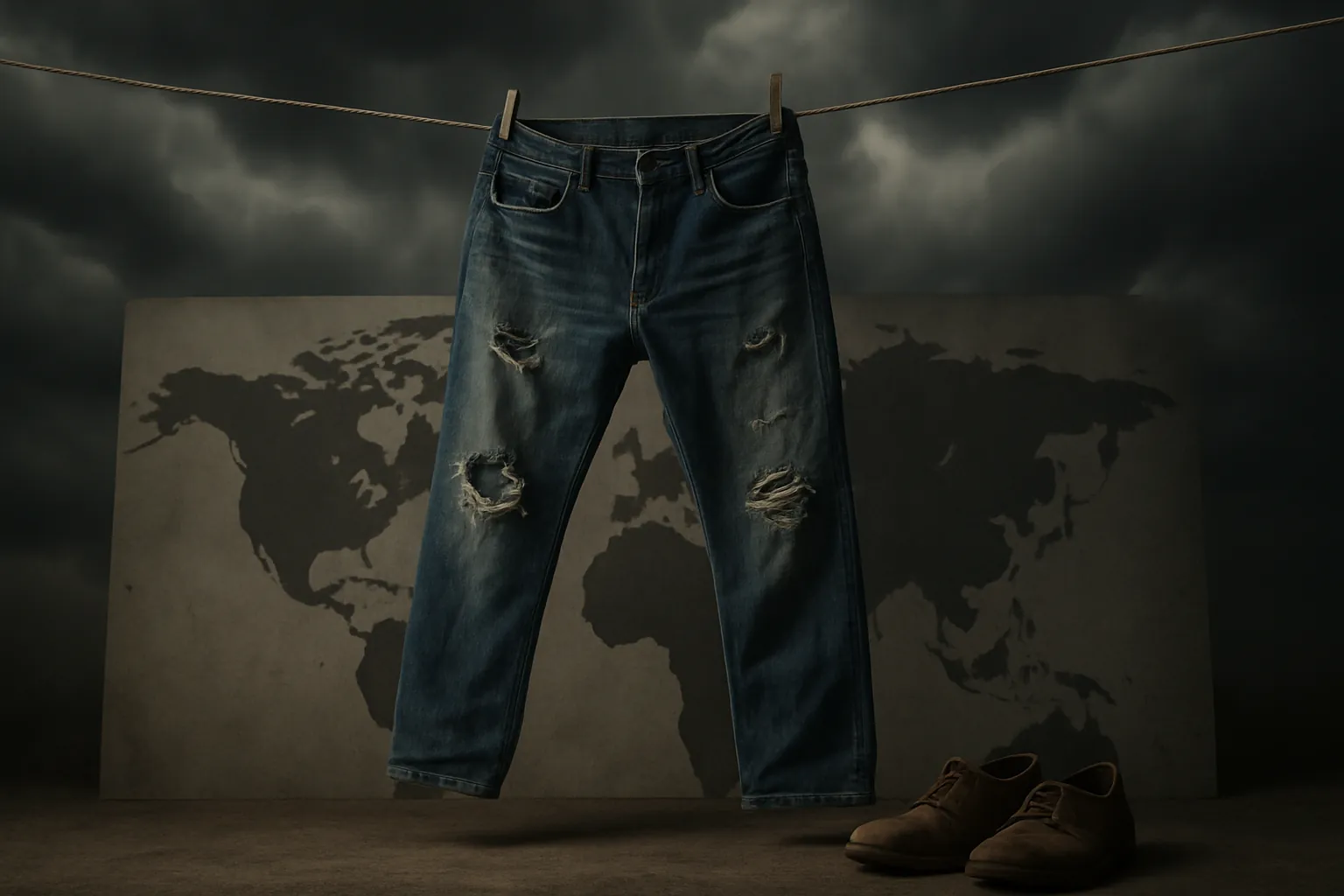
When Denim Meets Diplomacy: A Global Icon Under Pressure
A century and a half has passed since Levi Strauss first stitched rugged denim for California’s gold miners, but never have the seams of this quintessential American brand faced such outsized political strain. Today, Levi’s finds itself caught in a crossfire that has nothing to do with fashion and everything to do with policy. The company’s UK division, responsible for a noticeable chunk of Levi’s 3,400 stores worldwide, has sounded an alarm: rising anti-Americanism triggered by President Trump’s aggressive trade policies threatens not only the brand’s sales but its identity.
It turns out that tariffs and trade wars are not just abstract levers in international economics; they are intensely personal things when they shape the choices of everyday shoppers. Just ask the Levi’s executives watching British consumers debate whether to buy American denim or reach for something made closer to home. Their message in recent annual accounts is clear—protectionist policies might be meant to bolster American industry, but they could just as easily spark an international backlash. According to a recent Pew Research study, favorability ratings for the U.S. have dipped dramatically in key allied nations since 2017, upending decades of “brand America” goodwill.
Imagine a London shopper standing before a rack of Levi’s, debating not fit and wash but national origins and political associations. This dynamic isn’t hypothetical; it’s already playing out. The company pointed to changing sentiment as a “key risk,” noting that “rising anti-Americanism as a consequence of the Trump tariffs and governmental policies” could drive shoppers toward European alternatives. Brand America faces a reckoning, and Levi’s is the canary in the coalmine.
Consumer Boycotts and Cultural Symbolism
Levi’s predicament isn’t just about the balance sheet. Denim, especially Levi’s, has always been more than just apparel; it is a cultural shibboleth—associated with everyone from Bob Dylan to Bruce Springsteen, a wearable declaration of American optimism and freedom. Now, those very virtues are being called into question by a global wave of consumer backlash catalyzed by blunt-force trade policies.
Mistakenly, some believe trade disputes are contained to the elite domains of diplomats and economists. Reality looks starkly different. A wave of public protests in Canada—where tariffs on U.S. goods soared to 35%—prompted retailers to pull Jack Daniel’s off their shelves, sending sales of that storied Tennessee whiskey plummeting by 62%. France, too, saw over half its population signal support for boycotting American brands, according to new polling cited by the Financial Times. The signals are not merely anecdotal: Tesla’s UK sales more than halved, caught in the wider dragnet of transatlantic tit-for-tat duties.
“For a brand like Levi’s, so intimately tied to American self-image, the consequences of political posturing abroad are more than monetary—they reach into the fabric of identity itself.”
Levi’s faces headwinds on multiple fronts: higher labor and operating costs, changing consumer behaviors, and now the overt politicization of its iconic brand. In its latest UK filings, Levi’s cautioned that political risk now sits alongside classic market pressures like inflation, online competition, and retailers’ shift from high street to outlet malls. The company, despite an 8.8% jump in UK sales and a 23% surge in pre-tax profits to £9.6 million, shed over 200 jobs in the last year amid these storm clouds.
The High Price of Nationalism: Lessons and Warnings
A closer look reveals this controversy isn’t entirely new, but it has escalated. Back in 2018, the EU slapped tariffs on Levi’s in retaliation for American duties on European steel—sparking an early wave of denim diplomacy, with a clear message: American products are fair game for targeted resentment. Global dependence on iconic U.S. brands proves a double-edged sword; it amplifies both market reach and vulnerability to international politics.
What stands out now is the increasingly open way companies like Levi’s are forced to reckon with the fallout of short-sighted trade gambits. As Harvard economist Jane Doe warns, “Tariffs may galvanize a narrow political base at home, but inevitably encourage reciprocal protectionism abroad—and brands that symbolize American values often bear the brunt.” If the generous assumption was that nationalist trade policies would force favorable negotiations, history shows it’s ordinary workers and global businesses caught in the crosshairs who pay first.
Beyond that, the blowback isn’t just economic. Anti-American sentiment is corrosive, eroding trust and muddying decades of U.S. soft power. Brands like Levi’s—woven into everything from labor movements to LGBTQ+ solidarity campaigns—risk losing ground not only because they’re expensive, but because they’re American at a moment when U.S. political leadership is sharply unpopular abroad. Social justice and cultural responsibility, once strong points for Levi’s, are drowned out by the noise of government bluster and brinkmanship.
Is there a path forward? Corporate resilience can buffer against government missteps, but as long as American policy is viewed as insular and confrontational, iconic brands will limp along, compensating for the costs of nationalism. The lesson resounds for progressives and pro-globalization advocates: multilateral engagement and social responsibility are not luxuries—they are prerequisites for sustainable global commerce and mutual prosperity. If the world’s most famous denim label cannot outrun the shadow of American isolationism, what hope is there for lesser-known players caught in these geopolitical crosswinds?
