
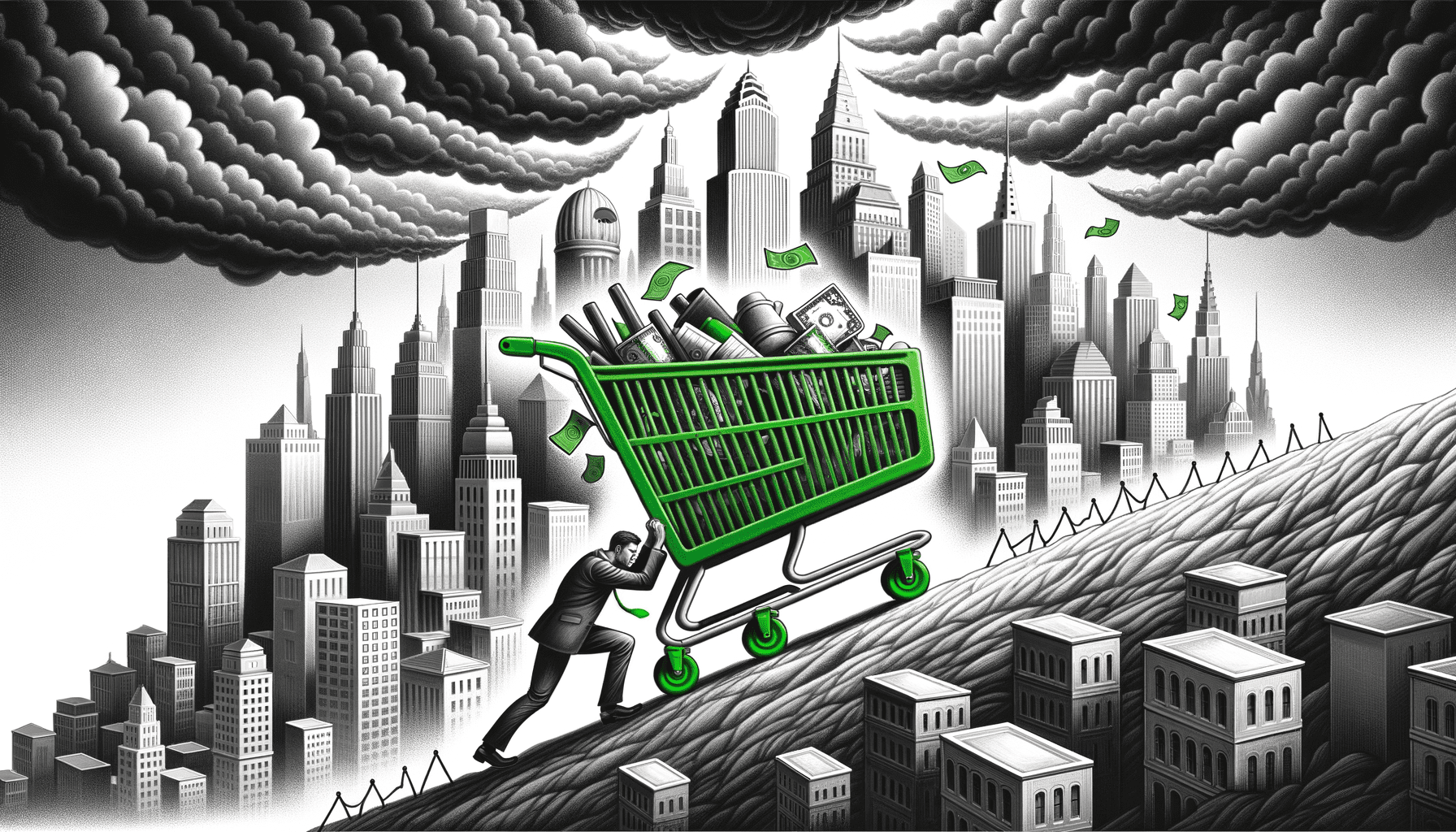
In the fickle dance of consumer confidence, February’s U.S. retail sales report stands as both a surprised note in recovery and a cautious reminder of instability. A modest 0.2% increase in February after a substantial 1.2% drop in January hints at an economy still affected by deep-seated anxieties over policy winds and global uncertainties. Even as some sectors showed resilience, broader questions about long-term growth persist under the shadows of tariffs and layoffs.
The Fragile Balance of Consumer Sentiment
The Commerce Department’s report of a 0.2% rise paints a mixed picture of consumer confidence in the United States, a sentiment that runs deeper than numbers alone can show. While grocery, home, and online sales contributed to gains, significant declines in automobile and electronics retail reveal that caution rules the consumer psyche. Bank of America data corroborates this, pointing out a softening in discretionary spending—a first tremor that many fear could signal more substantial shifts to come, especially in the Washington D.C. area.
This hesitance is not unfounded. The January slump, influenced by severe winter conditions and destructive Californian wildfires, acted as a precursor to anxieties about stability. These environmental adversities were just a spark; the real fuel lies in broader economic distress, from mass firings of federal employees to unpredictable tariff policies. Together, they amplify consumer wariness and limit the economic narrative to cautious optimism.
Underlying Economic Tensions
Outside the realm of immediate figures, what looms larger is the structural strain of current economic policies. As Treasury Secretary Scott Bessent framed it, we are in a “detox period,” a transition from public to private spending that, without a clear direction, risks faltering. Tariffs on imports, primarily viewed as blunt political instruments, more subtly alter consumer attitudes and spending habits.
Furthermore, tensions tied to the Trump administration’s decisions—emphasized by deep public sector cuts—create ripples that reach every household. These ripples manifest as reduced spending, especially in the sectors that traditionally drive growth, such as dining and vehicles, sectors palpable with uncertainties. Yet, the stakes seem higher when considering the potential long-term discomfort stemming from a shaky policy foundation.
“Fiscal and consumer policy must work in harmony, or risk alienating those very consumers we rely upon for sustained recovery,” remarked Mariana Cowell, an economist who emphasizes the delicate interplay required in modern economic planning.
Searching for Resilience and Adaptation
As we peer into the future, the sharp edges of uncertainty become more pronounced. Economists had initially predicted a healthier 0.6% rise for February, which only makes the actual 0.2% increase seem more anemic. This reflects a broader sentiment slump, reaching a near 2.5-year low as people weigh priorities amid shaky job markets and inflation worries.
Yet, communities are not without their resilience. The adaptation can be seen in the way consumer dollars migrate to sturdy ground—goods and services deemed necessary and enduring, like those ridding from grocery aisles and home improvement sections.
Retailers, like carpenters of thrift, must now sculpt creative strategies to steady the fretful demeanor of American consumers. They face a vital question: how can they nurture confidence in a time fraught with fluctuation?
In essence, the story is as much about possibilities as it is about present troubles. A visage of hope, much like a plane taxiing down the runway amidst turbulent skies—prepared but cautious, with passengers acutely aware of rolling weather.
Ultimately, these February figures urge attention and action. Notably, they remind us how consumer confidence can shift rapidly, demanding constant recalibration and a considered approach from policymakers and businesses alike.
“In the flux of economic seas, our task is not just to navigate but to chart clear courses of trust and rebuild structures of sound policy that undergird sustained growth,” adds Cowell, punctuating the spirited quest for balance.
In the end, the numbers tell us what we already know in our gut: that a vibrant economy requires more than resilience—it’s about strategically forging ahead in the face of change.
Thus, as we close on the February report, it calls us to reflect. Reflect on the lessons etched within its lines, as much about our capacity for adaptation as the inherent resilience in moving forward through and beyond economic uncertainty.
