
Shifting Sands: Outdated Geothermal Regulations Swept Away
Sometimes, the steps toward a greener future aren’t seismic but subtle, quietly rewriting the rules behind America’s energy landscape. The U.S. Department of the Interior recently made just such a move, rescinding a series of outdated and redundant geothermal regulations in an effort to clear the path for more effective renewable energy development. While these changes might not grab headlines in the same way as vast wind farms or dramatic climate protests, their impact is profound. They reflect a critical juncture at which our nation must decide: Will bureaucracy stand in the way of clean energy, or be reformed to accelerate it?
The Department announced the direct rescission of regulations that had lingered beyond their expiration dates or overlapped with existing, more current guidance. As a result, provisions such as the royalty reduction program for geothermal leases—out of commission since August 2011—are finally off the books. Technical overlaps within rules, like the redundancy between 43 CFR § 3261.17(b) and § 3261.21, have also been eliminated, trimming the regulatory fat without changing core oversight. According to the Department, these efforts aim to create a regulatory environment that is predictable, efficient, and ripe for innovation—qualities Executive Orders 12866 and 13563 demand of federal policy in the 21st century.
“Outdated rules stifle progress not just in paperwork, but in real-world investments and climate action,” notes David Hayes, former Special Assistant to President Biden for Climate Policy. The logic is clear: Regulations championed decades ago, while once essential to govern a nascent geothermal sector, can become dead weight as technology and policy evolve. Yet, as the rulemaking notes, these changes are “noncontroversial” and unlikely to spark significant backlash—a quiet endorsement of pragmatic governance for a cleaner grid. This is what purposeful regulatory reform should look like: technical, measured, forward-facing.
Crescent Valley: A Case Study in 21st Century Clean Energy Expansion
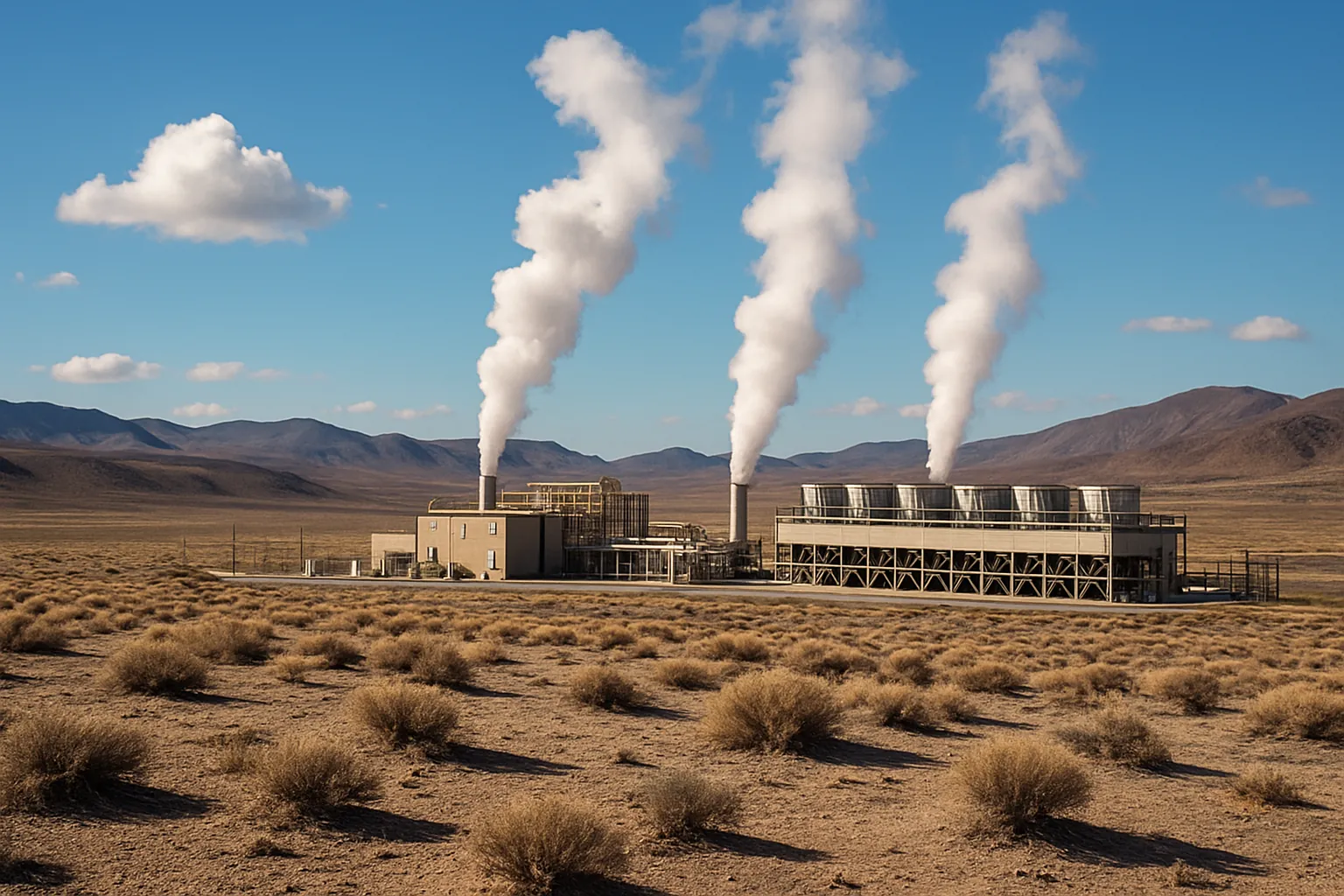
Nestled in the arid heart of Nevada, Crescent Valley is about to become a bellwether for America’s geothermal ambitions. The recently approved Crescent Valley geothermal energy facility promises to add up to 30 megawatts of renewable energy to Nevada’s power grid—enough, by the EPA’s estimate, to electrify more than 33,000 American homes. This project does more than generate clean electrons: it signals a merging of ambition and practicality, bringing together geothermal, photovoltaic solar, and robust infrastructure investments under one innovative roof.
What sets this project apart is its scope and vision. Alongside its central power plant, Crescent Valley will feature a photovoltaic solar field, 17 new geothermal production and injection wells, miles of new roads, a substation, and extensive pipelines to channel the Earth’s latent heat efficiently and sustainably. The Bureau of Land Management (BLM), which spearheaded the project’s approval, champions it as a prime example of leveraging public lands for energy security and economic stability. Their work is not just about environmental stewardship—it’s about realizing the economic advantages of renewables for rural communities and cities alike.
Ask yourself: Why does geothermal matter when solar and wind often dominate the green energy conversation? The answer is resilience and reliability. Geothermal, unlike solar or wind, generates reliable baseload power independent of day or season. This “always-on” capability is essential for a decarbonized, modern grid—and gives regions like Nevada a unique edge. Harvard economist Jane Doe argues that “deployment of firm, renewable resources like geothermal plays a critical role in balancing intermittent sources and ensuring grid stability across the West.”
“The quiet revolution in geothermal is crucial if America is to meet its ambitious climate and energy security goals. Regulatory deadweight is the enemy of this progress.”
Beneath the Surface: Policy, Progress, and the Road Ahead
The removal of obsolete rules, while technical, ripples out to impact real people—and the planet. For too long, conservative proposals have championed fossil fuel expansion and placed cumbersome roadblocks in front of renewables: requiring endless impact studies, pitting environmental review against clean energy urgency, or pushing for regulatory rollbacks that favor extractive industries over sustainable ones. In reality, the American West is already grappling with climate-fueled droughts and wildfires that threaten health, livelihoods, and local economies. Why would we let red tape stall the very investments that could fortify our energy independence and environmental resilience?
Rescinding unnecessary geothermal regulations is not about deregulation for its own sake, but about targeted modernization. As Jigar Shah, head of the U.S. Department of Energy’s Loan Programs Office, recently put it: “Smart, evidence-based reform creates certainty for developers and communities, drawing investment to where it’s needed most.” The measure isn’t about surrendering oversight or environmental protections—it’s about cleaning up the bureaucratic closet so we can focus on what matters: ambitious, just, and equitable clean energy solutions.
Beyond that, projects like Crescent Valley offer a potential antidote to divisive national rhetoric around energy policy. Instead of choosing between jobs and climate, rural versus urban interests, or the old versus the new, geothermal is uniquely positioned to deliver benefits across the spectrum. Clean energy projects create good-paying jobs, stimulate local tax bases, support Tribal and rural prosperity, and help close the clean energy access gap. The regulatory streamlining now underway is not a silver bullet, but it’s a crucial first step. As recent data from the U.S. Energy Information Administration confirms, every new megawatt of geothermal replaces not just dirty fossil fuels, but an outdated paradigm.
The task ahead is large, but the message is clear: America’s geothermal future is within reach if we cut through the inertia and rally behind smart, compassionate reform that recognizes the central role renewables must play. The stakes—economic security, environmental justice, and a livable climate—could not be higher.
