
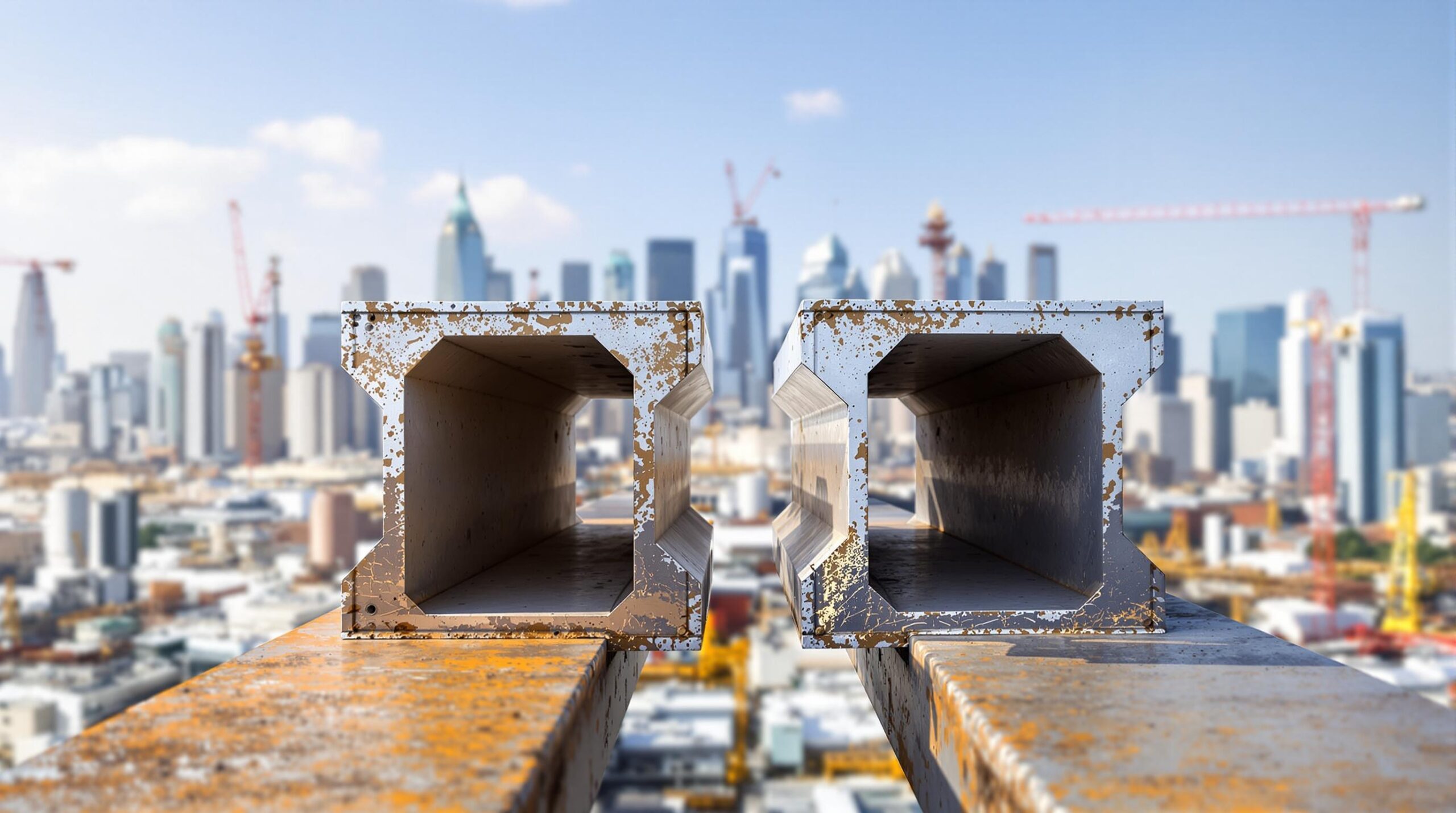
Amid tense negotiations and shifting political winds, Nippon Steel’s ambitious bid for U.S. Steel marks a potentially transformative moment for America’s iconic Rust Belt. The Japanese steelmaking titan has raised stakes significantly, suggesting it might funnel up to $7 billion to rejuvenate the aged facilities of U.S. Steel. This promise of increased investment is not just a financial calculation—it’s a strategic pivot aimed at swaying public opinion, placating political hesitation, and securing crucial regulatory approvals.
The Strategic Stakes: Rust Belt Revival or Corporate Give-in?
At the heart of this proposed fusion rests the bold pledge by Nippon Steel to invest massively in the infrastructure of U.S. Steel’s struggling Rust Belt assets, a commitment far exceeding its initial promise of $2.7 billion. Realizing a significant leap from $2.7 to $7 billion, Nippon’s new offer underscores not merely the cash involved, but a clear strategic intention to revitalize American industry for the global stage. This increased funding could be a lifeline for communities that have seen economic prosperity evaporate over decades of decline.
Economically and socially, revitalizing the rusting steel plants means creating stable, long-term employment for thousands of American workers who have watched their communities deteriorate in recent years. From Pittsburgh to Gary, Indiana, dilapidating factories have cast shadows on generations. A solid investment in modernizing these factories would inject new life and promise into regions synonymous with America’s industrial golden age.
However, beneath the compelling economic potential lurk lingering questions. Is this merely a generous corporate gift or a concession designed to ease political misgivings? Nippon’s enhanced offer comes intertwined with delicate layers of political calculation, hoping to assuage bipartisan concerns over national security and foreign ownership—issues which have previously derailed similar international mergers.
Political Shifts and Regulatory Hurdles: Trump’s Ambivalence
Critically, former President Donald Trump, known for his often protectionist economic stances and skepticism regarding foreign investment in domestic industry, recently softened his earlier hardline objections. Trump’s nuanced shift hints at political pragmatism—a willingness to accept a minority stake or partial foreign investment rather than a total foreign takeover. Trump’s pivot reflects deeper complexities in balancing nationalist economic ideals with the undeniable benefits of substantial foreign investment.
“We will continue discussions to reach an agreement on the terms of the equity purchase and future investment plans,” said Nippon President Tadashi Imai, highlighting the delicate diplomatic dance underway.
This careful calibration might make all the difference in finding a politically palatable compromise. It might also reflect broader shifts within conservative circles, which traditionally view massive foreign investments skeptically but increasingly recognize the pragmatic benefits of international economic integration.
Yet, despite Trump’s evolving stance, the Biden administration has maintained cautious vigilance about security concerns surrounding sensitive national resources. Whether these political tides will converge sufficiently to clear regulatory pathways remains uncertain, underscoring the fragility of Nippon’s ambitious plans and the complex hurdles international acquisitions often face.
Investor Reactions: Optimism and Caution Collide
Amid these shifting currents, investors on different sides of the globe offered contrasting verdicts. U.S. Steel shares surged upwards, climbing over 7% in after-hours trading in New York, buoyed by optimism that a significant financial injection might materialize. For investors familiar with the chronic undervaluation and bleak outlook U.S. Steel has long endured, this revitalization pledge represents hope for increased profitability, revamped infrastructure, and competitive resilience.
Conversely, Nippon Steel’s shareholders appeared apprehensive. The company’s stock fell significantly on Japan’s Tokyo market, dropping as much as 4.8%—the largest intraday drop since September of the previous year. This dramatic decline signified investor anxiety overshadowed by the weight of potential financial liabilities and political uncertainties that accompany international mergers, especially of strategic national assets such as steel.
Beyond Financials: A New Cross-Pacific Partnership?
Yet beyond immediate stock prices and merger mechanics lies the uniquely compelling narrative of an evolving international partnership. Nippon Steel’s decision to maintain corporate headquarters in Pittsburgh articulates a symbolic, long-term vision: a partnership that respects legacy and locality even as it bridges borders.
For Americans weary of witnessing critical industrial jobs siphoned overseas or compromised by underinvestment, Nippon’s offered deal hints at a fresh economic compact—one embracing modernization, sustainable industrial practices, and worker revitalization in economically overlooked regions.
Ultimately, this merger transcends numbers and boardroom calculations; it presents a stark philosophical crossroads for American industry. It is an opportunity to envision a future where international collaboration fuels domestic prosperity, forging sustainability, innovation, and equity into the very steel beams of future industry.
The Nippon Steel-U.S. Steel negotiations embody progressive ideals by possibly offering concrete solutions to persistent problems of economic decay and social inequality in American industrial legacy towns. Conversely, conservative skepticism regarding foreign influence and investment might represent the final barrier standing between declining communities and their potential revitalization.
Will the ideals of collective progress and international collaboration win out, or will economic nationalism and cautious conservatism limit the possibilities ahead? In Pittsburgh, Indiana, and across America, communities await the answer, hoping for an investment that not only refurbishes factories but revives dreams.
