
Transit Justice at the Crossroads: New York’s Affordability Challenge
On bustling weekday mornings in New York City, subway platforms fill with parents, caregivers, and workers juggling multiple jobs, all gambling with transit costs they can scarcely afford. For more than 360,000 low-income New Yorkers, the Fair Fares program has been a lifeline—providing half-price access to buses and subways in a city where every dollar counts. Yet, as the cost of living soars and wages struggle to keep pace, city leaders and advocates are raising their voices: The current eligibility cap—set at 145% of the federal poverty level—does not go far enough to shield vulnerable families from hard choices.
This spring, the progressive vanguard on the City Council—including Speaker Adrienne Adams and transit subcommittee chair Selvena Brooks-Powers—are demanding a profound expansion. Their proposal: raise eligibility to 200% of the federal poverty threshold, bringing access to an additional 415,000 New Yorkers who too often hover just above the official poverty line yet struggle with rent, groceries, and steadily rising transit fares.
“It is a moral imperative that we expand Fair Fares to reach all New Yorkers who need it,” declares Councilmember Rita Joseph. The urgency is clear. According to a 2023 Robin Hood Foundation study, over half of working-age New Yorkers below twice the poverty line report skipping meals or falling behind on bills to afford transit, making the subway a daily proving ground for survival rather than progress.
The Power—and Limits—of Discounted Transit
Fair Fares’ reach already extends beyond the subway turnstile. Qualifying riders can access half-price fares not only on trains and buses but on services like the Staten Island Railway, Hudson Rail Link, Roosevelt Island Tram, and Access-A-Ride for those with disabilities. Yet, a closer look reveals that even with broad eligibility, significant gaps persist. A family of four making $46,600—roughly the current maximum for qualification—can be just one emergency away from crisis. Those earning only a few thousand dollars more may appear middle-class on paper but experience the precarity that defines so much of urban working life.
Why is this expansion so urgent in 2024? Decades of disinvestment in public services have collided with post-pandemic inflation and housing costs, hollowing out the city’s vaunted social mobility. The consequences extend far beyond missed commutes. When fares become barriers, children miss opportunities for quality education, working parents forgo potential jobs, and seniors go without vital medical care. In practical terms, it’s not just about mobility—it’s about dignity, opportunity, and inclusion.
Harvard economist Jason Furman, who chaired President Obama’s Council of Economic Advisers, points out the social ripple effects: “When transportation costs consume a large share of household income, they function as a regressive tax—trapping families at the margins.” As New York pivots to a new budget, the city faces what could be one of its most consequential decisions this decade: whether affordable transit remains a privilege for the poorest, or a public good accessible to all who labor but still can’t keep up.
Political Hurdles—and the Path Forward to Real Equity
What stands in the way of expanding Fair Fares? City Hall’s perennial budgetary squeeze is a familiar refrain. Transit funding frequently becomes a political bargaining chip—caught between the mayor’s office and the council, vulnerable to outside pressures as state and federal aid ebbs and flows. The additional $34 million requested by council champions is a rounding error in the city’s $106 billion budget, yet critics have seized on cost and “abuse prevention” arguments familiar from welfare debates of the past.
“Affordable transportation isn’t just about getting from point A to point B—it’s a matter of social justice. If we freeze people out of the city’s arteries, we are freezing them out of opportunity.” — Council Speaker Adrienne Adams
History tells us the pitfalls of half-measures. During the Reagan administration, budget cuts to transit and public programs coincided with dramatic increases in urban poverty and ghettoization. The lesson: failure to invest in public mobility exacerbates inequality, both within generations and across them. Instead of a handout, discounted fares are the crucial on-ramp to participation in civic life—enabling the very economic mobility that conservatives so often claim to champion.
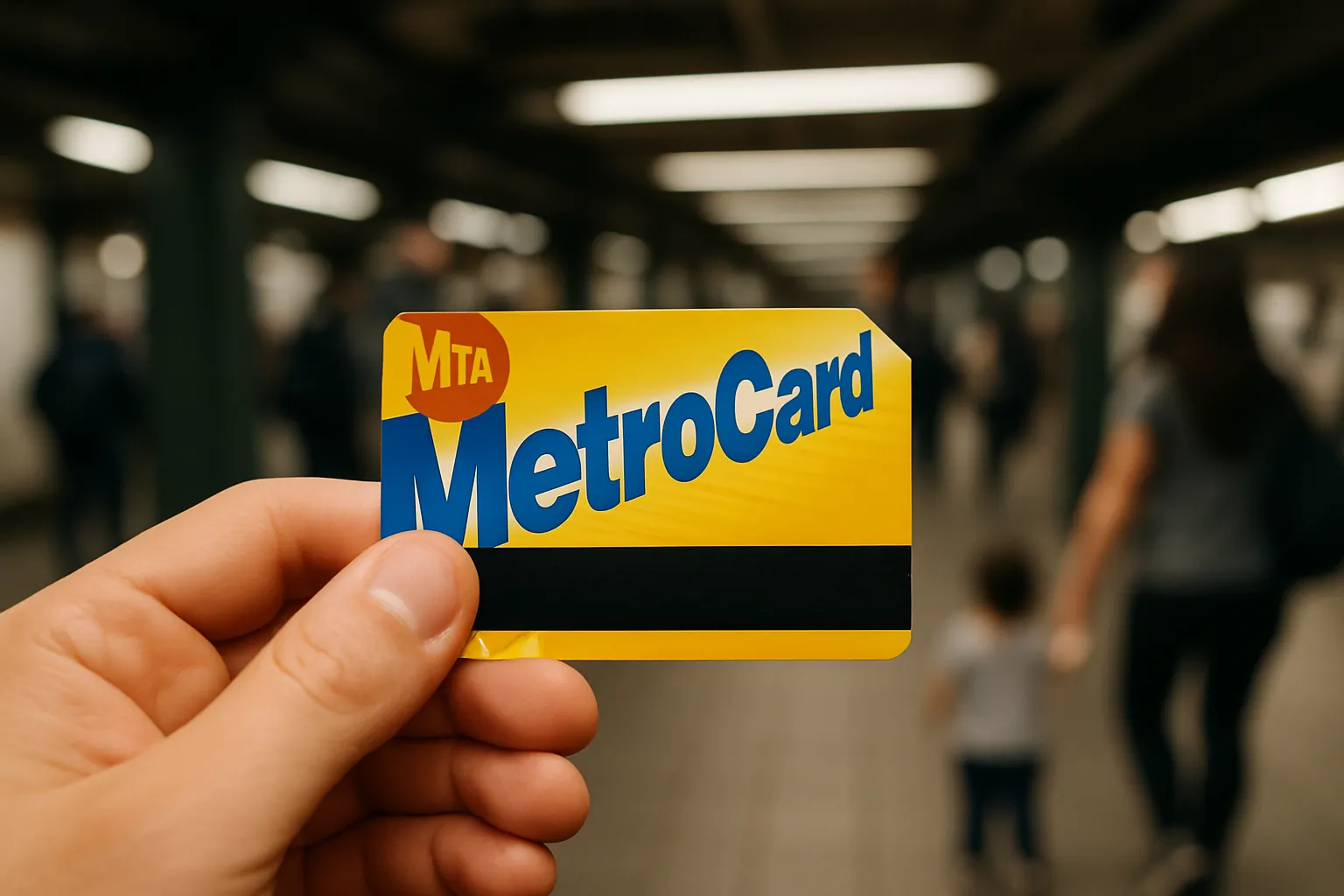
Public polling consistently shows broad support for expanding transit assistance. A 2022 Data for Progress survey found over 70% of New Yorkers—across partisan lines—favored expanding discounted fares to anyone earning up to 200% of the poverty line. The lived experience behind these numbers: parents budgeting bus fare against a week’s groceries, students skipping classes to help at home rather than paying for a MetroCard, workers passing on job interviews because they can’t risk the fare.
The council’s proposal, echoing successful expansions in cities like Boston and Seattle, is grounded in a simple progressive value: a just city invests not only in infrastructure, but in people. To refuse this investment—especially as inflation and wage stagnation gnaw at household budgets—would be an abdication of civic duty, not a recipe for fiscal prudence.
Beyond the rhetoric, Fair Fares’ next chapter will hinge on Mayor Eric Adams’ willingness to see affordable transit not as a charitable gesture, but as a core function of a modern metropolis. The July 1 budget deadline looms as a litmus test: will New York double down on exclusion, or seize the chance to expand the right to mobility for those who sustain the city every day?
