
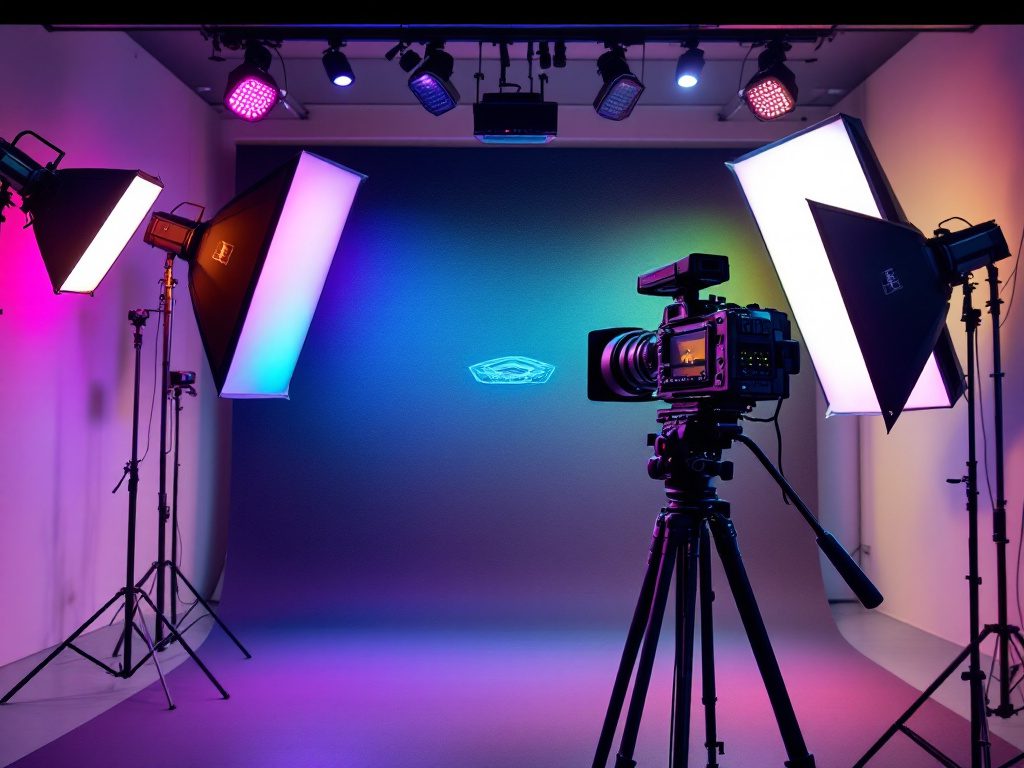
Lights, Camera, Outrage: A Pentagon Green Room Goes Hollywood
The Pentagon has always projected an image of solemnity and strategic gravitas, yet the recent transformation of a drab green room into a makeup studio—courtesy of Defense Secretary Pete Hegseth—has left the nation’s political commentators, and much of the public, aghast. According to CBS News, what began as an eye-popping $40,000 blueprint was ultimately pared down to “several thousand dollars,” but the cost-cutting here has done little to quiet the storm of criticism swirling around the endeavor.
One might laugh off the notion of a Pentagon beauty bar as the stuff of late-night satire if it weren’t unfolding against a backdrop of sweeping budget cuts, job reductions, and ongoing turbulence at the Department of Defense. Why such focus on appearances while military families feel the squeeze and readiness languishes? A closer look reveals that the decision to create what functionally resembles a television green room for on-camera makeup—complete with new director’s chair, countertop, and vanity mirror ringed by bulbs—isn’t just a harmless bit of showbiz. It’s a window into the cultural priorities quietly shaping the machinery of American defense under this administration.
The upgrade was reportedly masterminded by Tami Radabaugh, Hegseth’s deputy assistant and a former Fox News producer. Pentagon spokespersons stressed that the room, previously a simple holding chamber adorned with a TV, folding table, and photos of past secretaries, had gotten its overhaul mostly through existing inventory. Still, the optics—no pun intended—are hard to ignore in an era when the phrase “warfighting over wokeness” echoes through corridors as both justification and deflection from real scrutiny.
Makeup, Messaging, and Mixed Signals: Defining the Modern Defense Secretary
Pete Hegseth’s style, honed from years in the Fox News spotlight, is unmistakably more cable-ready than any predecessor in recent memory. According to a Pentagon official, he hasn’t held a press conference in the briefing room since taking office, but has instead used the upgraded green room as a private set for televised interviews, most notably with Fox & Friends. This blurring of public service and media performance is, of course, no accident. Instead, it signals a sea change in how some leaders prioritize direct-to-camera messaging over the tough questions (and accountability) that come with a traditional press conference.
Senate Minority Leader Chuck Schumer and Rep. Ruben Gallego—himself a veteran—were quick to lampoon the move online. In a sardonic tweet, Gallego referenced movie makeup scenes, while Schumer played with makeup terminology as metaphor for masking deeper failings. Their jibes reverberated across social media, tapping into a broader skepticism about not just the spending, but what it reveals about leadership priorities at a time when readiness and morale are in question. Is it any wonder so many are feeling left behind?
Harvard’s Elaine Kamarck, an expert in public sector ethics, weighed in for NPR, noting, “Incumbent officials must work to build trust, not glamour. These optics—cozy TV sets and costly makeup—send the opposite message to both taxpayers and our armed forces.” This isn’t merely a question of waste, Kamarck argues, but “one of leadership and stewardship.”
“In a moment demanding discipline and transparency, the Pentagon’s new makeup studio epitomizes the triumph of image over substance.”
Of course, defenders—including Pentagon spokespersons and Hegseth’s own wife, a former Fox producer—have insisted that the rooms are open to all senior leaders and that costs were minimal, calling such upgrades “routine during transitions.” But context is everything. Budget cuts across nearly every Pentagon department, not to mention layoffs affecting thousands, have left many deeply skeptical of leadership’s declared values.
Vanity in Uniform: Image, Ethics, and What Really Counts in Leadership
The Pentagon press corps hasn’t missed the irony of a department preaching austerity while redecorating for television. According to a Pew Research Center survey conducted earlier this year, public trust in government’s ability to “use funds efficiently” remains as low as it was following the 2008 financial crisis. For families of enlisted personnel grappling with delayed benefits or outdated housing, the optics of a pricey beauty studio sting in a deeply personal way.
Critics are right to ask: Who benefits from these upgrades? Not the everyday soldiers facing repeated deployments without adequate support. And not citizens who expect their tax dollars to buy security, not studio lighting. When government is preoccupied with surface-level presentation at the expense of substance, genuine progress—on everything from diversity in the ranks to securing the nation’s infrastructure—is left to languish.
Beyond that, Hegseth’s tenure has been marred by other lapses, such as reportedly sharing sensitive operational plans through unsecured messaging apps. These controversies, taken together, underscore the contradiction at the heart of his leadership: a tough-on-costs, tough-on-bureaucracy message that unravels under the smallest spotlight. Accountability, one of the core values progressive governance must fiercely defend, feels dangerously compromised.
History offers cautionary tales. Lyndon B. Johnson was once pilloried for his bathroom phone setup, and Nixon’s White House bowling alley became shorthand for presidential excess. But in an era when Americans are less trusting than ever, such symbolic indulgences carry outsized risk—and not just rhetorical. These moments plant seeds of cynicism, erode morale, and embolden the perception that those in charge care more for their media presence than the public trust.
No one expects a Defense Secretary to go unphotographed. Television is a fact of modern governance. But real leadership doesn’t require a fresh powder before the camera—it demands clarity of purpose, ethical stewardship, and a willingness to face the public, unvarnished. For progressives, the lesson is urgent: When image becomes an end in itself, integrity becomes the costliest casualty of all.
