
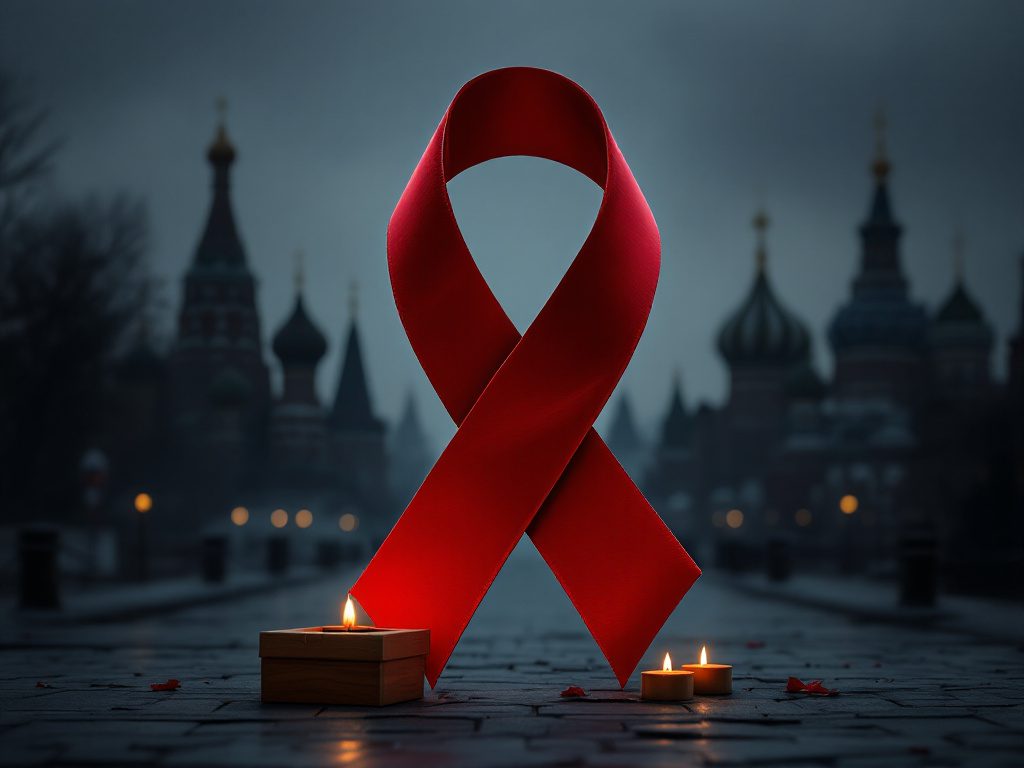
In yet another troubling indication of Russia’s growing hostility toward LGBTQ+ communities and freedoms, the country’s Prosecutor General’s office has officially declared the Elton John AIDS Foundation “undesirable,” effectively shutting down its operations within Russia. Established in 1992, this globally recognized charity aims to increase HIV/AIDS care accessibility, challenge LGBTQ+ stigmas, and fight against the continuing AIDS epidemic in more than 90 countries. But in Russia, according to authorities, these humanitarian goals are at odds with prevailing ideas of traditional spiritual and cultural values.
Russia’s Clash with Global Humanitarian Efforts
At face value, the Russian government claims the decision to ban the Elton John AIDS Foundation stems from its supposed promotion of “non-traditional sexual relations” and Western family models that purportedly undermine national traditions. But A closer look reveals this move as part of a broader, ongoing campaign by the Kremlin to suppress LGBTQ+ advocacy, stigma fighting, and inclusive healthcare initiatives.
Since its inception, Elton John’s foundation has been instrumental not only in reducing the stigma surrounding HIV/AIDS but also pushing progressive policies globally. However, Russian authorities claim that such missions compromise Russia’s moral fabric and pose threats to national sovereignty. Russian officials further accused the foundation of demonstrating a “negative attitude” towards countries that prioritize traditional moral standards, especially amidst escalated tensions surrounding Russia’s invasion of Ukraine.
A Deepening Repression of LGBTQ+ Rights
The Elton John AIDS Foundation ban is only the latest development in an ever-worsening landscape for LGBTQ+ rights in Russia. President Vladimir Putin’s administration has aggressively intensified its policies targeting sexual and gender minorities, implementing rigorous legislations that have severely curtailed the freedoms of the LGBTQ+ community. Most recently, these policies have included prohibiting gender-affirming care, outlawing public expressions of LGBTQ+ identity, and labeling multiple human rights groups as foreign agents or undesirable organizations.
“Russian authorities’ decision not only hampers essential healthcare programs but severely threatens the dignity and human rights of an already marginalized community,” says Sara Williamson, a prominent LGBTQ+ rights advocate.
This authoritarian trajectory places Russia in stark contrast to global trends pursuing greater equality, inclusion, and fundamental human dignity. Under the pretext of protecting traditional values, Moscow continues to sever vital lifelines offered by global NGOs and humanitarian organizations. By classifying the foundation “undesirable,” Russia forces immediate cessation of its in-country activities, and those continuing to support or collaborate with the organization now face potential criminal prosecution—a chilling deterrent to activism.
The Human Cost of Ideological Battles
Perhaps the most devastating impact of this decision falls upon thousands of vulnerable individuals who depend on the support previously provided by Elton John’s foundation. From offering accessible treatments to conducting educational programs and anti-stigma campaigns, the institution had been a beacon of hope and practical support to many marginalized Russians.
In an era in which significant strides have been made globally toward acceptance and tolerance, Russia’s move symbolizes a troubling step backwards. This is not merely a legislative battle; the Kremlin has systematically weaponized human rights into a diplomatic tool—leveraging LGBTQ+ suppression in an ideological contest with Western liberal democracies. It starkly illustrates how geopolitical tensions and domestic ideological posturing can deeply harm real lives.
As global criticism mounts, the Elton John AIDS Foundation has yet to officially respond to Russia’s decision. However, observers anticipate firm opposition against the ban, given Elton John’s long-standing record of vocally championing LGBTQ+ rights internationally.
Ultimately, though framed as defenses of tradition, Russia’s decisions reflect broader trends of intolerance and human rights regression. Particularly troubling is how Russian officials continue to conflate LGBTQ+ advocacy and public health initiatives with perceived threats to national integrity.
For the thousands affected directly, and for millions more watching globally, the closure of Elton John’s foundation signifies more than a political controversy—it’s a crucial human dilemma: how much suffering can a society impose on vulnerable communities, before losing its moral compass entirely?
