
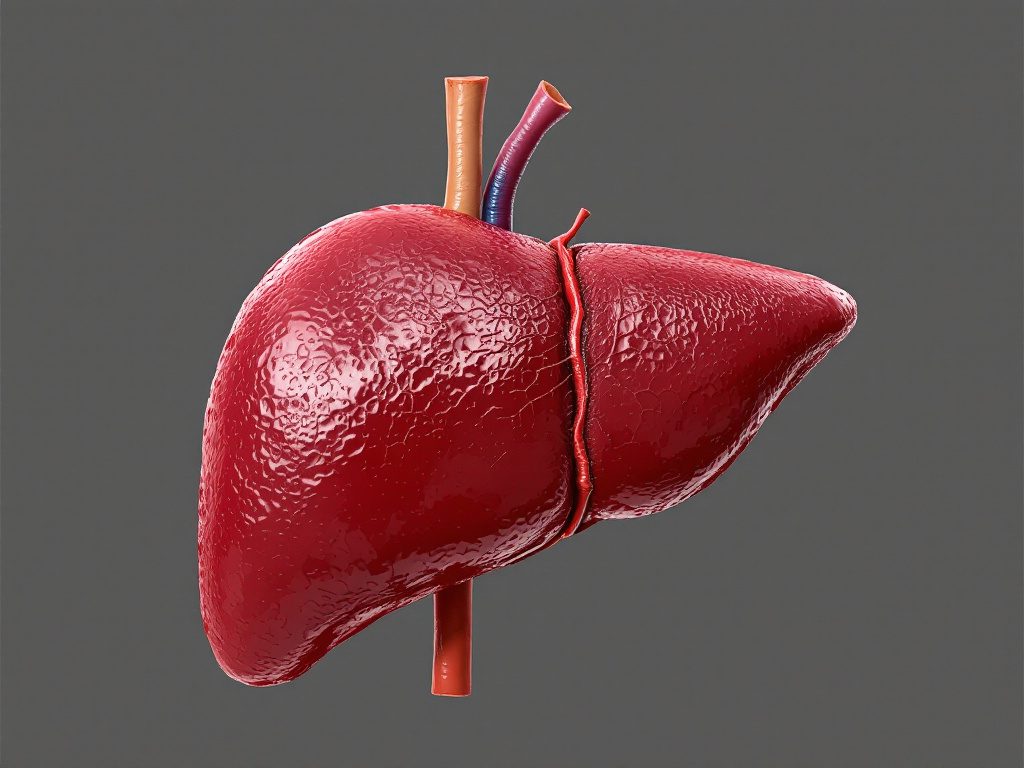
The Silent Epidemic: Fatty Liver Disease in the Modern Age
Imagine living with a potentially life-threatening illness—one that quietly damages your organs, increases your risk of heart failure, and yet often goes unnoticed until irreversible harm is done. This is the reality for millions facing metabolic dysfunction-associated steatohepatitis (MASH), a severe form of fatty liver disease. In a world where public health crises can lurk in the background, the stakes are quietly rising. Recent years have seen an explosion in cases, thanks in large part to the global surge in obesity and type 2 diabetes. According to the British Liver Trust, MASLD—the broader disease category that includes MASH—now affects one in five people in the UK and approximately one quarter of adults in the United States. These figures underscore an alarming but often overlooked reality: a chronic, underdiagnosed epidemic hiding behind silent symptoms.
A closer look reveals the complexity. MASH results when excess fat in the liver leads to inflammation and scarring, threatening organ failure and dramatically hiking the risk of cardiovascular disease. Despite its severity, patients rarely experience obvious symptoms until the damage is well advanced. Clinicians have long lamented the lack of effective therapies, often forced to advise patients to pursue lifestyle changes that, while vital, are difficult to sustain long-term for most. Until recently, there was only one FDA-approved drug (resmetirom) for noncirrhotic MASH, offering few options for the estimated 15 million Americans affected.
The world may soon have reason for hope. Groundbreaking findings from a massive, international clinical study—the ESSENCE Phase III trial—signal the dawn of a new era in liver disease treatment.
ESSENCE of Success: Semaglutide Delivers Landmark Results
Jump across continents, and you’ll find the fingerprints of the ESSENCE trial everywhere: 253 clinical sites, 37 countries, nearly 1,200 biopsy-confirmed patients. Led by prominent researchers including Professor Philip Newsome at King’s College London and Dr. Arun Sanyal of Virginia Commonwealth University, the study was nothing short of ambitious. Its core question: Could semaglutide, already celebrated as the active ingredient in Ozempic and Wegovy, tackle the devastation wrought by MASH?
The answer, according to results published in the New England Journal of Medicine, is a compelling “yes”—with nuance. After escalating participants’ doses over a 16-week period (beginning at 0.25 mg and reaching a maximum of 2.4 mg weekly), the outcomes were impossible to ignore. Findings showed that 62.9% of semaglutide recipients experienced reversal of their liver inflammation with fat build-up—more than double the rate seen in placebo (34.3%). Even more striking, 36.8% saw improvements in liver fibrosis (the tough, insidious scarring that drives many of the worst complications), compared with just 22.4% in the control group.
Semaglutide didn’t just halt disease—it reversed it for many. The trial’s implications extend beyond the liver: significant weight loss (averaging 10%), improved cardiovascular markers, and no major differences in serious side effects. For patients and physicians, these results represent real, evidence-based hope. According to Dr. Arun Sanyal, “This is the first regulatory-level trial showing the benefit of semaglutide for people with MASH—a disease that affects millions worldwide and, until now, had no effective medical therapy.”
“If these results hold up in long-term data, we are on the cusp of redefining how we treat one of the most dangerous yet overlooked threats to public health,” says Dr. Sanyal, who has championed research in the field for over two decades.
Still, critical questions remain. Semaglutide, for all its promise, is not yet approved for the treatment of MASH; more safety data and long-term outcomes must be reviewed by the FDA and other regulatory bodies. Experts anticipate an avalanche of further studies, but optimism is running high, bolstered by semaglutide’s established track record for diabetes and weight loss.
Beyond Miracle Cures: The Policy and Equity Challenge Ahead
Few scientific breakthroughs matter if they stall outside the reach of real patients. The tension between innovation and access haunts our healthcare system. Ask yourself: If semaglutide becomes a frontline therapy for MASH—joining the ranks of its high-profile uses for diabetes and obesity—will everyday patients benefit or will cost, insurance battles, and inequities block the way?
Consider the numbers. A full quarter of American adults are estimated to have MASLD, but access to drugs like Wegovy already faces significant hurdles: high costs, patchy insurance coverage, and socioeconomic bias. The same underlying health disparities that fuel the liver disease epidemic—poverty, diet deserts, lack of preventive care—also threaten to leave the most vulnerable behind when treatment breakthroughs arrive. According to a recent Pew Research study, low-income patients disproportionately lack access to cutting-edge therapies and preventive health measures. If policy doesn’t keep pace with science, these gaps could only widen.
History offers cautionary tales. The rollout of highly effective hepatitis C drugs a decade ago followed a similar arc—life-saving once finally accessible, but initially confined to those able to pay or with top-tier coverage. Only after relentless pressure, policy reform, and activism did broad access follow. Are we ready to learn from this precedent?
Equity, social justice, and collective well-being demand more than regulatory approval: they require actively dismantling barriers to care. As Harvard economist Margaret Jenkins points out, “For groundbreaking treatments to make societal impact, they must be accessible to all segments of the population—not just the insured or affluent.” Drug pricing reform, public insurance expansion, and targeted education in vulnerable communities should be urgent priorities as the regulatory process advances.
Liver disease may be silent, but our response to new therapies should speak volumes about our commitment to health for all. Transforming therapeutic progress into everyday reality—especially for those most at risk—remains our unfinished challenge. It’s a test not just of science, but of our politics, our priorities, and our sense of justice.
