
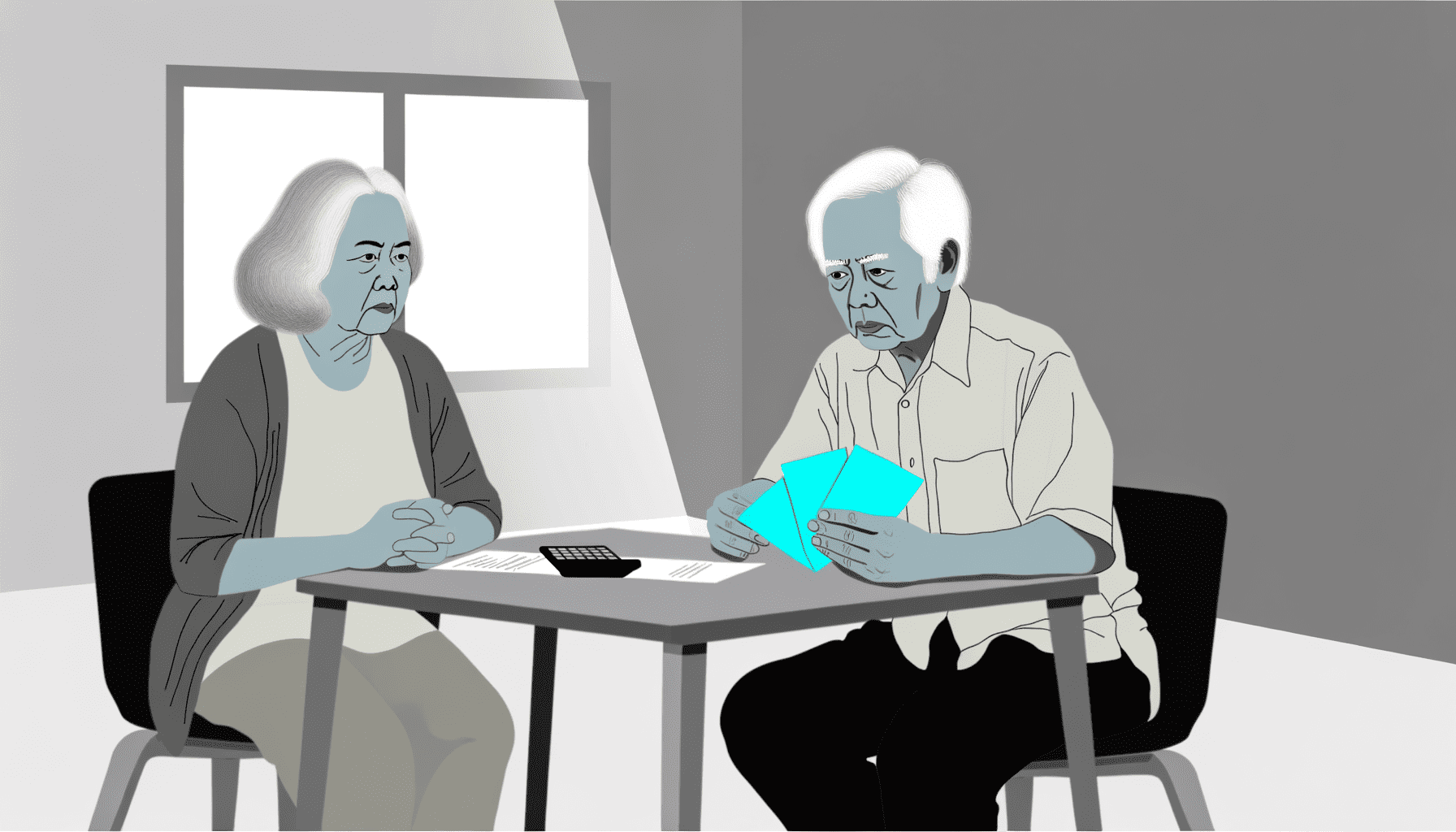
A Growing Crisis for Older Americans
The financial struggles facing older Americans have become painfully evident, as a detailed AARP survey illustrates that a significant number of adults over age 50 are increasingly reliant on credit cards to cover basic living expenses. An alarming finding from this survey revealed that 52% of Americans aged 50 to 64, traditionally the pivotal age group nearing retirement, are burdened by ongoing credit card debt. This reliance indicates a troubling reality: for many seniors, retirement security is more tenuous than ever.
There is an unspoken crisis quietly growing, exacerbated by increased living costs such as housing, food, and essential healthcare. Indira Venkat, AARP senior vice president of research, captured the dire urgency with a poignant observation, stating, “The kitchen-table economics of food, utilities, health care, all of these factors are chipping away at individuals’ ability to manage their debt.” AARP’s stark findings resonate deeply, compelling us to reconsider how current economic policies may be failing our seniors.
Medical and Vehicle Expenses Sparks Rising Debt
Another concerning dimension to this crisis involves the mounting medical expenses older Americans face, made worse by the limitations of Medicare coverage. Despite its considerable benefits, Medicare does not typically include dental, hearing, and vision care, forcing seniors to grapple with these expenses out-of-pocket or by resorting to credit card use. These medical gaps impose additional financial pressure, leaving retirees especially vulnerable when unexpected health issues arise.
Additionally, almost nine in 10 interviewed seniors reported unexpected vehicle costs as another critical factor driving debt accumulation. Interest rates frequently top 20%, turning an emergency repair into a long-term financial derailment that many find impossible to remedy quickly. Indeed, 26% of respondents expressed profound worry about their debt repayment timeline—with many expecting it’ll take over five stressful years to eliminate their debt entirely.
“26% of older adults worry it will take more than five years to clear their credit card debt–a devastating setback during what’s meant to be their golden years.”
These findings underscore the stark reality that many seniors exist precariously on a financial tightrope, persistently balancing active repayments against an insurmountable accumulation of ongoing expenses and spiraling interest payments.
The Vicious Cycle Between Debt and Retirement Security
Perhaps most distressing of all from the AARP findings is the vicious, unforgiving cycle of debt restricting prospects of secure retirements. As one respondent poignantly noted, debt and retirement funds feel competing priorities: should they use limited resources to chip away credit card debt or bolster savings fundamental for comfortable retirements? Depressingly, 47% of older adults chose credit because they simply couldn’t afford their basic necessities otherwise. Every dollar diverted towards paying down interest-piled debts means fewer investments in securing reliable health care, stable housing, and basic nutrition during their most vulnerable years.
The progression towards debt-free living should ideally accelerate as retirement looms—but too many older Americans instead find their debts rising. This group reported increased credit card balances compared to last year, signaling deteriorating financial stability and deepening economic insecurity.
Viewed comprehensively, these debts compound generational vulnerability, laying bare flaws within our socioeconomic infrastructure influencing retirement planning and elderly care. Solutions must extend far beyond basic financial literacy or budgeting workshops: broader structural policy attempts to address healthcare coverage, housing affordability, interest rate regulations, and promotional schemes targeting seniors’ credit access are urgently needed.
It’s time we pivot towards compassionate, structural solutions. Seniors deserve more than lives dominated by choosing between heating or healthcare, food or fueling indispensable vehicles. Truly equitable prosperity requires policies explicitly designed to mitigate unfair burdens exerted upon our aging community.
Collective Action Towards Sustainable Security
Not all is lost, yet the path to security demands collective action starting now: policymakers, communities, and financial institutions must collaboratively address systemic inadequacies allowing senior expenditures to routinely spiral into insurmountable debts. Seniors themselves require empowered, meaningful participation in financial planning backed consistently by accessible, comprehensive healthcare solutions.
Concerted efforts focusing distinctly on older American contexts—promoting transparency in credit promotions, ensuring robust consumer protections regulating aggressive creditor practices, and prioritizing funding for medical and crisis management assistance programs—might redirect the trajectory. Even incremental policy shifts towards stabilizing vehicle insurance costs or more inclusive medical coverage policies promise outsized benefits for struggling retirees attempting merely to sustain essential livelihoods without debilitating financial anxiety.
The wealth of our nation reflects upon how effectively we care for our elders. Setting priority towards collective solutions aimed at remediating these economic levers negatively influencing senior lifestyles crucially reaffirms our collective human dignity, underscoring how deeply interconnected sustainable community well-being and economic-policy equity truly are.
