
A Bold Commitment in a Critical Hour
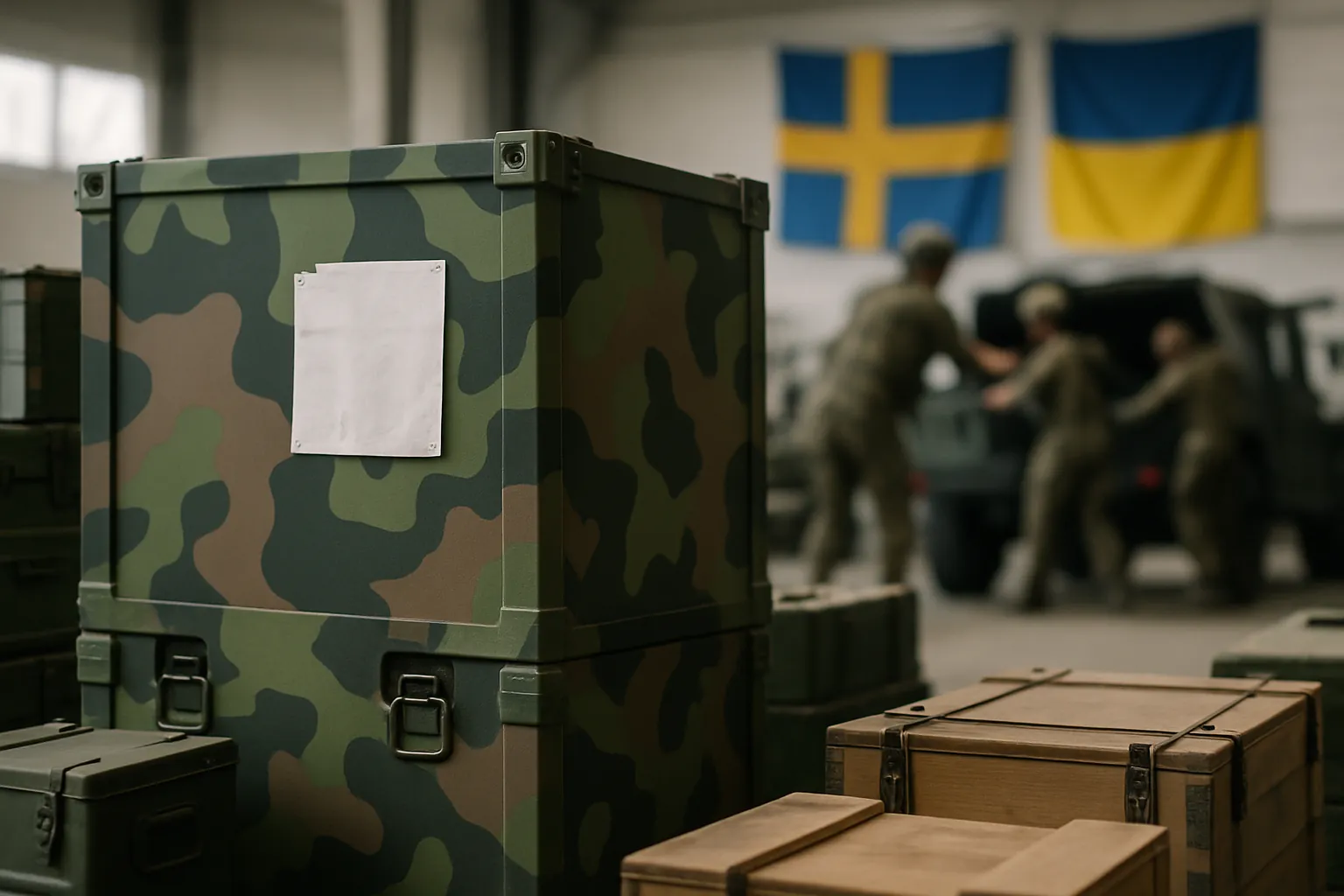
For Ukrainians sheltering in subway stations and watching the skies for missile attacks, the difference between defeat and survival often lies in the timely arrival of Western arms. This week, Swedish Prime Minister Ulf Kristersson reaffirmed his country’s unwavering pledge: Sweden will continue facilitating rapid and substantial shipments of military weapons to Ukraine. His resolve comes as the war enters a dangerous new phase, punctuated by the US promise to send seventeen Patriot systems and billions in additional military aid.
“We are united in our determination. We must act swiftly—time means lives,” Kristersson announced, as Sweden joined a growing coalition determined not to let Ukrainian defenses falter. The urgency is palpable. Just last week, the world saw chilling images from Kharkiv: families navigating shelled high-rises, first responders sifting rubble for survivors. Against the background of such devastation, Kristersson’s words struck a chord well beyond Stockholm or Brussels.
The international response has—by necessity—grown both more coordinated and substantial. The US, breaking months of congressional gridlock, is now selling $10 billion worth of advanced weaponry to NATO partners, earmarked for quick transfer to Ukraine. European nations are chipping in, not just with funds, but with new equipment, logistics, and training. Germany’s Defense Minister Boris Pistorius confirmed two additional Patriot air defense systems will be sent to Ukraine, “as soon as possible.”
Why Sweden’s Role Matters: Technology, History, and Resolve
Sweden’s contribution extends far beyond symbolic gestures. The country is now working with domestic defense giant SAAB to improve Ukraine’s creaking fleet of Soviet-era jets, planning to integrate cutting-edge Swedish avionics on Ukrainian aircraft. These upgrades promise to bolster frontline capabilities while buying precious time as Western jets slowly come online.
Sweden has also pledged over ten new barrels for its powerful Archer artillery systems, which stand out for their rapid deployment and accuracy. These enhancements are critical: Ukrainian artillery units have reported ammunition and barrel shortages in the face of Russia’s grinding offensives. According to military analyst Gustav Gressel at the European Council on Foreign Relations, “Timely artillery support can make or break defensive lines—delays cost territory and lives.”
A closer look reveals this is not Sweden’s first foray into confronting European autocracy. The nation’s fierce neutrality during the 20th century was always tempered by its support for self-determination and resistance to outside aggression. During the Cold War, Sweden quietly aided the Baltic states and dissidents behind the Iron Curtain. Now, as one of NATO’s newest full members, Sweden is moving from the sidelines into the thick of the fight.
“Time means lives. The free world must act with unity and speed, or risk letting tyranny win by default.”
— Swedish Prime Minister Ulf Kristersson
Critics of sustained military aid—often from populist and far-right circles—question whether sending billions in arms is worth the risk. Yet history is instructive: International hesitancy enabled aggression in the 1930s, as democratic powers waffled until catastrophe struck. Today’s progressive voices, recognizing the costs of inaction, urge a robust stance. “We can’t afford the mistakes of appeasement,” notes Yale historian Timothy Snyder, “Not when authoritarianism is again on the march.”
The Stakes: Unity, Pressure, and What Comes Next
So what does this new Western push mean for the trajectory of the war—and for European security as a whole? President Volodymyr Zelenskyy has repeatedly thanked Western leaders for “saving lives with air defenses” as the tempo of Russian missile strikes escalates. Patriot systems, capable of intercepting high-speed ballistic missiles, directly protect Ukraine’s power plants, rail hubs, and population centers.
This isn’t just charity or realpolitik. Supporters say it’s about upholding the liberal values that undergird European peace: sovereignty, democracy, and collective responsibility. According to a Pew Research Center survey, 67% of Swedes favor strong support for Ukraine, with majorities across Europe expressing similar sentiment. That public backing stands in stark contrast to some segments of the US Republican Party, whose isolationist rhetoric threatens to erode unity at a critical moment.
Beyond that, Sweden’s rapid response highlights a deeper truth: Democracies are strongest when acting together, guided by conviction rather than fear. By synchronizing logistics, manufacturing, and diplomatic pressure, the allied effort increases the cost of Russian escalation and signals to autocrats worldwide that aggressive expansion will not go unanswered.
Echoes of the Lend-Lease program of WWII resound as the United States and its allies once again rally to the defense of freedom’s frontier. The difference this time is the clarity of hindsight—liberal democracies know what’s at stake if Ukraine falls. As John Herbst, former US Ambassador to Ukraine, observes, “The front line in Ukraine is also the front line of the international order.”
Do Swedes and their allies face risks? Certainly. But the risks of inaction—of letting Ukraine’s allies splinter, or growing weary in the face of prolonged conflict—are far greater. Every shipment of artillery barrels, every Patriot battery, chips away at Moscow’s hope for a divided opposition. In Kristersson’s words, “Action, not rhetoric, is what saves lives and maintains peace over the long term.”
A Call to Progress, Not Passivity
Sweden’s ramped-up commitment is not only a reflection of its moral clarity, but a reminder: progressive policy is, at its heart, a willingness to defend the vulnerable and reject cynicism. The world’s democracies are being tested—not just by Russian tanks, but by the seductive pull of resignation. The lesson of the moment is clear: Solidarity is not just a slogan. It’s a material force; it’s Archer barrels and avionics, funding and food convoys, humanitarian visas and training programs—delivered when they are most needed.
The coming months will be a test of grit and vision. Sweden’s actions show that liberal values must be made real through decisive, sustained support for those under siege. As the bombs fall and civilians pray for an end to war, history will not judge the West by its intentions, but by its ability to meet crisis with courage—side by side, and in time.
