
The High Cost of Nationalism: Trump’s Tariffs Hit Home
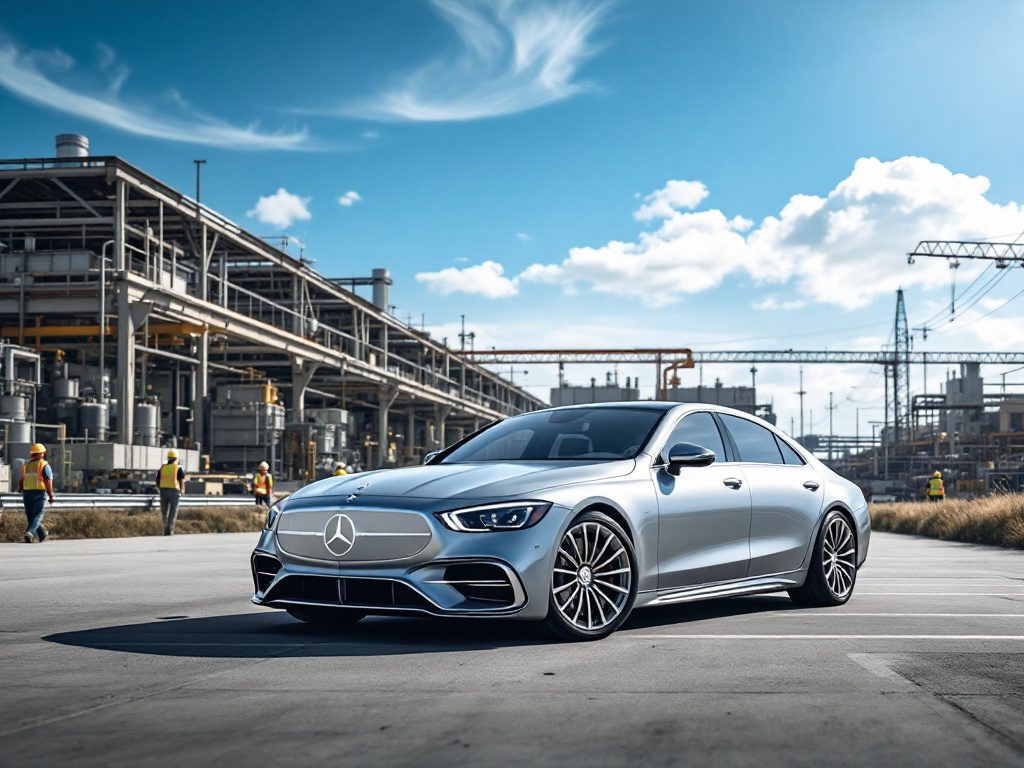
When you picture the assembly lines of Mercedes-Benz’s Alabama plant, you might imagine a smoothly humming engine of global commerce. But this serene scene has been disrupted—a result of the Trump administration’s aggressive 25% tariffs on imported vehicles and parts. Facing rising costs and market volatility, Mercedes-Benz has announced it will shift production of a new, yet-to-be-disclosed “core segment” vehicle to its Tuscaloosa, Alabama facility by 2027. The move isn’t about a corporate commitment to American workers alone. It’s a textbook example of how protectionist policies upend decades of careful supply chain engineering, forcing automakers to reevaluate and, in some cases, simply relocate the same jobs they once outsourced.
This expansion at Tuscaloosa—now an anchor for Mercedes’ global SUV exports—comes with a price. The company recently suspended financial forecasts for 2025, citing uncertainties born of “continued cost pressures” from U.S. tariffs. According to an analysis from the Center for Automotive Research, these tariffs could cost automakers an estimated $108 billion by 2025. Mercedes isn’t alone in feeling the squeeze: Hyundai, GM, and other international giants have also layered on U.S. investments after Trump’s policies upended their global strategies.
The heartbreak here lies not only in the increased sticker price for consumers, but also in the strain on innovation. History offers clear lessons for those willing to see them: President Nixon’s import surcharge in the 1970s and Reagan-era quotas did little for long-term American competitiveness but contributed to economic distortions that hurt both businesses and working families.
Localizing Production: A Silver Lining—or a Smoke Screen?
According to Mercedes-Benz North America CEO Jason Hoff, “We are getting even closer to the U.S. customer by localizing a core segment model in Tuscaloosa, strengthening our ties to the North American market where a range of Mercedes-Benz vehicles including the GLE and GLS models have their roots.” The Tuscaloosa plant, often lauded as a key export hub, churns out acclaimed models like the GLE and GLS—SUVs synonymous with luxury and versatility. The company notes that about 60% of its Alabama-made vehicles are shipped abroad, a testament to America’s place in global production even for foreign brands.
Critics of Trump’s tariffs argue that the loudest beneficiaries of these policies aren’t American workers, but corporations seeking to minimize costs while maintaining profit margins. By shifting production stateside, Mercedes avoids punitive tariffs, sidesteps unpredictable customs hurdles, and—at least on paper—panders to political narratives of “re-shoring” American manufacturing. But does this actually create more American jobs or simply rearrange the chessboard? Labor economists like MIT’s David Autor warn that, “Short-term job booms often fade, while consumers ultimately pay the price for trade restrictions.”
The heart of the matter is this: localization is as much about survival as loyalty. Riding the shifting tides of global trade, automakers are forced into contortions that upend the actual progress toward an equitable, clean, and future-focused transportation economy. For those advocating for progressive values, this is the moment to scrutinize corporate messaging—and to ask what is truly gained by retrograde trade wars dressed up as economic populism.
“Suspending our financial forecasts for 2025 was not a decision taken lightly. Uncertainty surrounding U.S. tariffs not only clouds the market, it threatens our ability to invest confidently in technological innovation and jobs for the future.” — Statement from a Mercedes-Benz executive (via press release)
Real investment in America’s industrial future means more than adding a badge to the factory gates. The heart of economic competitiveness today lies in sustainable innovation: electrification, clean energy, and a highly skilled workforce. Mercedes-Benz has pumped $1.2 billion into electric vehicle and battery production at its Bibb County, Alabama facility since 2017, indicating progress—but only as far as political winds allow.
Who Wins? The Consumers—and Workers—Caught in the Crossfire
Behind headlines touting new jobs and American-made vehicles, a more complicated reality lurks. Locally increased manufacturing rarely offsets the broader economic pain tariffs inflict.
U.S. consumers face steeper prices not only on imported vehicles, but also on models now produced domestically, as manufacturers pass along higher production and supply chain costs. A recent Pew Research study confirms what many working families already know in their monthly budgets: protectionist tariffs tend to raise average consumer costs by hundreds—sometimes thousands—of dollars each year.
If Trump’s trade policy sought to revive American industry, the result is a patchwork of short-term wins and long-term costs. Mercedes’ pivot to Tuscaloosa is a corporate act of self-preservation, not altruistic investment in American labor. Even industry analysts at Bloomberg point out that while new lines may offer temporary job upticks, the broader pressures of automation, international competition, and supply chain disruptions continue to erode wage growth and job security in manufacturing—an issue that players on both sides of the aisle too often ignore when touting “re-shoring” victories.
Progressives know that a forward-thinking economic agenda means more than fighting yesterday’s trade wars. It means doubling down on clean energy, investing in the science of tomorrow, and making strategic bets on workforce retraining. Short-term “wins” underpinned by nationalist rhetoric all too often leave communities—and the environment—worse off in the end. As the U.S. stares down trade rifts with Europe and China, one has to wonder: what are we really gaining by inciting self-made crises, rather than leading the world toward innovation and shared prosperity?
