
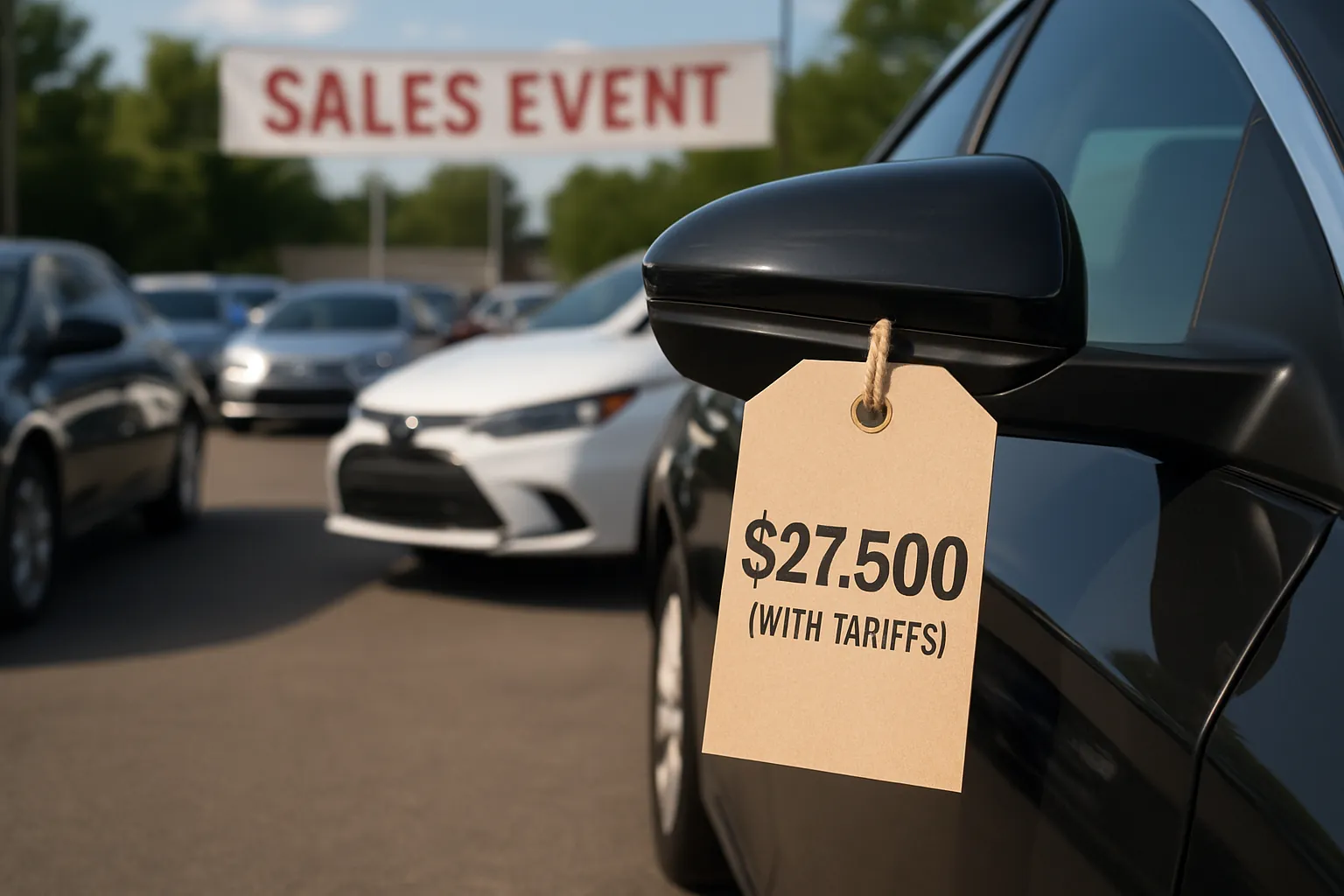
The Tariff Ripple: Why America’s Car Prices Jumped
Walk into a dealership this spring and you’ll feel it in your wallet: U.S. new-vehicle prices surged an average of 2.5% from March to April—a leap that’s more than double the typical seasonal jump, and the sharpest one-month increase since the height of pandemic uncertainty in April 2020. The driving force? The long shadow cast by the Trump administration’s 25% tariffs on imported vehicles from key automotive trading partners like Mexico and Canada. What was once a high-stakes policy debate in Washington is now an immediate reality for American families scouring the lot for an affordable ride.
Consider this: according to Cox Automotive’s Kelley Blue Book data, the average price consumers paid for a new car soared to historic heights, with discounts and promotions only muting some of the impact. Strikingly, automakers have generally resisted hiking sticker prices outright, but hidden under the surface, these surcharges—born of global tensions and political gambits—are flowing straight into the final purchase price. Ford, for instance, raised transaction prices on several models, including the Mustang Mach-E and Maverick, with some buyers facing up to $2,000 more than just a month earlier. It’s a stark illustration of how protectionist policies, though politically popular in some quarters, so often miss their mark with working Americans.
Underlying this price shock is a web of anticipation and anxiety: car buyers, fearing steeper hikes ahead, rushed into dealerships, fueling demand and amplifying short-term price increases. It’s a classic case of self-fulfilling prophecy in the marketplace, shaped by aggressive government tariffs intended to bolster domestic manufacturing but producing pain at the point of sale instead.
Winners, Losers, and Surprises on the Lot
A closer look reveals that these headline-grabbing price increases belie a more complex picture. Not every vehicle or brand is on a one-way ticket to costlier commutes. Compact crossover SUVs—the single largest vehicle segment by sales in the U.S.—actually saw their average transaction price drop 0.2% year-over-year, according to Kelley Blue Book. Beyond that, several mainstream brands including Ford (outside of select models), Chrysler, Ram, Hyundai, Volkswagen, and Mitsubishi saw tangible price decreases in April, confounding expectations that tariffs would universally push prices skyward.
Even in the luxury space, there are shakeups. Jaguar, battered by global supply chain woes and shifting consumer tastes, experienced an eyebrow-raising 11.1% plunge in average prices compared to the year prior.
What accounts for these pockets of resilience or even regression in price? Automakers, facing the twin pressures of import costs and wary customers, have rolled out a blitz of promotional offers and incentives. Major players like Hyundai, Ford, and Stellantis have lobbed cash-back deals and low-interest financing to sustain sales momentum—even as their own cost structures grow more precarious. In a market where supply traditionally dictates price, this wave of manufacturer generosity offers a temporary shield for consumers, but it’s no panacea to the underlying inflationary trend.
Yet even as automakers adapt, the market’s most dynamic corner tells another story. Average new electric vehicle (EV) prices bucked the relief seen in other categories, climbing 3.7% year-over-year to $59,255. EV sales slumped 6% from March to April, illustrating the double-edged sword of advancing technology and policy uncertainty. As the EV market attempts to gain traction, policy whiplash on tariffs and EV incentives leaves both buyers and dealers with unanswered questions about the future trajectory of clean transportation.
“Protectionism may win the soundbite battle, but it’s ordinary Americans who lose the grocery-money war when new-car prices surge on political command.”
– Dr. Naomi Franklin, Brookings Institution trade policy analyst
Why Prices May Climb Even Higher: A Cautionary Outlook
The story doesn’t end with April’s numbers. According to Cox Automotive, average dealer inventory in the U.S. fell below 2.6 million vehicles last month—the lowest since the post-pandemic supply chain crunch. As import deliveries dry up and sales pick up, pent-up demand threatens to stretch thinning supplies, setting the stage for future price escalations. Dealers and consumers alike are bracing for a summer of possible sticker shock, especially if global trade tensions persist or intensify.
Historical precedents provide a sobering frame. When tariffs on steel and aluminum went into effect during the Trump administration, American manufacturers across sectors—from washers to whiskey—passed the buck to buyers. The auto sector, deep in the global supply chain, is particularly sensitive: a 2018 Peterson Institute study calculated that a blanket 25% tariff on autos would add an estimated $1,400 to the price of a typical new car. Today, we’re seeing variations of that projection play out in real time, with multifaceted impacts across brands, models, and buyers.
Pew Research polling underscores public ambivalence about tariffs: many Americans endorse the idea of supporting domestic industry, but express frustration when they face real-world cost increases. Meanwhile, progressive policy experts caution that tariffs do little to address deeper competitiveness challenges—like insufficient investment in workforce training, innovation, and sustainable infrastructure. The result? A marketplace that’s more volatile and less affordable, stressing lower and middle-income families most of all.
Is this the new normal? The American car market stands at a crossroads, with consumers squeezed, automakers improvising, and the threat of political escalation ever-looming. For advocates of equality and economic justice, the lesson is both urgent and clear: real progress for U.S. workers and families arrives not through blunt-force trade barriers, but sustained investment, fair wages, and smart, forward-looking industrial policy.
