
Small Businesses in the Crosshairs: The Real Cost of Tariffs
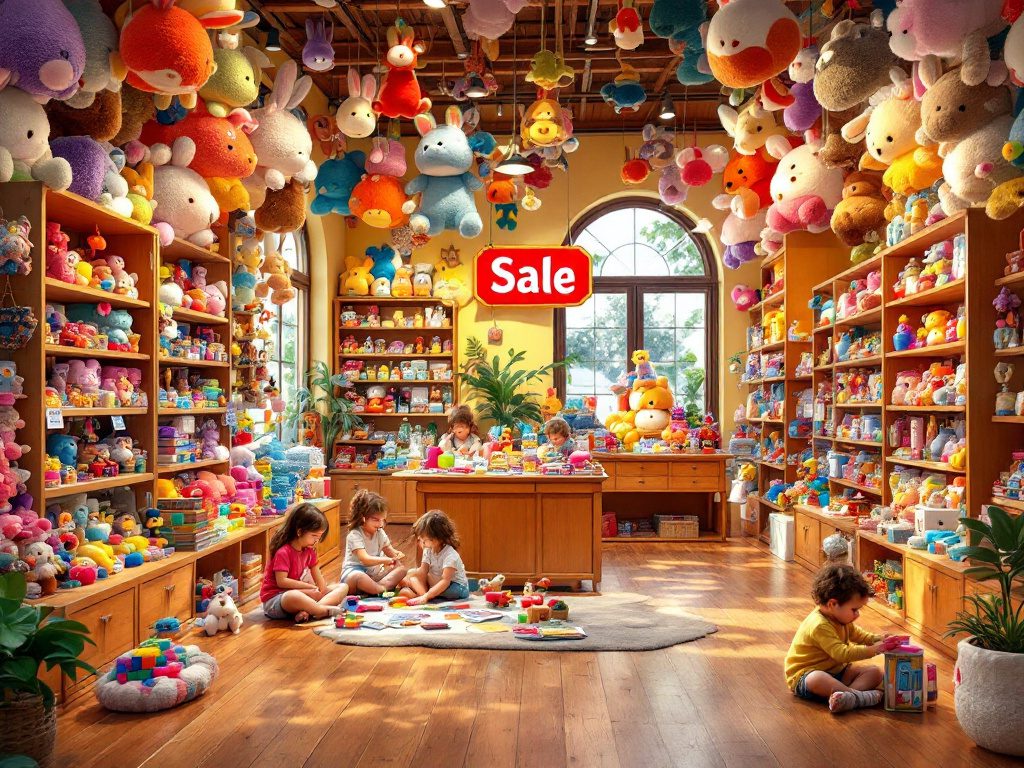
Across store aisles filled with colorful puzzles, plush animals, and miniature locomotives, a quiet storm is brewing. Dan Weiss, owner of Harper and Skyler’s Toys and Sweets in Charlotte, North Carolina, is one of many U.S. shopkeepers facing a grim arithmetic: a proposed 145% tariff on Chinese toy imports could upend not just their holiday sales, but their very survival. Nearly 80% of toys sold in America are made in China, with many specialty store owners reporting even higher proportions—some as high as 95% of their stock.
There’s a reason for that dominance. Manufacturing infrastructure for toys—especially of the kind that pass rigorous U.S. safety certifications—has been centralized in China for decades. It’s not just a matter of flipping a switch or dialing up a domestic supplier. As Weiss explains, “If the tariffs hit, it’s not just an extra penny here or there. Some companies are talking about a 60% surcharge on popular items even before the official tariffs kick in.” For beloved brands like Melissa and Doug, those surcharges are trickling into invoices already, forcing owners to weigh whether to shrink their orders, pass costs to customers, or eat the losses themselves.
What does this look like in reality? A parent searching for a birthday gift could soon find little choice beyond sticker shock or empty shelves. Small businesses have always been adept at absorbing small disruptions and shielding their communities from price spikes. But Trump’s tariffs are more than a bump in the road—they’re a tsunami threatening the storefronts that define main streets across the country.
Legal Resistance: Boutique Retailers Take on a Presidential Power Play
This is not just a business story; it’s a constitutional and ethical tug-of-war. Mischief Toy Store, a cheerful mainstay for St. Paul families, is among more than a dozen retailers joining forces for a lawsuit in the U.S. Court of International Trade. Their argument? The Trump administration’s drastic import duties are both unlawful and a misused expansion of emergency powers under the International Emergency Economic Powers Act (IEEPA).
The lawsuit, backed by the Liberty Justice Center—a group as idiosyncratic as its cause, with libertarian roots teaming up with progressive business owners—challenges the whole premise. “These tariffs are not a response to an ‘unusual and extraordinary threat’ as the law requires. They’re a political bludgeon,” says Dan Marshall, co-owner of Mischief Toy Store.
“We’re not afraid of Trump. But we are afraid for the future of neighborhood businesses like ours that have built their lives around serving local families. A 145% tariff isn’t just steep—it’s existential.”
Legal scholars agree the case raises serious questions. Professor Adam Smith, trade law specialist at Georgetown University, notes, “IEEPA was never meant to give carte blanche for economic experimentation. If the Court finds these tariffs exceed presidential authority, we could see a new limit on executive overreach.” Echoes of past executive overextensions abound—in 1930, the Smoot-Hawley tariffs deepened the Great Depression’s chokehold, a cautionary tale often cited by economists warning of protectionist fever run amok.
Unintended Consequences: Prices, Uncertainty, and the Main Street Squeeze
For affected store owners, immediate impacts are already being felt, regardless of the lawsuit’s outcome. As tariffs loom, distributors enact steep surcharges, and some products become unavailable altogether. Weiss and his peers say they’re forced to make wrenching decisions: Should they absorb the extra costs—eroding already thin margins—or risk losing customers with higher prices? For many, there is no good answer.
A closer look reveals government messaging rarely matches marketplace chaos. White House statements oscillate between bravado (“we’ll win the trade war”) and vague promises of relief or exceptions. No wonder retailers feel whiplash. Jane Wu of the American Specialty Toy Retailing Association puts it bluntly: “Our members spend months planning orders. They can’t pivot overnight because someone in D.C. wants a negotiating chip.”
Beyond that, experts stress that reshoring toy production is a pipe dream in the short term. “Even if American manufacturers wanted to ramp up tomorrow, supply chains, molds, factories, and safety testing take years and millions in capital investment,” says Harvard economist Alan Trainer. “You don’t reboot an industry by fiat.”
History sides with this skepticism. After tariffs on washing machines and steel in recent years, American consumers faced higher prices, while promised job surges largely failed to materialize. According to a recent Pew Research study, 57% of Americans reported paying more for goods post-tariff, with low-income families hit hardest.
At the street level, the uncertainty is a business-killer in itself. Store owners are left navigating a bewildering landscape: Will there be waivers? Will the tariffs stick? Will politics intervene before Christmas inventory arrives? The result is paralysis and a sense of betrayal among neighborhood businesses that once believed they were the backbone of the American dream.
Tilted Playing Fields, Fading Choices
Retailers like Weiss and Marshall aren’t lobbying for special treatment; they’re asking for predictability, fairness, and recognition of economic reality. Instead, they find their businesses used as pawns in a geopolitical chess match. As lawsuits mount and supply chains seize up, the real casualty is community. Every shuttered storefront is more than lost sales—it’s the erasure of culture, diversity, and the local ties that bind multi-generational neighborhoods together.
Policies that claim to “put America first” often wind up putting its families and small businesses last. The aggressive tariff regime is a blunt instrument wielded with little consideration for those without multinational war chests. It’s a moment when Americans who value diversity, fairness, and community-rooted prosperity must ask whether this is the path they want for their economy—or whether it’s time to push back against policies that hollow out the fabric of Main Street.
