
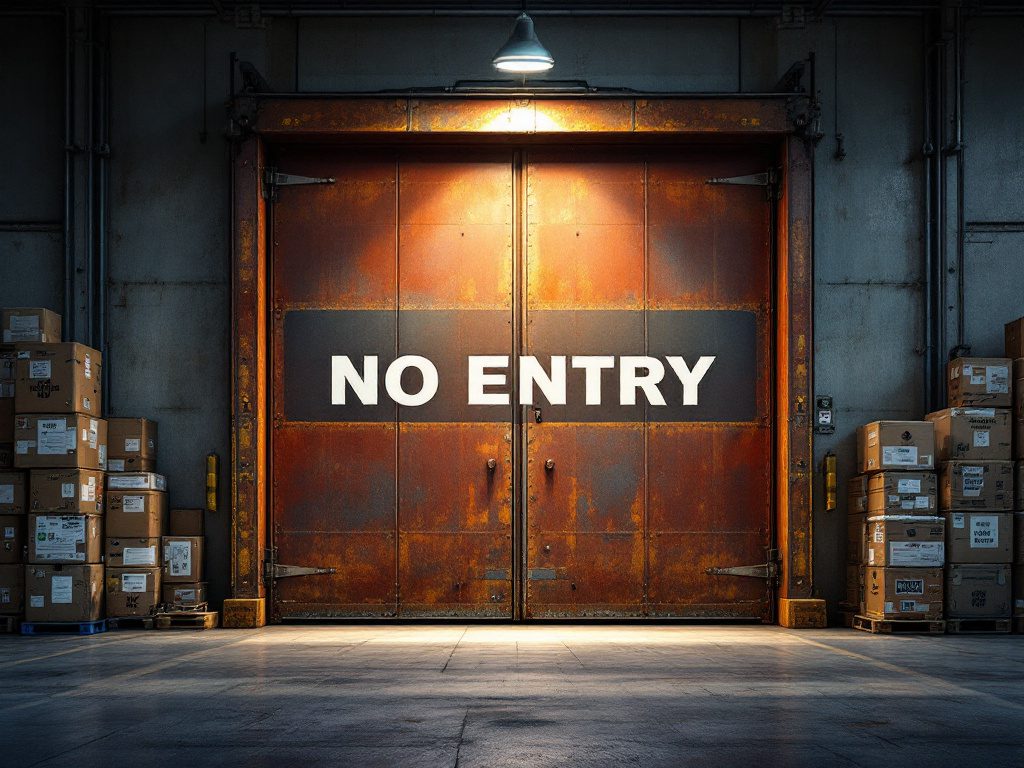
A Sudden End to the De Minimis Era
Four million parcels land daily on American soil from China and Hong Kong, each a small testament to the age of global e-commerce. For years, these shipments—a dazzling array of gadgets, fast fashion, trinkets, and sometimes more illicit goods—sailed past U.S. Customs thanks to a quietly crucial legal loophole: the “de minimis” exemption. Packages valued under $800 entered untaxed and largely uninspected, fueling meteoric growth for platforms like Amazon, Temu, and Shein. As of May 2, 2025, that window has slammed shut. The Trump administration has enacted one of the most dramatic trade policy reversals in recent memory, ending the de minimis exemption for Chinese and Hong Kong-sourced goods and underscoring its confrontational, often chaotic approach to international commerce.
This seismic shift is more than a headline—it’s a daily reality check for American consumers, retailers, and customs officials alike. Airlines, ocean cargo companies, and express shippers such as FedEx and UPS must now collect stiff new duties before packages ever leave Asia: for postal shipments, 120% of value or $100 per item (rising to $200 after June); for express freighters, a hefty 145% tariff plus any legacy duties. Smartphones and a smattering of items escape the dragnet—most do not.
What drove this hard brake? Officially, White House talking points point to a threefold mission: plug tax revenue losses, rebalance a trade playing field the administration claims is tilted against domestic businesses, and stem a tide of illicit synthetic opioids and fentanyl shipped in small parcels. According to the Federal Register notice published April 24, 2025, these enforcement actions follow the blueprint of Executive Order 14195: every single shipment tied even remotely to the synthetic opioid supply chain must now be filed as a formal entry, subject to full customs paperwork and scrutiny.
The Ripple Effects: Retail, Regulation, and the Opioid Crisis
One undeniable effect is the disruption of business models built for—and by—the digital revolution. Giants like Shein and Temu thrived in part because they could ship thousands of low-priced items individually to American doorsteps with neither duty nor oversight. That era has ended, forcing a dramatic rethink of logistics and pricing. Small entrepreneurs, too, often used drop-shipping from China to fuel Etsy boutiques or niche marketplaces. Now, the burden of paperwork, pre-export duty collection, and higher costs could prove stifling.
A closer look reveals major operational changes for shipping carriers and customs officials. U.S. Customs and Border Protection has suspended key regulatory exceptions and is bracing for a surge in formal processing. No longer can CBP prepare informal mail entries for low-value goods from China or Hong Kong—every item, regardless of value, must clear new hurdles. “We process four million of these shipments daily,” a CBP spokesperson told Reuters, “but adapting to full inspection and duty collection will be a tall order.”
Supporters of the crackdown—including many in the law enforcement and public health communities—point to its connection to the opioid crisis. With fentanyl and its chemical components often smuggled in small parcels, stricter screening has been seen as a necessary, if overdue, tool. The Biden administration tried to walk a finer line, balancing enforcement with the realities of e-commerce, but mounting bipartisan pressure and the escalating opioid tragedy made further delay untenable. U.S. Customs’ move to suspend long-standing mail processing rules for Chinese origin goods represents extraordinary powers rarely invoked outside national emergencies.
“Ending the de minimis exemption for Chinese imports is a blunt instrument in the fight for trade fairness and opioid control—but like any blunt force, it risks collateral damage for millions of consumers and small businesses who have come to depend on affordable, direct-from-factory goods. The question is not whether the landscape has shifted, but whether ordinary Americans will have a say in shaping its new contours.”
Selective Fairness or Self-Inflicted Wound?
The arguments in favor of abolishing de minimis are not without merit—progressive economists have long warned of the loophole’s distortionary impact, undermining local businesses and hollowing out federal revenue. Data from a Pew Research Center report highlight how traditional retailers, paying tariffs and juggling regulatory compliance, have found themselves squeezed by competitors shipping duty-free merchandise in bulk. In theory, a level playing field should strengthen American small business while addressing the opioid smuggling problem at its source.
Yet, there is little comfort in theory when reality bites. Progressives and consumer advocates worry that the administration’s approach may produce an uneven, possibly regressive outcome. For families relying on inexpensive school supplies, clothing, or kitchen gadgets delivered direct from China, higher prices or the outright withdrawal of products from the U.S. market looms large. Low-income households, already bearing the brunt of inflation and stagnating wages, may now face a new squeeze. “These tariffs are unlikely to bring back lost manufacturing jobs, but they will hit working-class shoppers hard,” notes Harvard economist Jane Dunn. “Trade justice must mean more than mere border taxes—it’s about investing in our people and communities, not lashing out at our trading partners.”
Global ripples are already visible. European Union customs officials plan to end their €150 de minimis exemption in 2028, citing similar pressures. The move has sent shockwaves through markets beyond clothing and gadgets. Even the cryptocurrency world is reacting: blockchain supply chain tokens like VeChain saw double-digit trading surges amid speculation that heightened regulatory scrutiny could drive demand for transparent, tamperproof shipping records and decentralized verification mechanisms. For now, bitcoin and major cryptocurrencies seem little moved, but analysts say the era of the wild-west global supply chain is drawing to a rocky close.
History is replete with examples of well-intended but poorly executed trade barriers backfiring: the infamous Smoot-Hawley Tariff of 1930 helped deepen the Great Depression, while more recent “America First” tariffs have stoked trade wars, raised prices, and invited retaliatory measures. Will this crackdown be different? The risk, experts warn, is that an abrupt policy shift—absent real investment in domestic manufacturing and robust consumer protections—will serve as little more than window dressing.
Moving Forward: A Call for Thoughtful Trade Policy
America’s effort to stem the opioid crisis and reclaim revenue lost to cross-border e-commerce loopholes cannot be faulted for ambition. But ambition is not a substitute for strategy. If our elected leaders genuinely seek to balance national security, trade fairness, and consumer well-being, bold follow-through is essential—not just with customs crackdowns and tariffs, but with policies that prioritize social justice, innovation, and opportunity for ordinary families and small businesses.
Will Congress step up with targeted support for low-income families hit by higher prices on everyday goods? Could new investments in American entrepreneurship and workforce development make trade enforcement not a zero-sum game but a launchpad for shared prosperity? Across the aisle, the opportunity exists for smart, humane trade policy that doesn’t ask working Americans to bear all the costs of geopolitical strategy. History—and voters—will judge whether this moment marks a renaissance of fairness or another chapter in the politics of blame and exclusion.
