
The White House Rollout: Diplomacy or Deal-Making?
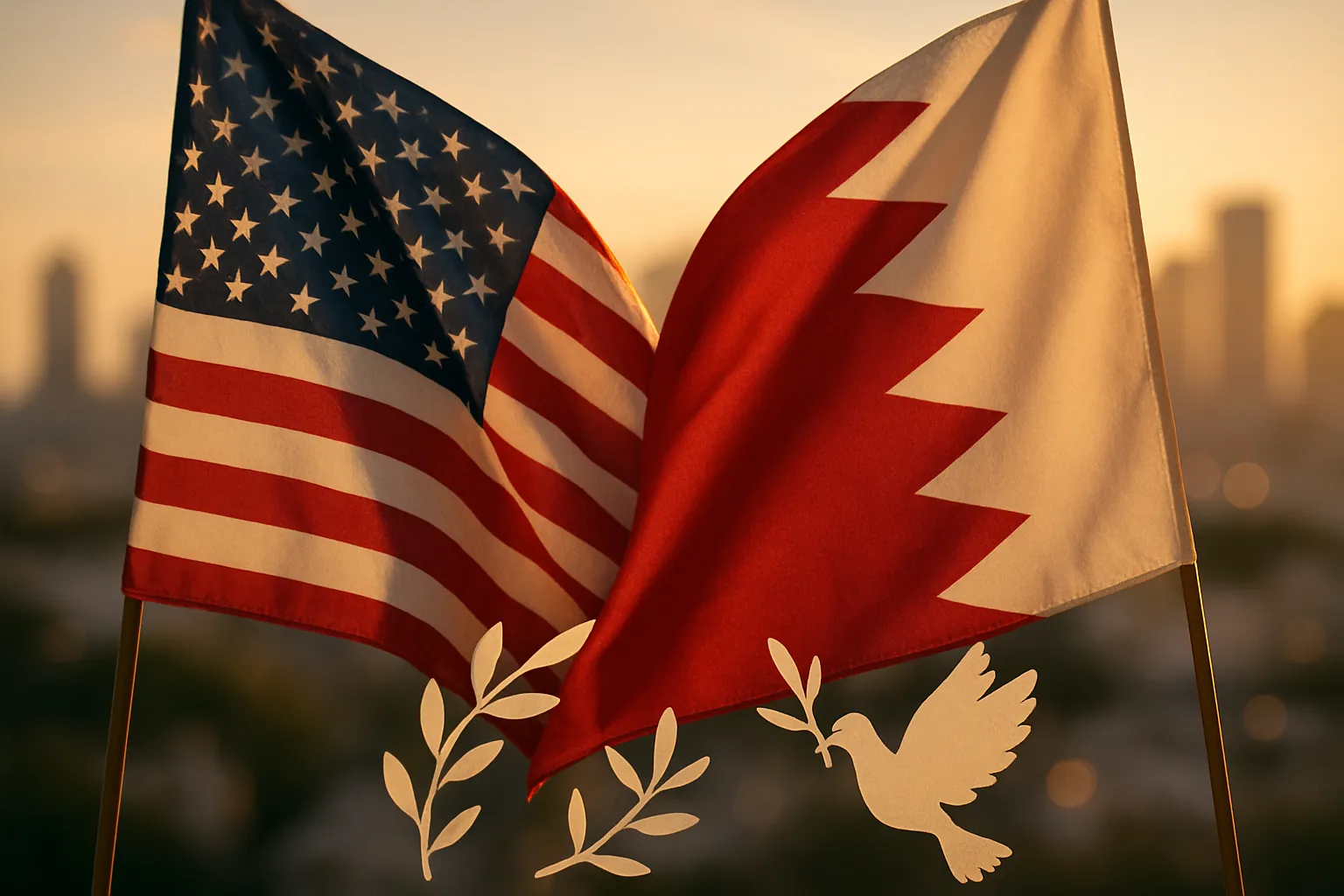
The spectacle surrounding President Donald Trump’s welcome of Bahrain’s Crown Prince Salman bin Hamad Al Khalifa at the White House played out with all the trappings of statesmanship—flags, handshakes, buoyant photo-ops. Beneath the surface, however, the meeting was about far more than optics: the two countries had just inked a memorandum of understanding laying the groundwork for U.S. nuclear technology exports to the small Gulf kingdom. Supporters heralded it as a step forward for global energy security, but the timing and ambition of this deal raise acutely difficult questions about regional stability, non-proliferation, and American priorities under the Trump administration.
“America is committed to supporting peaceful nuclear cooperation that never threatens regional security,” declared Secretary of State Marco Rubio—whose new-found involvement in high-level energy diplomacy has drawn its own curious glances from policy veterans. The deal’s ultimate implementation hinges on what’s called a “123 agreement,” a legal framework ensuring any nuclear exports remain strictly civilian in nature. Yet as nuclear energy politics have historically shown, such agreements are only as strong as the international trust underpinning them—a resource in scarce supply across the Middle East.
Bahrain’s motivation is hardly mysterious. As one of Washington’s closest Gulf partners and host to the U.S. Navy’s Fifth Fleet, Bahrain seeks economic diversification, energy infrastructure modernization, and international stature. The Trump administration, meanwhile, increasingly sought to leverage nuclear deals as tools for cementing alliances, expanding American business interests, and bolstering an agenda it claims is about security and jobs.
A Deal, But at What Cost?
A closer look reveals why this seemingly straightforward agreement might represent more risk than reward—especially when driven by a White House eager for quick wins. Civil nuclear cooperation agreements can spur economic growth and technological exchange, but they carry built-in dangers. History is littered with once-peaceful programs that drifted into murkier waters: from India’s covert use of nuclear knowledge to fuel its weapons program in the 1970s, to concerns over Iran’s ambiguous development just across the Persian Gulf.
According to Harvard’s Belfer Center, civilian nuclear agreements often become political currency allowing regimes to “burnish international legitimacy”—even when democratic principles are thin on the ground. This is particularly resonant in Bahrain, a monarchy dogged by human rights concerns and periodic outbursts of internal dissent. Any major technology transfer with such a partner demands public scrutiny, especially when the agreement’s transparency and enforceability remain untested.
“The risks of regional nuclear proliferation cannot be dismissed simply by invoking export controls. Technology shared in good faith can be repurposed under pressure, destabilizing the volatile Gulf.”
— Dr. Lina Shihabi, International Nuclear Security Scholar, American University
Trump’s approach fits a broader pattern of transactional foreign policy—one where tangible deals are prized over durable, values-driven alliances. In the weeks before the Bahrain meeting, Trump lashed out at critics on Truth Social, even targeting his own supporters he accused of believing the “Jeffrey Epstein Hoax.” This combustive style has often deflected attention from substantive policy review. As a result, the national conversation around the Bahrain nuclear pact risks being overshadowed by the president’s social media outrages and other headline-grabbing flare-ups.
The Bigger Picture: Regional Ripples and Reputational Stakes
Beyond the benefits and dangers of nuclear cooperation itself lies a critical reality: the Middle East is at an inflection point. Just as the ink was drying on the Bahrain agreement, Secretary Rubio was consumed by another urgent file—Israel’s latest airstrikes in Damascus and the ongoing push for a ceasefire. Linking American nuclear exports to regional stability remains fraught, especially as rival nations monitor each other’s energy and military ambitions like hawks.
This arrangement may indeed generate opportunity for U.S. companies and create diplomatic leverage, but at what cost to democratic principles and long-term security? Washington’s historic approach, from Carter’s push for non-proliferation through Obama’s nuclear deal with Iran, has acknowledged that transparency and trust must be foundational. The Trump administration’s calculated embrace of Gulf monarchies—often at arm’s length from genuine accountability—complicates that legacy.
Harvard nuclear policy expert Dr. Elizabeth Ferris puts it bluntly: “Exporting nuclear technology—even under the strictest civilian-use standards—demands a level of governance and oversight that simply isn’t guaranteed in large parts of the Gulf. Without robust checks and genuine transparency, the U.S. risks feeding instability it claims to oppose.” The recent nuclear deal thus becomes not just a test of Bahrain’s intentions, but of America’s willingness to put its democratic values into practice, even when inconvenient.
History suggests that when the U.S. stakes its reputation on short-term alliances with autocratic partners, the consequences often come home to roost. Bahrain’s citizens, much like those in neighboring states, will ultimately ask whether their leaders’ quest for nuclear prestige comes at the expense of civil society, equity, and peace. American voters, for their part, deserve clarity, honesty, and real debate on whether White House diplomacy is truly advancing the public good—or simply subsidizing a risky status quo behind a veil of ceremonial partnership.
