
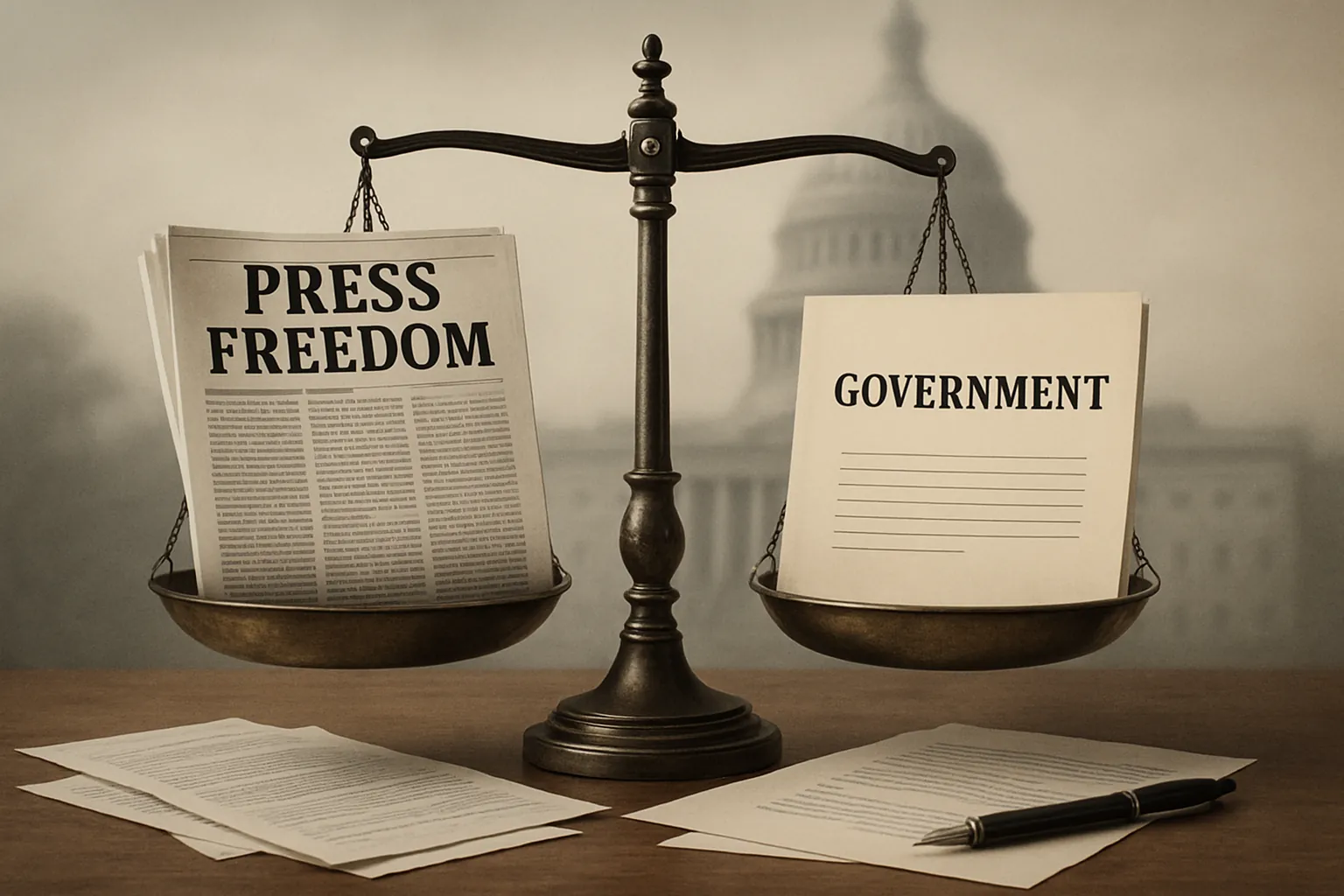
The President Versus the Press: License Threats and Chilling Effects
Late into a Saturday night, Donald Trump—never one to temper his use of Truth Social—typed out a demand that even by his standards raised eyebrows across political and media landscapes alike. He railed against NBC and ABC, insisting the networks act as “pawns” for the Democratic Party and citing what he claims is a 28% drop in NBC’s viewership. These claims followed a pattern: an attack not just on the press’s credibility, but on its very right to broadcast—something no sitting president has seriously threatened since the dawn of American television news.
FCC threat rhetoric, paired with presidential bombast, now forms a potent cocktail. Trump’s comments directed at NBC’s parent company, Comcast (“Concast,” in his mocked-up spelling), appeared to have no basis in fact—university media studies confirm NBC Nightly News was actually the only evening newscast to post audience gains in the coveted 25-54 demographic in early 2025. But as history teaches, the power of presidential speech lies as much in what audiences are persuaded to believe as in the provable facts.
Ronald Reagan made media pressure a cornerstone of his culture wars, but even he never argued for outright license revocation. The closest parallel may be Richard Nixon, who considered using the regulatory power of the FCC for partisan gain but ultimately pulled back—a mark of restraint increasingly rare in the present moment. Today, such checks appear looser. FCC Chairman Brendan Carr, a Trump appointee, has openly supported reviewing network affiliates’ licenses, amplifying conservative complaints about “liberal media” bias.
Political Power Versus the First Amendment: What’s Really at Stake?
A closer look reveals uncomfortable truths about the current trajectory of American political discourse. Fears of eroding First Amendment protections are not hyperbole. “When the president uses his authority to threaten media licenses, it chills not just those networks, but the spirit of press freedom itself,” explains Trevor Timm, executive director of the Freedom of the Press Foundation. Previous attempts to penalize critical coverage—like Trump’s campaign to “open up libel laws” and his branding of journalists as “enemies of the people”—have already undermined trust in independent media. Now, with the added muscle of FCC allies, threats to license become far less theoretical.
This is not just pundit hand-wringing. PEN America has documented a sharp uptick in government threats and legal harassment against journalists in recent years, as has Reporters Committee for Freedom of the Press. The trend is international: According to Freedom House, democracies that allow government punishment of inconvenient news soon find themselves drifting toward authoritarianism. Consider Hungary and Turkey, where ruling parties gradually eased press freedoms into near-obsolescence—starting always with doubts about bias, then moving to regulatory penalties.
“The core danger isn’t that NBC or ABC will lose their licenses. It’s that Americans become used to leaders demanding it—and increasingly indifferent if the threats are carried out.”
Trump’s latest rhetoric lands with peculiar weight because, unlike his past as a bombastic reality television personality, he has already moved the Overton window. Before 2017, such threats would have been dismissed as undemocratic. Now, observers note the ease with which calls for license revocation enter the mainstream, often amplified by right-leaning media echo chambers.
Authoritarian Impulses and the Battle for Truth
Beyond that, this escalated confrontation illuminates a larger struggle. Attacks on the free press mirror authoritarian playbooks the world over, and the American right’s fixation with media licensing is no accident. Historic enemies—from Joseph McCarthy blacklisting journalists to Nixon’s plotting against the Washington Post—have always started by sowing distrust, then moving to clampdowns. What’s different now is the attempt to paint every criticism as partisan, every investigation as a personal vendetta.
Asked about plausible next steps, Harvard constitutional scholar Laurence Tribe is blunt: “It’s not just talk. The FCC’s legal authority doesn’t cover content-based license punishment, but that doesn’t prevent the executive branch from pushing networks, or chilling them, by other means—regulatory harassment, licensing delays, DOJ investigations.” He points to recent regulatory pressures, like the scrutiny placed on the Skydance-Paramount merger, as warning signs of political interference targeting newsrooms seen as insufficiently supportive.
Critics like Trump frequently decry an alleged lack of fairness in the media. Yet when confronted with data challenging their assertions—like NBC’s rising ratings under Tom Llamas or the nonpartisan record of public broadcasters like PBS—they dismiss the numbers without counter-evidence. The fixation becomes less about holding media accountable, and more about punishing dissent.
The very fabric of American democracy—its commitment to truth, accountability, and a vibrant marketplace of ideas—relies on a free press. Efforts to undermine that freedom imperil the shared public square on which all other freedoms depend. As press advocates note, even viewers who never tune in to NBC or ABC have a stake in resisting such intimidation. Because once those voices are silenced, it rarely stops there.
