
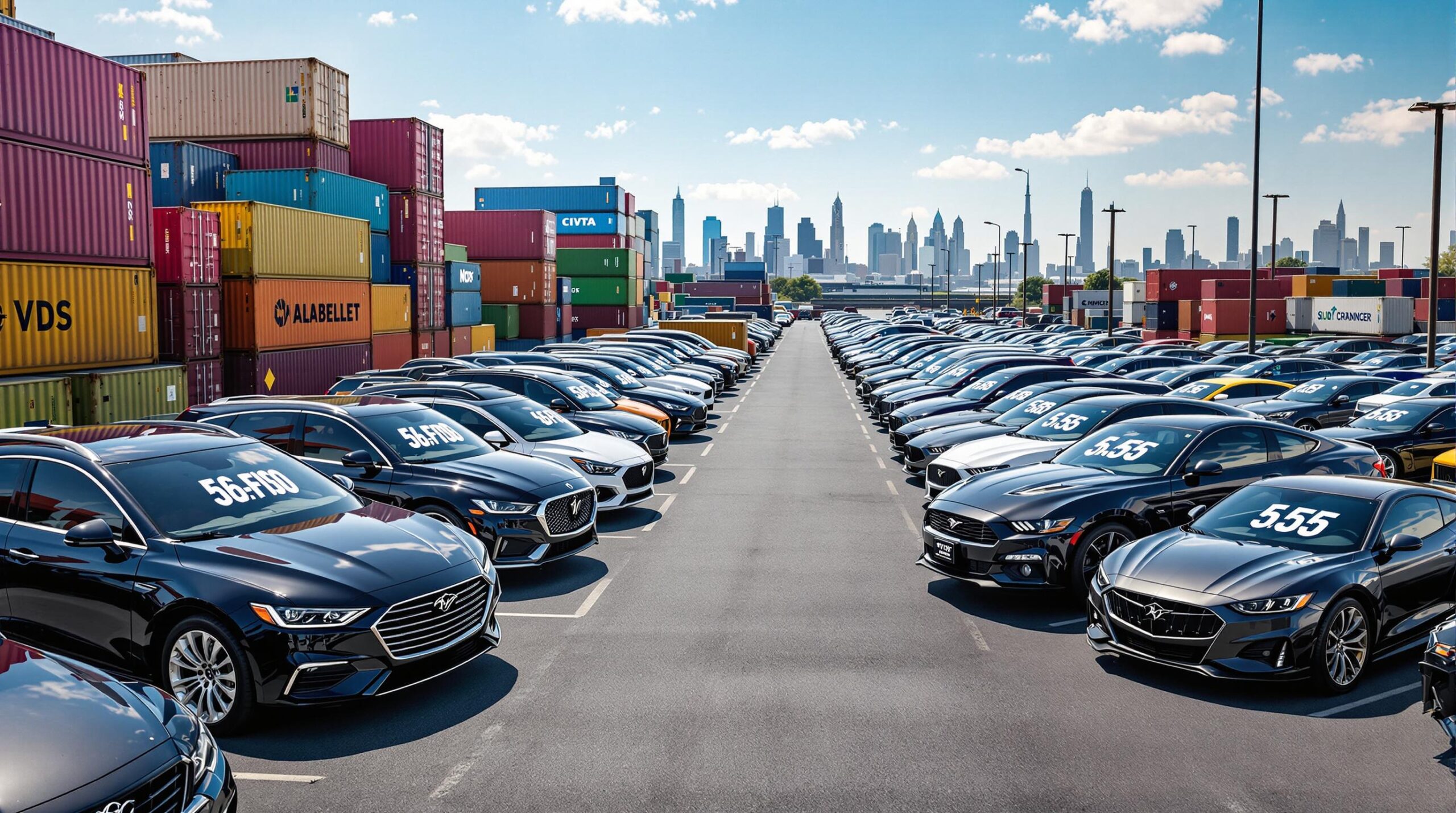
President Donald Trump recently stirred controversy once again, boldly declaring that he “couldn’t care less” about potential car price hikes due to his administration’s stringent tariffs on foreign-made autos. In an NBC News interview, Trump remained unfazed by criticisms that these tariffs inevitably burden American consumers, suggesting instead that higher prices could incentivize a shift toward domestically produced vehicles.
Trade Policy Motivations and Market Realities
Trump’s steadfast stance on tariffs underscores his dedication to what he believes will rekindle American manufacturing supremacy. He openly expressed, “I hope they raise their prices, because if they do, people are gonna buy American-made cars. We have plenty.” But is such a notion grounded in economic reality? History tells us tariffs often cause collateral damage. During the Bush administration, steel tariffs intended to bolster domestic production led instead to job losses across related industries, countervailing the benefits for U.S. steel producers.
Despite the president’s optimistic rhetoric, experts warn that Trump’s tariffs may echo past missteps. They voice concerns that a resultant surge in production costs for American manufacturers dependent on imported parts could cost more jobs than they preserve. This scenario was evident in recent trade battles, particularly with China, where both consumers and producers paid dearly in higher prices and disrupted supply chains.
Economic Risks Dismissed by Trump
Even amid prevalent anxieties surrounding global economic stability and ominous warnings from economists, President Trump has showcased confidence that borders on dismissiveness. Consumer confidence and stock market stability, critical indicators of economic health, have seen heightened volatility under his administration’s unpredictable trade policies. Yet Trump insists the country remains firmly on the right economic track, emphasizing polling data that conveys public optimism despite fluctuating markets.
However, we need to question whether consumer confidence polls fully encapsulate the realities confronted by everyday Americans. Are those polled fully informed about potential prices rising significantly at dealerships or supermarkets due to these protectionist policies? Recent data highlights that tariffs increase costs for U.S. businesses, often trickling down to consumer prices, reaffirming concerns that working-class Americans could bear the brunt of Trump’s economic nationalism.
Trump’s indifference to market volatility threatens to overlook real economic hardships faced by average Americans.
Diplomatic Strains and Negotiations Ahead
Trump’s controversial remarks come amid diplomatic tensions worldwide. International criticism has intensified, particularly among allied nations adjusting to a protectionist America under Trump. His administration suggested openness to negotiations on tariffs, but only if counterparts offer “something of great value.” This transactional approach to trade diplomacy may exacerbate tensions rather than foster mutually beneficial agreements, potentially isolating the U.S. from crucial global alliances and markets.
Looking at recent attempts by Trump officials to strong-arm trading partners like China and the EU, there exists an evident contradiction between rhetorical ambitions of global cooperation and practices rooted in economic conflict and isolationism. Such strategies risk significant long-term implications, sidelining the U.S. from essential cooperative frameworks necessary for global economic stability—a cost perhaps too great for short-term nationalist gains.
The Bigger Issue: Economic Justice and Inclusion
Beyond the headlines and economic forecasts lies a broader conversation about economic justice and inclusive prosperity. Trump’s tariffs exist within a narrative that portrays global economics as a zero-sum game, a flawed perspective denying benefits derived from international cooperation and equitable trade practices. Progressive solutions favor diplomacy that emphasizes fair labor standards, environmental responsibility, and sustainable progress rather than protectionist isolation.
Rather than imposing unilateral tariffs that disrupt economies and exacerbate income inequalities, more sustainable policies would target economic growth through cooperative international agreements, fair trade practices, and substantial investment in domestic industries and modern technologies. These approaches historically show better long-term economic resilience—a reality the Trump administration seems eager to overlook.
Examined closely, Trump’s indifferent stance towards rising prices illustrates troubling disconnect with fundamental economic realities and repercussions faced by everyday American families. Instead of antagonizing global trade relations in an attempt to herald a manufacturing revival, strategic investments in education, infrastructure, and green technologies represent more intelligent pathways toward reviving Americans’ livelihoods.
With critical elections looming, it’s increasingly apparent that voters face crucial choices between policies driving economic isolation and those championing inclusive growth. Trump’s cavalier attitude about auto industry tariffs serves as a glaring reminder that economic progress for all requires leadership that recognizes and addresses the economic implications of policy, rather than dismissing them outright.
