
Stormy Waters: The High Stakes of Hanwha’s Austal Gambit
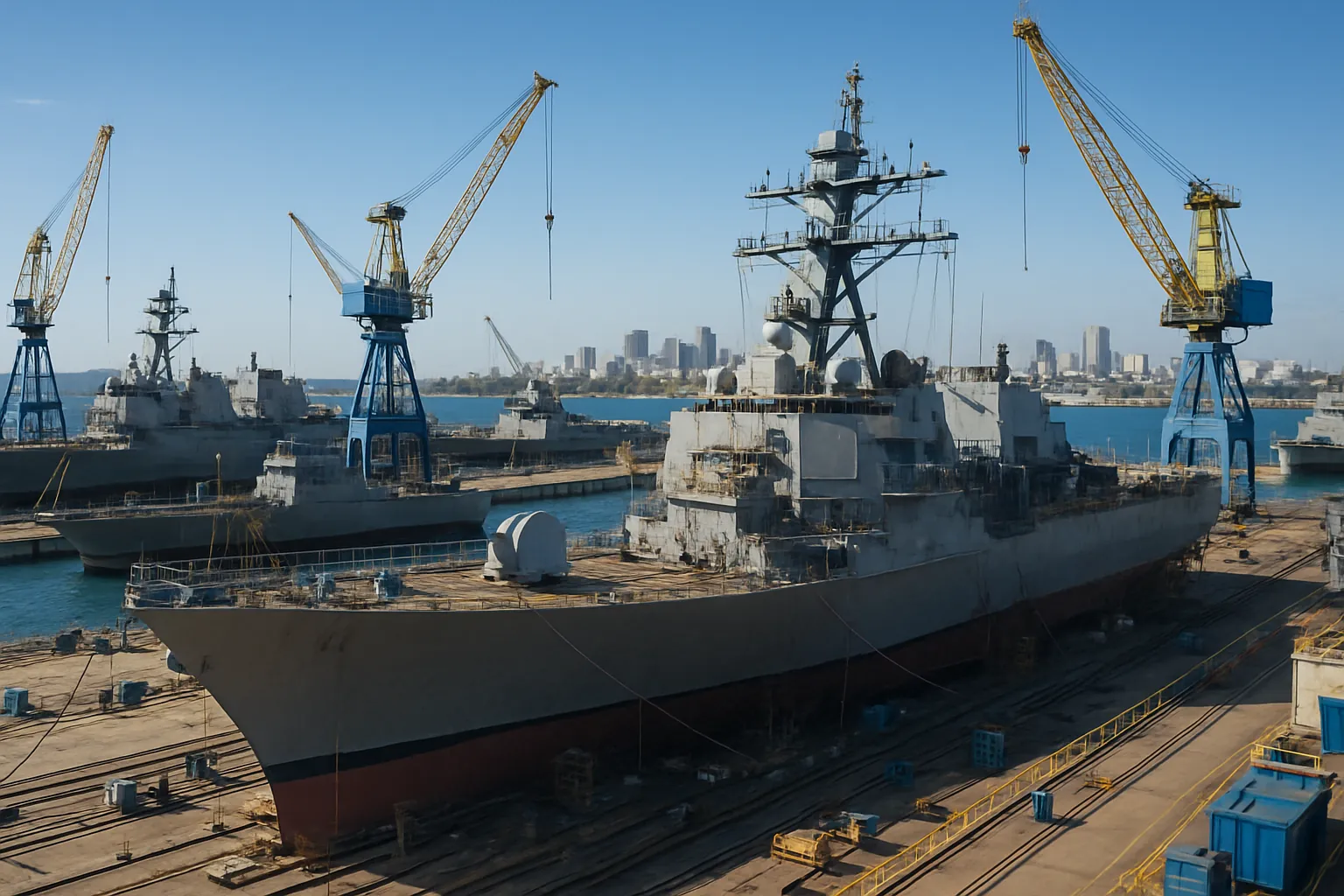
Picture this: An Alabama shipyard humming with work on U.S. Navy vessels, its future hanging in the balance as South Korea’s Hanwha Group edges closer to full control. That scenario is no longer hypothetical. With the U.S. Committee on Foreign Investment (CFIUS) waving Hanwha through to potentially acquire 100% of Austal Limited, a key supplier to the U.S. and Australian militaries, the global landscape of defense manufacturing is shifting in real time.
To some, it’s a bold bid to revitalize an imperiled industry. For others—especially the Forrest family, billionaire backers of Austal—this saga reads as a hostile takeover. They have openly accused Hanwha of misrepresenting regulatory clearances, stoking controversy over transparency and national interest. Yet CFIUS’s decision stands: No unresolved U.S. security concerns block this deal, one that could signal a new era of cross-Pacific defense cooperation—or open a Pandora’s box for critical supply chains.
A closer look reveals Hanwha already has its fingerprints on U.S. defense. The group acquired Philadelphia Shipyard and secured a milestone naval maintenance contract, overseeing work on the USNS Wally Schirra: a first for a Korean shipbuilder and a symbol of a changing tide in military contracting. According to Hanwha Global Defence CEO Michael Coulter, these milestones underscore “strong U.S. government support,” thanks to Hanwha’s operational chops and record of collaboration with American allies.
What’s at Stake? Jobs, Technology, and the Shape of the Allied Arsenal
Beyond that, defense manufacturing remains at the core of national security and economic resilience. The U.S. Navy’s long-running shipyard woes—spiraling delays and cost overruns that threaten fleet readiness—have prompted calls from Capitol Hill for revitalization, no matter the political winds. The Trump-era push to bolster shipbuilding capacity revealed bipartisan anxieties about American industrial decline, a narrative that persists even as policies evolve.
For Hanwha, the Austal acquisition is more than just an asset play. The company has long coveted a greater stake in the Western defense complex. Their failed bid in 2024 to take over Austal via a scheme of arrangement and a lost contract for the Royal Australian Navy’s General Purpose Frigates barely slowed them down. Now, with a 9.9% stake and clearance to go as high as 100%—pending Australia’s own regulatory review—Hanwha stands poised to bring South Korean shipbuilding efficiency and scale to the U.S., U.K., and Australian defense markets in ways not seen before.
Supporters argue this could catalyze sorely needed upgrades. Harvard economist Jane Lau argues, “The U.S. fleet has suffered from chronic underinvestment and a sclerotic procurement process. Injecting new talent, technology, and competition is an overdue shock.” Still, critics, including industry insiders and labor advocates, wonder about long-term labor impacts, the fate of domestic supply chains, and the wisdom of placing a pillar of military hardware in foreign hands.
“When a foreign state-linked corporation can scoop up a U.S. military shipyard, you have to ask: Whose interests are being secured? The Pentagon’s, or shareholders in Seoul?”
Australia’s Defence Minister, Richard Marles, signaled no public concern—at least so far—over Hanwha’s ambitions. Yet public unease persists. A 2023 Pew Research Center poll found that while American trust in allied partnerships remained high, skepticism toward the foreign control of defense assets has deepened—especially after pandemic-era shocks left critical supply chains exposed and brittle.
Troubled Alliances or Smart Partnerships? Charting the Path Forward
History offers lessons—both cautionary and instructive. In the 1980s, the Reagan administration embraced Japanese auto and electronics investment, catalyzing American modernization but also provoking backlash from workers displaced or left behind. Now, a similar crossroads emerges in strategic sectors that underpin military power. The specter of losing control over core assets sits uneasily alongside the promise of a revitalized shipyard workforce, more ships delivered on time, and a modernized arsenal for a world getting less predictable by the day.
Critics of conservative policy point out that relentless privatization and laissez-faire deregulation undermined American manufacturing for decades. With the Hanwha-Austal deal, there’s an uncomfortable echo: Are we once again bartering away the crown jewels for short-term gains? Progressive voices argue for smarter safeguards—meaningful oversight, binding labor protections, and strict technology-sharing controls—if such mergers are to serve the public good rather than corporate profits alone.
What does real security look like? Not just more ships, but resilient, high-road industrial economies able to weather global shocks. Diversity, strong labor, and tight environmental rules—all are non-negotiable if America is to sustain its primacy and values. As Hanwha’s attempted buyout moves forward, stakeholders must demand transparency and accountability, ensuring the deal doesn’t undermine the very foundations it seeks to reinforce.
The lesson of recent years, from COVID supply crises to critical infrastructure hacks, is stark: a nation’s defense is only as strong as its most vulnerable link. This moment demands vigilance, not just cheerleading for foreign capital, however friendly its source.
