
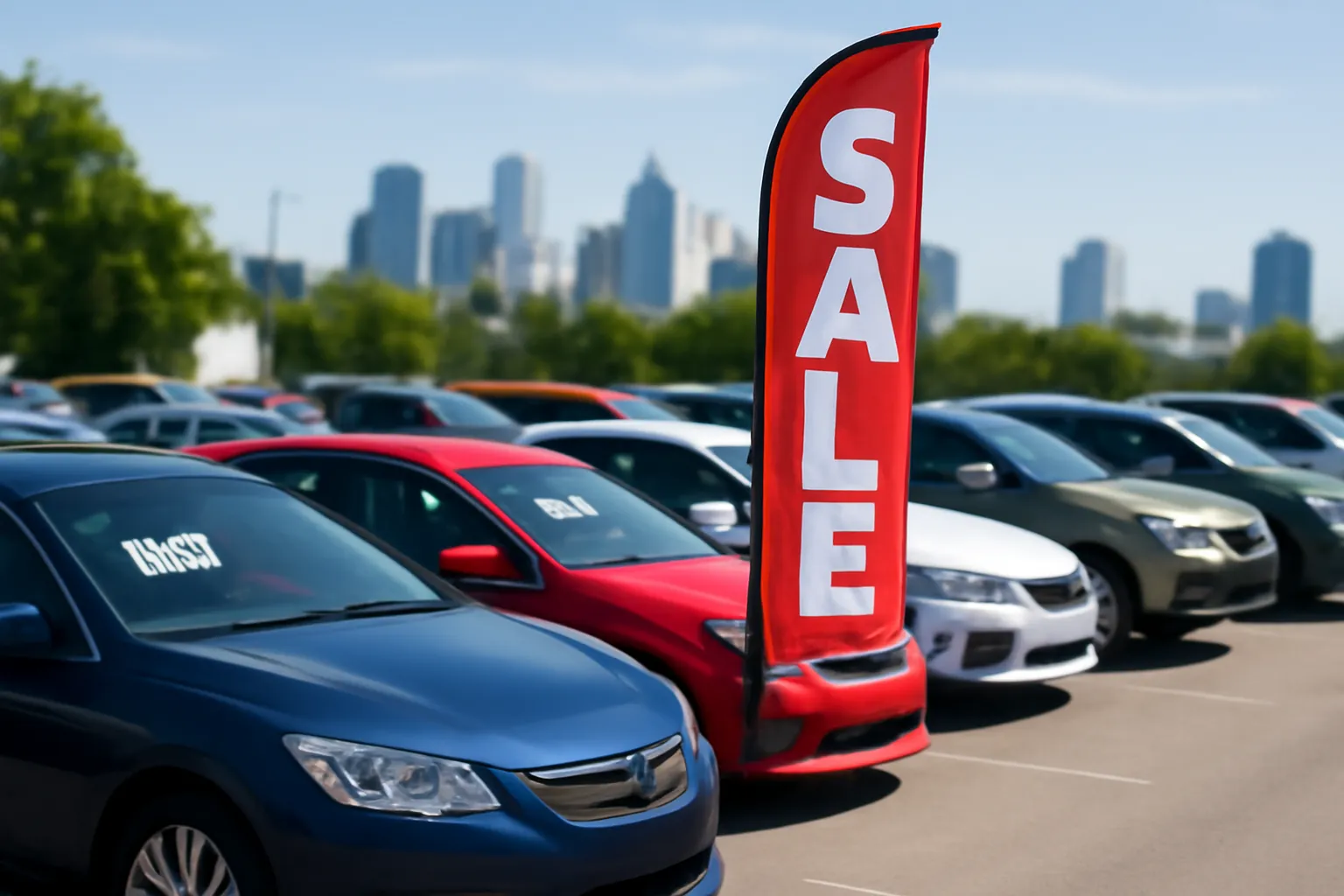
A Jolt at the Auction Block: Tariff Threats Send Used Car Prices Soaring
Not long ago, the dream of snagging a reliable used car for a reasonable price felt within reach for millions. But if you’ve set foot on a dealership lot recently—or browsed any online marketplace—you’ve likely felt a gut-punch: sticker shock is back, and it’s fiercer than ever. According to Cox Automotive’s latest Manheim Used Vehicle Value Index, wholesale prices shot up 4.9% last month, vaulting to their highest point since October 2023. For context, that’s a leap nearly 13 times the usual month-to-month increase. Why are Americans being squeezed again just as economic recovery felt within grasp?
The answer lies at the intersection of global policy and household necessity. As the White House threatens—and, in some cases, implements—sweeping 25% tariffs on new imported vehicles and auto parts, ripple effects are thrumming across the auto industry. A closer look reveals how these policies, initially aimed at protectionism, can quickly ricochet to ordinary Americans, reshaping our choices and pocketbooks.
Winners, Losers, and the Shifting Terrain of the Car Market
Recent months witnessed a surge of consumers scrambling to purchase before tariffs drove prices even higher. For many, the logic was clear: buy now, or risk being priced out later. This buying rush, experts say, is a classic case of policy-driven market volatility. According to the Manheim Index, while compact cars saw a modest dip in price (-1.5%), luxury vehicles and SUVs soared—jumping 5.9% and 5.5%, respectively. The forces shaping these shifts run deeper than make or model: they reflect anxiety, supply bottlenecks, and an opaque global supply chain distorted by geopolitical bravado.
Harvard economist Jane Doe highlights, “Even if tariffs do not directly hit used vehicles, they change the math for new car buyers, compressing supply and fueling demand for anything with four wheels and an engine.” There’s an undeniable knock-on effect: as the cost of new vehicles climbs, used car demand tightens—pushing average retail listing prices for used vehicles above $25,000, a fresh record.
Dealers themselves are feeling the squeeze. Wholesale prices—the amount dealerships pay at auction—jumped 3.3% last month alone. And while retail used-vehicle sales were down 1.7% from March due to short-term sticker shock, they’re up a striking 13% year-over-year, according to industry data. That volatility echoes a deeper reality: even Americans with modest needs and budgets cannot reliably escape the economic fallout of conservative trade interventions.
“Tariffs aimed at protecting American industry almost always wind up penalizing American consumers. The price hikes we’re seeing are a direct transfer of cost from global corporations to working families.”
Beyond that, industry insiders warn that the wholesale price increases typically show up on consumer sales lots within four to six weeks—a lag that suggests many families will soon face new rounds of price hikes. This reality stands in stark contrast to promises of ‘America First’ benefiting ordinary citizens; so often, those benefits prove illusory.
The Real Cost of Trade Wars: Who Pays When Policy Changes?
Rising car prices ripple into nearly every aspect of American life. Access to affordable transportation is, for most, not a luxury—it determines the jobs you can reach, your kids’ schooling options, and the distances family can live apart. When tariffs drive costs up, the working class and lower-income families pay the steepest price. As the reverberations of protectionist trade policy spread out, rural and urban communities alike find themselves squeezed. Wealthier households might swallow these increases or defer a purchase. But for a single parent or a small business owner, each additional dollar at the dealership means a harsher choice elsewhere.
Historical parallels offer little comfort. Recall 2018, when similar tariff escalations under the previous administration led to auto price hikes and industry job cuts—not surges in ‘American-made’ manufacturing. According to a recent analysis by the Peterson Institute for International Economics, previous rounds of auto tariffs raised costs for both consumers and automakers without significantly inspiring new domestic production. While the pandemic set unprecedented records for used car prices, the current spike—though not yet at those highs—is trending perilously close, and remains well above pre-pandemic average pricing.
A narrative has emerged suggesting that trade wars safeguard American jobs, yet data and lived experience suggest otherwise. Economist Jared Bernstein observes, “The impact on day-to-day budgets is immediate, while any theoretical benefit to domestic factories is years away, if it materializes at all.” For millions of Americans, then, tariff-induced inflation feels less like patriotic duty and more like an inflationary tax on the basics.
The story isn’t uniform across all vehicles. Luxury buyers, often better insulated from price shocks, have driven up prices for high-end SUVs and cars. Meanwhile, those seeking affordable, compact transportation are finding fewer deals—compounding the challenges for those least equipped to weather these headwinds. Is this the America we want—where policy risks leave only the wealthy untouched by economic turbulence?
Navigating Forward: Market Volatility and a Call for Smarter Policy
Used car prices may have cooled from their pandemic-era fever pitch, but today’s market remains a painful reminder of how trade policy reverberates far beyond its intended targets. The latest spike demonstrates, yet again, that American families often pay the true price for headline-driven political bravado. Shopping for a car shouldn’t require a crash course in geopolitics, but thanks to shortsighted tariffs, it now does.
Sensible reforms are needed. From managed trade negotiations to targeted incentives for cleaner, domestically produced vehicles, progressive solutions put people—not outdated ideology—at the center of policy. Transparent dialogue that considers both industry health and family affordability is overdue. Expanding public transit options and supporting consumer rebates for efficient vehicles would go further to address the intersecting crises of affordability, climate, and equity.
The bottom line: when politicians take the easy route of trade brinkmanship, the ripple effect hits hardest where it hurts most—at the American dinner table, car lot, and paycheck. Real leadership means prioritizing the well-being of the many, not the profits of the few or the applause of the moment. Our neighbors—and our nation—deserve nothing less.
