
A Bold Play in the Clean Energy Race
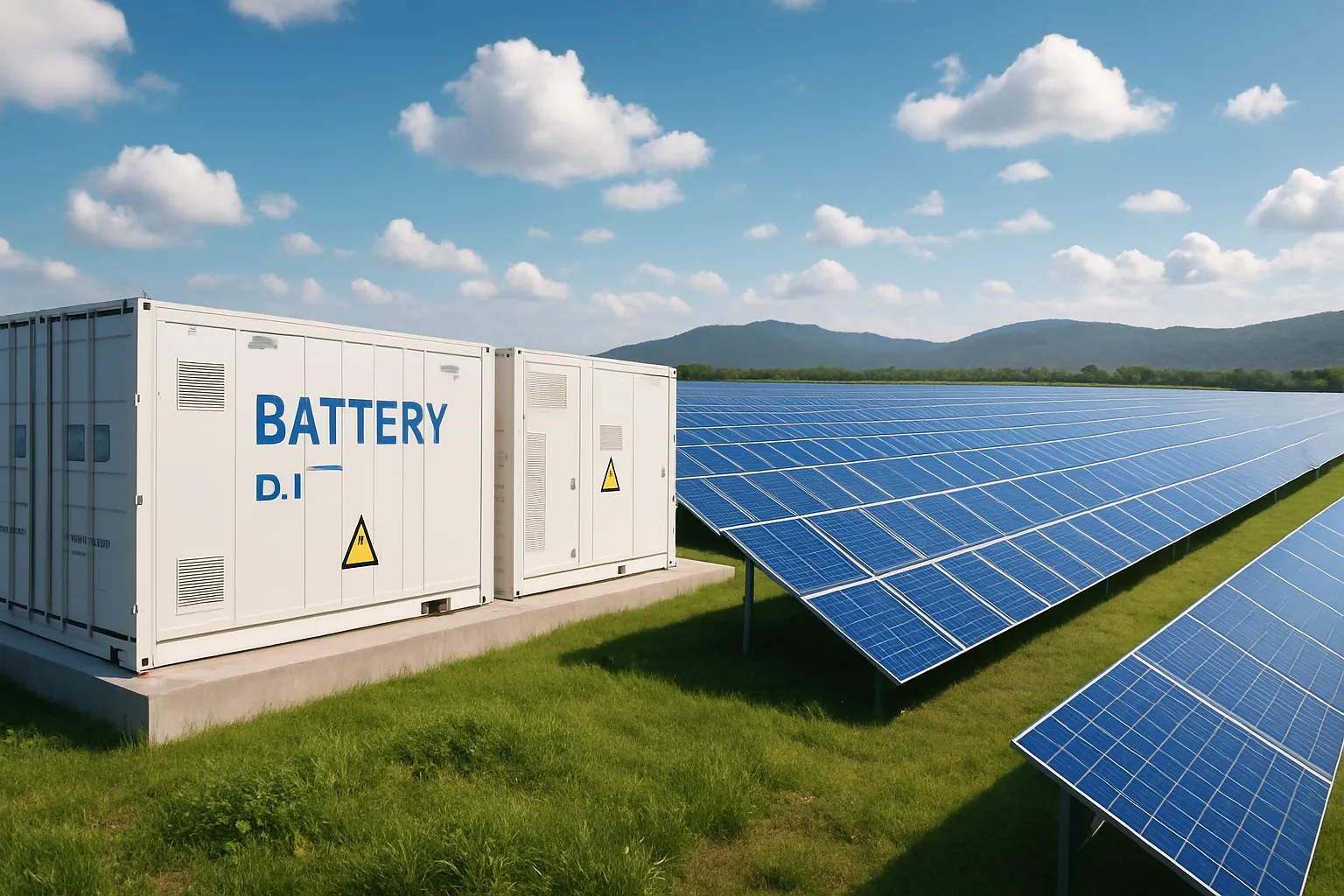
America’s transformation into a clean energy powerhouse faces a familiar roadblock: large-scale, affordable storage. This week’s announcement that Zeo Energy Corp. is acquiring Heliogen Inc. in a $10 million all-stock transaction signals a bold attempt to vault past that hurdle—and reshape the landscape for solar power in the process.
The merger, unanimously approved by both boards and slated to close in the third quarter of 2025, brings together Zeo’s robust network of residential solar customers with Heliogen’s advanced concentrated solar power and long-duration thermal storage technology. The timing is strategic. Demand for renewable energy, especially among data centers and industrial-scale consumers, has soared to record highs; yet, without effective storage, solar’s promise is still limited by whether the sun is shining.
Why is this moment pivotal? According to Harvard energy systems professor Leah Stokes, “storage is now the make-or-break factor for utilities hoping to ditch fossil fuels. The industry’s next evolution hinges on overcoming the intermittency problem.” Zeo’s planned division for long-duration energy generation and storage is meant to deliver that breakthrough—if the merger really delivers on its promise.
Beyond that, the transaction reflects a broader strategy: creating a versatile clean energy platform that goes far beyond rooftop panels and into the demanding world of 24/7, industrial-scale low-carbon power. It positions Zeo to chase an enormous, increasingly urgent opportunity.
Chasing the Data Center Gold Rush—and Its Political Pitfalls
Data centers—the backbone of AI, cloud computing, banking, and much more—are rewriting the map for energy demand. The International Energy Agency estimates global data center electricity use could double by 2026, driven by the AI arms race and digital services proliferation. For progressive clean-tech advocates, this surge is a double-edged sword: it’s fueling economic growth and innovation, but it’s also pushing the limits of outdated, fossil-fueled infrastructure.
Within this context, Zeo’s CEO Tim Bridgewater has spotlighted Heliogen’s unique advantage: their technology aims to deliver longer duration energy storage at substantially lower costs than existing alternatives, a value proposition that’s especially enticing for energy-hungry hyperscalers and server farms. If Zeo can tap that market, it could help bend the emissions curve—an imperative if the U.S. has any hope of living up to its Paris Agreement commitments.
The all-stock deal, valuing Heliogen shares at $1.5859 each, is modest in scale but rich in ambition. Zeo, which only went public in March 2024, is betting that big fish can grow by swallowing even more innovative, if sometimes troubled, minnows. Heliogen has had its struggles with financial volatility and cash flow instability. According to TipRanks’ AI Analyst Spark, caution is warranted: “HLGN offers strong momentum but must prove it can deliver stable, scaled results within Zeo’s broader platform.” A group of Heliogen shareholders, representing 23% of the company, is already on board, giving the deal much-needed momentum despite lingering doubts on Wall Street.
What’s the policy context? While the Biden administration’s Inflation Reduction Act continues to fuel historic investment in renewables, the right-wing backlash against clean energy incentives is intensifying. State-level rollbacks of net metering and attacks on climate policy threaten to choke off the very markets Zeo and Heliogen hope to serve. Leading conservative states like Texas and Florida have made headlines for throttling solar incentives and undermining energy transition plans, creating uncertainty for both companies and climate-conscious households.
From Residential Roots to a Resilient Future
Zeo began as a residential solar player, serving families and small businesses across Florida and the Southeast. The push to acquire Heliogen marks a decisive leap. By absorbing expertise in concentrated solar power and industrial-scale storage, Zeo aspires to build a platform that can withstand the fickle winds of policy—and the ever-louder drumbeat of climate emergencies.
The stakes could not be higher. Without significant upgrades to grid resilience, blackouts like those seen in Texas and California will only become more frequent as extreme weather driven by climate change taxes aging infrastructure. Heliogen’s technology, if successfully integrated, could allow entire neighborhoods or even industrial clusters to stay powered in the face of disasters. It’s an opportunity to put real teeth behind progressive pledges for environmental justice, energy democracy, and community resilience.
Building a truly low-carbon grid isn’t just about generating more power, but about storing it for when it’s needed most. Marginalized communities and frontline neighborhoods—often left behind by profit-driven utilities—stand to benefit from robust, decentralized storage solutions.
“This merger is not just a business deal. It’s a shot at making clean, reliable power accessible to everyone—no matter their ZIP code,” says USC grid policy researcher Ana Martinez.
Yet, the path remains fraught. Conservative efforts to strip away funding and slow innovation, coupled with the legacy of underinvestment in transmission, threaten to drag the U.S. clean energy transition back to the status quo. Without continued pressure from climate advocates and progressives, ambitious mergers like Zeo-Heliogen may be stymied by red tape and reactionary politics. Will Zeo’s gamble set the pace for a resilient, equitable energy future—or be left as a well-intentioned blip on an otherwise faltering grid?
History teaches us that technology alone isn’t enough; movements, policy, and sustained investment must work hand in hand. After all, the promise of renewable energy is not merely brighter futures for Wall Street or Silicon Valley data centers—it’s communities kept safe, jobs created where they’re needed, and a livable climate for generations to come. The Zeo-Heliogen story is just one chapter in that bigger, ongoing fight.
