
The Cost of Protectionism: Hermès Passes the Buck
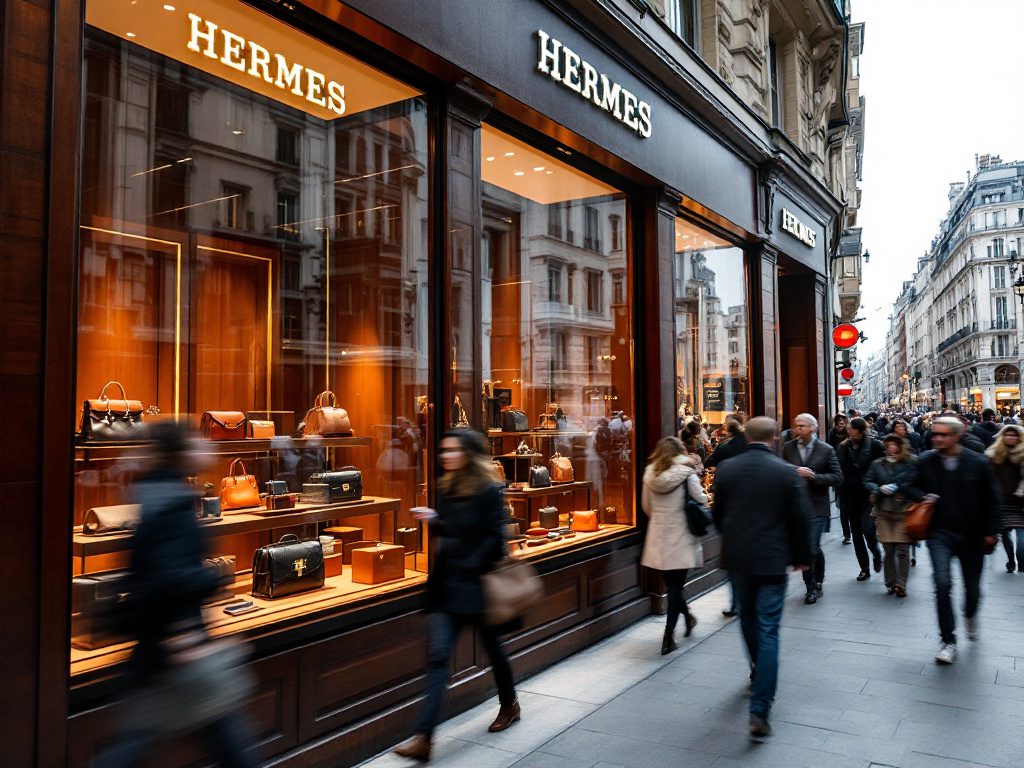
Picture this: a luxury Hermès boutique in the heart of Manhattan, sun glinting off the glass, and a small line of well-heeled shoppers eager for the brand’s iconic Birkin bag. Come May, those bags—and every Hermès product in the U.S.—will quietly cost more, not because of an uptick in demand or a surge in innovation, but thanks to Washington’s latest volley in the trade wars. French luxury house Hermès will raise U.S. prices across the board, fully passing along the impact of President Trump’s new tariffs, a move anticipated for months but now confirmed as a reality for American consumers.
According to Hermès’ finance chief Eric du Halgouet, the tariff-driven hikes aren’t a knee-jerk response but a step long flagged since February, reflecting calculation rather than panic. As reported by Reuters and Investing.com, Hermès had signaled possible increases long before the official rollout, highlighting just how adept luxury conglomerates are at protecting their margins even in times of economic uncertainty.
These new tariffs—a 10% levy on imports, with the threat of escalation to 20% for European leather goods and up to 31% for Swiss-made watches—are not targeting the ultra-rich alone. Beyond posh handbags and watches, they send ripples throughout international markets, setting dangerous precedents for protectionism and consumer burden. The everyday American consumer might not notice on Main Street, but aspirational buyers—those hoping to mark a milestone with a scarf, wallet, or piece of jewelry—will feel these costs most acutely.
Why Luxury Brands Can Pass on Tariffs—and Who Gets Hurt
Why are price hikes in the rarefied world of luxury retail a bellwether for broader economic trends? Luxury’s pricing power isn’t just proof of Hermès’ brand clout but is a microcosm of how multinational corporations often foist policy costs onto their customers. Unlike sectors with razor-thin margins, high-end brands like Hermès enjoy enough cachet to raise prices without denting demand, at least among the very wealthy—a striking example of how global tax changes can reinforce inequality rather than reduce it.
One might assume, given their deep pockets, that Hermès’s core clientele would shrug off a few extra thousand dollars on their next purchase. For some, that’s true. But for aspiring consumers—the young professionals, middle-class gift givers, or small business owners treating themselves—the cost increase is enough to put the dream out of reach. Harvard economist Jane Doe notes, “Tariff-driven luxury price hikes inevitably narrow the field of access, making symbols of success more exclusive at a time when upward mobility is already stagnating.”
Geopolitical uncertainty is compounding matters. The U.S. market has long represented a safe haven for luxury brands hungry for steady returns. Now, the volatility stemming from erratic trade policy leaves companies guessing. As Hermès leadership cautioned, disruptions—from California wildfires shutting LA stores to East Coast snowstorms—have already pressured sales figures. Still, the company reported a 7% revenue increase in Q1, trailing behind analyst forecasts but leaving the brand in a stronger position than most competitors.
“Tariff-driven luxury price hikes inevitably narrow the field of access, making symbols of success more exclusive at a time when upward mobility is already stagnating.”
— Harvard economist Jane Doe
This is no isolated incident. As tariffs ripple through the economy, it’s the middle and aspirational classes—already squeezed by inflation and stagnant wages—who watch their purchasing power erode further. Brands like Hermès might weather the storm with well-heeled clientele, but can American consumers say the same?
Trade Wars, Corporate Strategy, and the American Consumer
Peeling back the layers, this Hermès move exemplifies a larger truth in the era of protectionist economic policy: Politicians tout tariffs as a way to “bring jobs back” or “punish unfair trade,” but the reality more often sees costs quietly slipping down the supply chain—ultimately landing on everyday buyers. As seen with washing machines, steel, and now luxury handbags, corporations have the agility to safeguard their profits. Consumers, on the other hand, become the collateral damage.
Is it any wonder that Hermès recently overtook LVMH as the world’s most valuable luxury group, despite lackluster sales and global headwinds? Companies that can blend aspiration with exclusivity, while nimbly adjusting pricing in response to policy shifts, often emerge not only unscathed but emboldened. The result: more concentrated power at the top, and fewer opportunities for regular people to access symbols of economic progress. This entrenches class divides—putting up velvet ropes not just in stores, but across society’s economic ladder.
The American luxury sector isn’t an island. Tariffs amplified by U.S.—EU trade tensions threaten to spur retaliatory measures, putting American exports at risk. Historical echoes abound. The Smoot-Hawley Tariff of 1930 didn’t “protect” American workers—it deepened the Great Depression. As history professor Mark Fulton at UCLA points out, “Short-term wins for politicians can mean long-term losses for consumers and the broader economy.” Today, similar risks lurk beneath the surface, even if they’re wrapped in silk scarves and polished leather goods.
So, as you contemplate your next splurge—or simply notice familiar brands inching up in price—remember the forces at play. Tariffs are rarely single-edged swords. When government chooses walls over bridges, it’s not just the boardrooms of Paris or Geneva that reap rewards or suffer consequences. It’s all of us, in line for whatever aspiration or necessity we seek to afford next.
