
The Dollar’s Slide: Signals of Deeper Dysfunction?
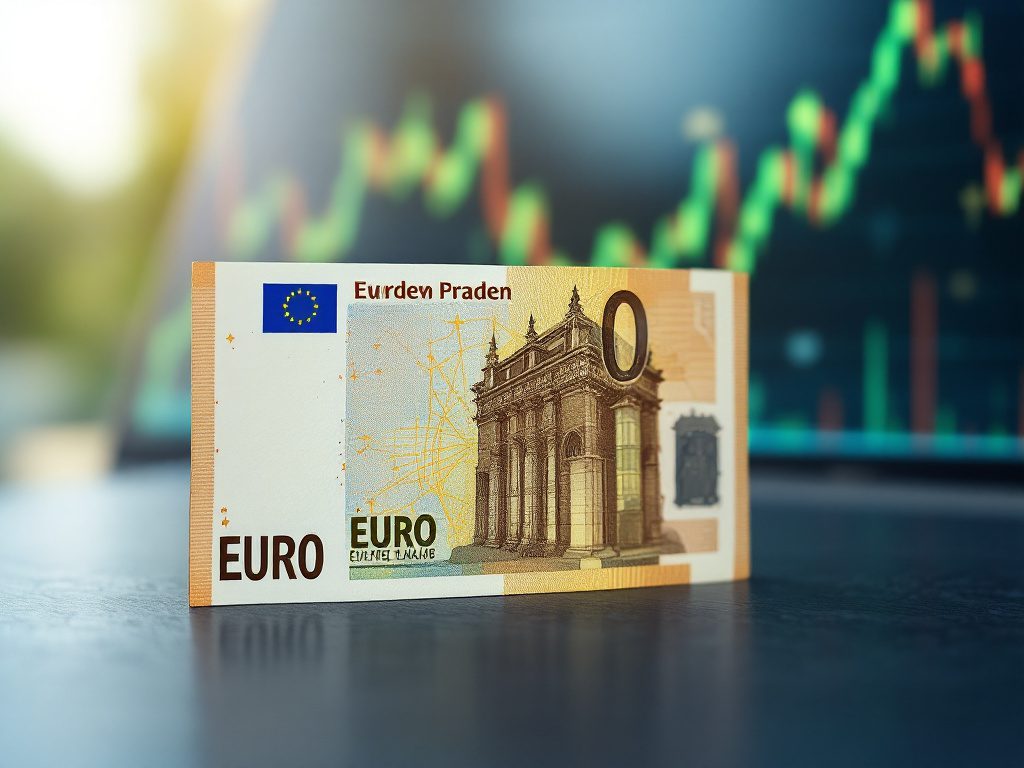
When you woke up this week to headlines declaring the euro’s surge to a three-year high against the U.S. dollar, it may have felt like déjà vu from another economic era. Yet beneath today’s currency moves lies a deeper unease: sharp skepticism about America’s economic direction—and the repercussions are cascading beyond the trading pits into the real world.
According to Bloomberg, the EUR/USD exchange rate punched through 1.15, topping levels not seen since early 2022. The immediate trigger? A perfect storm of broad-based dollar weakness, speculation about Federal Reserve independence, and mounting doubts about the White House’s grasp on economic stewardship.
A closer look reveals the mechanics at play. Federal Reserve Chair Jerome Powell’s promise last week—to keep rates on hold until the economy clarifies—failed to inspire confidence. Meanwhile, President Trump’s growing antagonism toward Powell has stoked fears that even the central bank’s famed independence may soon be compromised. “When the world starts to believe the White House is meddling with the Fed, the global financial order shudders,” warns Mark Sobel, former U.S. Treasury official, speaking to the Financial Times.
Concerns about the Fed’s autonomy are dragging the dollar lower across the board. As noted by the Wall Street Journal, the dollar lost ground not just to the euro but against every major rival: the Japanese yen, British pound, Swiss franc, and others. This isn’t a localized story—it’s an international referendum on U.S. economic credibility.
European Momentum Defies Headwinds
Strikingly, even as the European Central Bank enacted a dovish rate cut—traditionally a move that weakens its currency—the euro notched its longest winning streak in three years. FX analysts, according to Reuters, now expect the ECB to deliver three more 25-basis-point cuts by year’s end, reflecting a European policymaking consensus tilted toward caution amid uncertainty. Yet, these actions haven’t knocked the euro off its upward path.
Why the disconnect? European markets are benefiting from investors’ search for stability in a storm. As Washington’s dysfunction grows more visible, corporations and funds are hedging against further dollar volatility. The ECB’s own warnings of economic headwinds—especially from U.S. tariffs—are serious, but with Trump ramping up his anti-Fed rhetoric, the euro seems like a safe port in a policy storm, relatively speaking.
Chicago Fed President Austan Goolsbee’s recent warning about the chilling effects of tariffs provided further fuel. He cautioned, “If these measures continue, we’ll see real drag on U.S. output by summer,” echoing chronic concerns among multinationals about unpredictable U.S. economic policy.
Technical analysis points to a possible short-term correction—signals like the stochastic oscillator and MACD hint at a pullback—but the underlying sentiment remains bullish for the euro. For U.S. companies in Europe, the weaker dollar can boost exports, but it also complicates costs and profit margins for firms importing eurozone goods. The story doesn’t end at the trading desk; real-world impacts of currency moves ripple through jobs, prices, and everyday business decisions.
“When the world starts to believe the White House is meddling with the Fed, the global financial order shudders.”
—Mark Sobel, former U.S. Treasury official
Policy Paralysis and the Dollar’s Waning Influence
Recent events bring into sharp focus a defining question for our decade: Can the U.S. dollar retain its supremacy when faith in political and economic leadership weakens? According to a 2023 Pew Research Center survey, global trust in American economic stewardship already sits near a decade low, with European allies voicing particular alarm over unpredictable tariffs and trade strategies.
The significance of this crisis extends beyond forex charts. Since World War II, the U.S. dollar has functioned as the anchor of the world’s financial system—a reserve currency underpinned by the credibility of its institutions. That credibility is now under threat, not by economic fundamentals alone, but by performative partisanship and executive overreach. Harvard economist Carmen Reinhart notes, “History is replete with examples of political interference in central banking leading to inflationary spirals and weakened currencies. The lesson? Safeguards matter.”
The limitations of conservative economic policies—from unpredictable tariff regimes to undermining central bank independence—are now being laid bare. The Trump administration’s attacks on the Fed, coupled with a go-it-alone approach to trade, have sent a chill through trade partners and multinational businesses alike. Industry groups warn that the short-term sugar high of weaker-dollar exports is soon outweighed by growing costs for consumers and exporters alike, as supply chains fracture and global buying power wavers.
Liberals have long championed the importance of a rules-based, transparent global economy; this moment affirms how vulnerable we become when those principles are abandoned. For progressive Americans, this is a call to action—a reminder that America’s power abroad rests on its moral and institutional consistency at home. Political games that erode trust in our central bank or upend trade alliances don’t just dim the dollar; they undermine the livelihoods of working Americans and the collective well-being that comes from stable, predictable governance.
What comes next? Market participants are watching central banks for signals, but ultimately, the world needs to see clear, collaborative, and consistent U.S. economic leadership. Until then, the euro’s rise is more than a market story—it’s a referendum on what happens when economic stewardship succumbs to spectacle over substance.
