
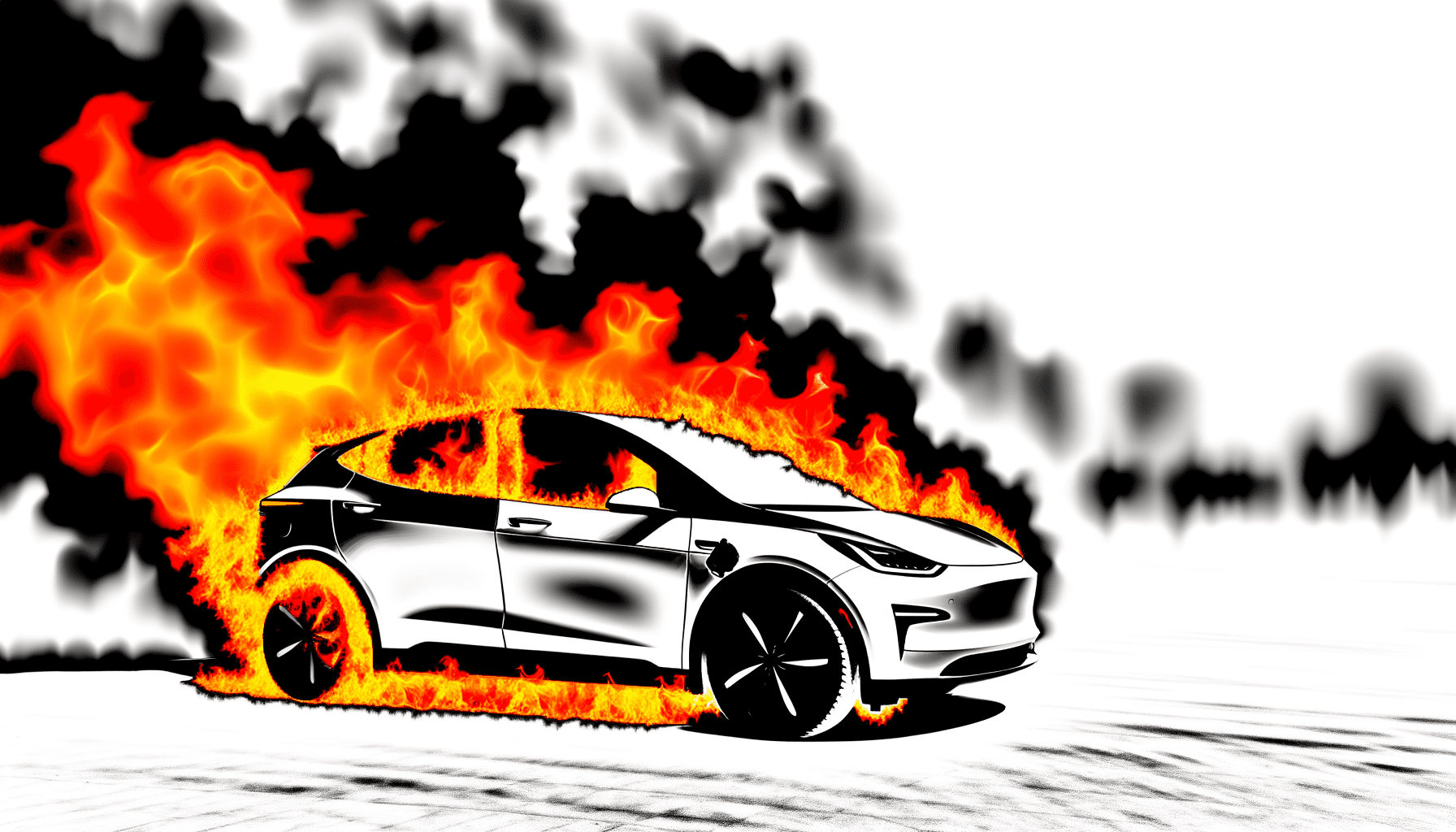
Tesla, the influential powerhouse synonymous with electric cars, technology advancement, and sustainability, finds itself navigating turbulent waters. Recently, Tesla made headlines not for groundbreaking innovation or sales milestones, but for a disturbing series of challenges: acts of vandalism, significant sales declines, and an escalating wave of global criticism linked to CEO Elon Musk’s controversial political affiliations.
Global Backlash Sparks Vandalism
Berlin recently became a hotspot for aggression against Tesla, when four vehicles were set ablaze overnight. Authorities in Germany haven’t dismissed the possibility of political motivations behind these incendiary crimes, underscoring the deep unrest many associate with Musk’s provocative political positions. This troubling incident marks a growing trend in targeted actions against Musk and Tesla, triggered by his acceptance of a high-profile role under former President Donald Trump and his divisive support for Germany’s far-right Alternative for Germany (AfD).
In the U.S., hostility towards Tesla has culminated in a similar rash of attacks and demonstrations. March saw protests erupt around Tesla facilities and showrooms across several cities, underscoring a palpable wave of discontent. Demonstrators, part of the ‘Tesla Takedown’ movement, have expressed outrage over Musk’s political interventions, demanding accountability and urging supporters to sell their Teslas. Such extensive, sustained criticism starkly reveals the broader societal apprehension triggered by Musk’s involvement in divisive political landscapes.
“The rising global hostility toward Elon Musk signals an unprecedented challenge for Tesla, placing the brand’s previously untarnished image at risk.”
Declining Global Sales Add to Tesla’s Woes
Alongside increasing public disapproval, Tesla faces substantial market pressures. The company’s U.S. registrations fell dramatically by 11% in January compared to the previous year, a worrying sign amid Tesla’s traditionally strong foothold in the American EV market. Competitors like Ford, Chevrolet, and Volkswagen managed to seize this opportunity, collectively surging registrations by 44%. Could this be a shift in the perceived value that customers see in Tesla?
Across the Atlantic, Tesla confronted even sharper declines, facing an alarming 50% drop in new vehicle registrations in the European market during January 2025, according to data by the European Automobile Manufacturers Association (ACEA). The UK, too, noted diminished enthusiasm for Tesla, with registrations dipping from 1,581 to 1,458 year-over-year, while rival electric carmakers like China’s BYD boomed spectacularly. Such sharp contrasts illustrate not just temporary setbacks, but possibly indicate a substantive shift among consumers towards more accessible or politically-neutral brands.
Meanwhile, in China, Tesla’s struggles are equally apparent. February saw Tesla sales decline by almost 49% as Chinese competitors like BYD aggressively captured market share through competitively priced vehicles and sophisticated technology offerings, which resonate deeply with China’s consumer preferences. BYD’s astonishing 75% market growth starkly contrasts Tesla’s slipping sales, underscoring the tough market challenges ahead.
Investor Confidence Falters Amidst Market Turmoil
Tesla’s market issues extend beyond sales. Investor confidence has notably waned, seen vividly in Tesla’s stock price, which has endured a plunge exceeding 50% since mid-December. Analysts attribute this deep dive to Musk’s polarizing political interventions, alongside broader market fluctuations, economic headwinds, and lingering uncertainties from policies introduced during Trump’s administration. Investors seem apprehensive, cognizant of how political controversies can substantially impact consumer behavior and sustainability of the brand’s image.
Tesla’s recent 11% stock declination postured an additional signal of concern, sparked amidst rumors linking the company to a potential partnership or investment in Nissan. Though Musk refuted such rumors, Tesla confirmed another significant business maneuver—a deal involving Tesla Semi trucks with WattEV, a company specializing in electric freight transport solutions. Investors scrutinized this typically positive news more cautiously, reflecting a precarious confidence teetering on Musk’s every move.
Can Tesla Realign Its Path Forward?
Tesla remains a potent force and brand ambassador for the electric vehicle revolution, yet recent socio-political controversies connected to Musk have metastasized into notable reputational damage. Many customers—who formerly identified deeply with Tesla’s eco-friendly, technology-driven ethos—find themselves conflicted about supporting a company so intertwined with political divisiveness.
Navigating a path forward requires more than maintaining product superiority or pricing strategies. It demands thoughtful introspection from Musk and Tesla’s leadership about how deeply interconnected public perception and corporate values have become. For Tesla to reclaim its position unequivocally as a beacon of progressive innovation, it will necessitate deliberate disengagement from divisive political affiliations and recommitting unequivocally to its foundational mission of sustainability, innovation, and consumer-centric vision.
Critically, the unfolding controversies surrounding Tesla provoke broader questions about corporate responsibility and the balance between leadership’s personal views and brand perception. Can Tesla recalibrate its compass to steer clear of polarized waters, or will the entanglement with political sensationalism continue?
Tesla stands at a pivotal crossroads: recommitment to socially-conscious innovation, or continued descent into the tumultuous intersections of corporate ambition and political fractiousness.
