
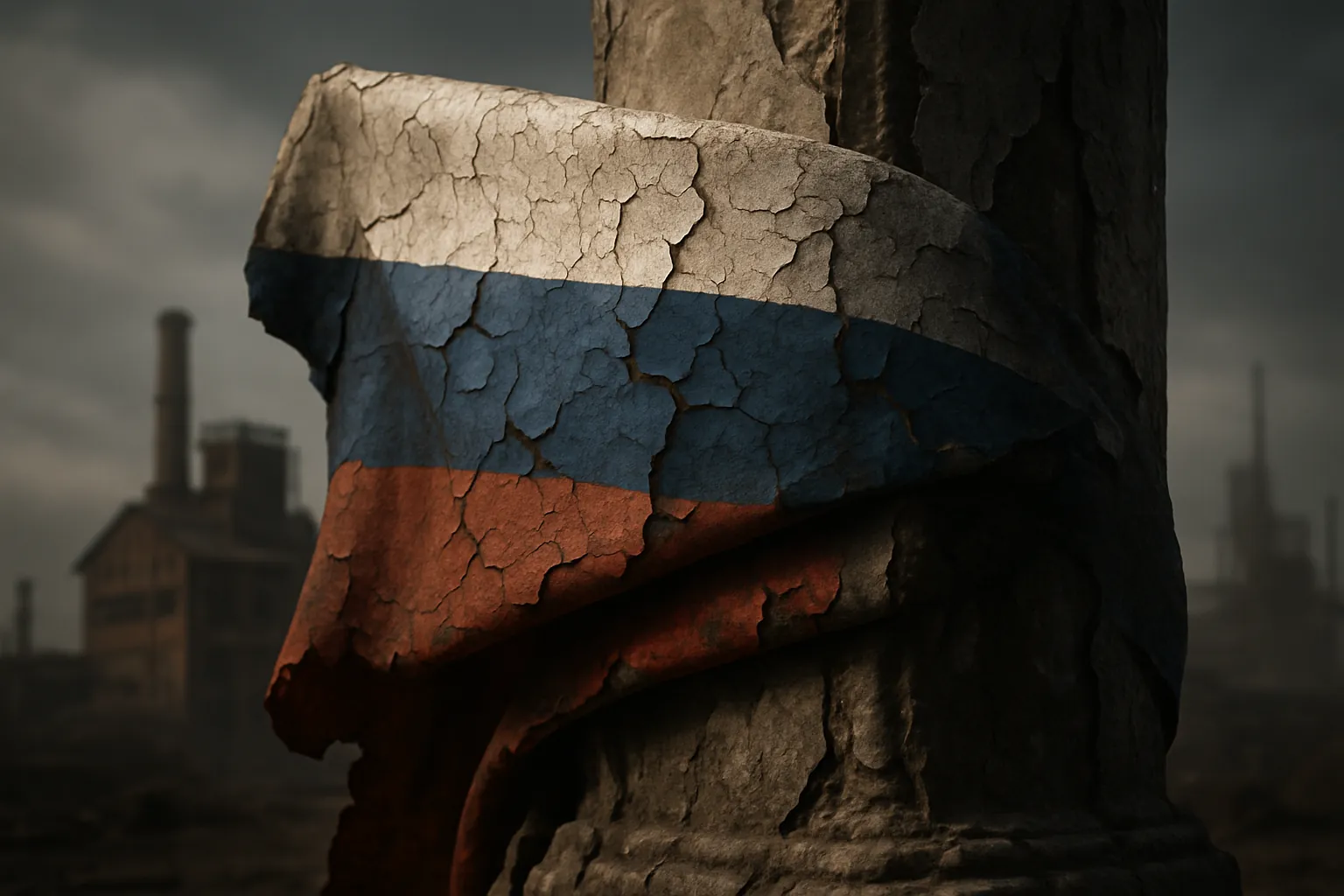
Sanctioned But Not Swayed: Russia’s Defiant Narrative
Defiance radiated from the Kremlin’s marble halls this week as Kremlin spokesman Dmitry Peskov thundered, “No sanctions will ever be able to force Russia to change course on Ukraine.” His words, echoing President Vladimir Putin’s oft-repeated mantras, dared a world still grappling with the consequences of a war that has upended Europe’s security architecture and left millions displaced. Yet beneath this bravado, Russia’s so-called economic resilience tells a complicated story—one that reveals both grit and deepening vulnerability.
Western powers, led by the United States and European Union, have unleashed a barrage of financial, energy, and technology sanctions in response to Moscow’s invasion of Ukraine. These penalties—unprecedented in their scope—were designed to cripple Russia’s $2.2 trillion economy and erode support for Putin’s government. Bank assets were frozen, energy exports restricted, and advanced technologies cut off. Yet Russia’s war economy not only survived, but according to World Bank data, grew by 4.1% in 2023 and another 4.3% in early 2024—a jaw-dropping outcome that, on its surface, mocks the West’s intent (World Bank).
Yet look deeper. The Russian Central Bank has cranked interest rates beyond 16%, desperately trying to arrest inflation, stave off capital flight, and maintain a fragile ruble. Ordinary Russians feel the pinch: basic goods have doubled in price since the war began, and Western brands have disappeared from store shelves, replaced with lower-quality knockoffs. The boom is supported by record military spending, not sustainable consumer demand.
Behind the Numbers: The True Cost of “Resilience”
Peskov and Putin’s defiant posture rests largely on a war-driven economic surge. Oil and gas revenue—buoyed by shadowy trades circumventing sanctions—has kept government coffers full. Factories, now prioritizing armaments over everyday goods, hum at wartime levels (an economic model focused on conflict, not prosperity).
But signs of strain are multiplying. High interest rates, while calming short-term inflation, are choking off credit for small businesses and homeowners. Russia’s once-thriving tech sector—once a rising star in the global economy—has lost tens of thousands of skilled workers to emigration or internal repression. “The brain drain is real,” notes Russian economist Sergey Aleksashenko, formerly of the Central Bank of Russia, now in exile. “It’s a short-term gain, but the long-term price is innovation and growth.”
Meanwhile, the very resilience touted by the Kremlin is largely illusory for the average citizen. Ordinary people shoulder the burden of war, facing crumbling public services as government resources are redirected to the military. Pensioners, already living on small stipends, now cope with inflation far outpacing their incomes. Western sanctions on dual-use technologies mean hospitals struggle to procure advanced medical devices. The Kremlin may boast, but Russians endure shortages and uncertainty.
“Russia’s impressive headline growth is a mirage, masking growing inequality, high inflation, and profound long-term risks,” warns Harvard economist Sergei Guriev. “Sanctions haven’t toppled the regime, but ordinary Russians are paying the price.”
Strikingly, Putin has ordered Russian businesses and state officials to actively defy sanctions—deploying shell companies, backdoor supply chains, and creative trade networks to skirt Western restrictions. This cat-and-mouse game invigorates a shadow economy rife with corruption, making transparency and accountability more elusive than ever. According to a 2024 Pew Research report, over half of Russians now believe corruption is worsening, reflecting the hidden fissures behind “resilience.”
Geopolitical Chess: The West’s Dilemma, Russia’s Calculus
As the European Union and United States contemplate new rounds of penalties—meticulously coordinated, as reaffirmed by EU Council President Antonio Costa—the stakes only intensify. Sanctions are not a quick fix, and their limitations are increasingly clear. Russian military adventurism continues virtually unabated: just last week, a massive missile barrage struck Kyiv, killing civilians and damaging crucial infrastructure, underscoring that economics alone cannot halt the war machine.
Kremlin officials have seized on Western divisions, accusing Europe and Ukraine of attempting to “draw the U.S. further into their geopolitical orbit.” This rhetorical feint is hardly new—Moscow has long sought to exploit fault lines in the transatlantic alliance. Yet, despite these efforts, coordinated sanctions persist, demonstrating the enduring value of collective action among liberal democracies.
Yet Western policymakers confront a conundrum. Ratcheting up sanctions risks deeper hardship for ordinary Russians, while direct intervention threatens broader conflict. A closer look reveals how diplomatic pressure, support for Ukrainian civil society, and strategic engagement remain critical alongside restrictions. Yale historian Timothy Snyder argues that “sanctions alone are a necessary but insufficient tool—they must be coupled with robust support for democratic Ukraine and a clear moral message.”
The Human Toll and A Path Forward
Behind the spreadsheets and political theater, the blood and trauma of war continue. Ukraine’s infrastructure reels from Russian assaults: energy grids are battered, families are displaced, and children lose access to education. Meanwhile, Russia’s most dynamic citizens—entrepreneurs, engineers, critical thinkers—either silence dissent or vote with their feet.
This stark reality casts doubt on the triumphalist rhetoric of “resilience” from Moscow. Authoritarian regimes may weather short-term shocks with repression and propaganda, but at enormous social and economic cost. History offers reminders—look to Iran, North Korea, or apartheid-era South Africa—for how isolated economies decline beneath the surface, even as ruling elites profess victory.
Progressives understand that sanctions, while imperfect, remain a crucial lever—especially when combined with unwavering support for Ukraine’s sovereignty and a coordinated international front. The path to peace and justice demands more than pressure alone: it calls for creative diplomacy, humanitarian aid, and relentless advocacy for human rights.
Ultimately, the test for the West is not simply whether Russia’s economy stumbles, but whether the international community can reaffirm its commitment to a world order rooted in justice, self-determination, and mutual security. For those who believe in liberal values, the real measure of success lies not just in Moscow’s misery, but in Kyiv’s freedom.
