
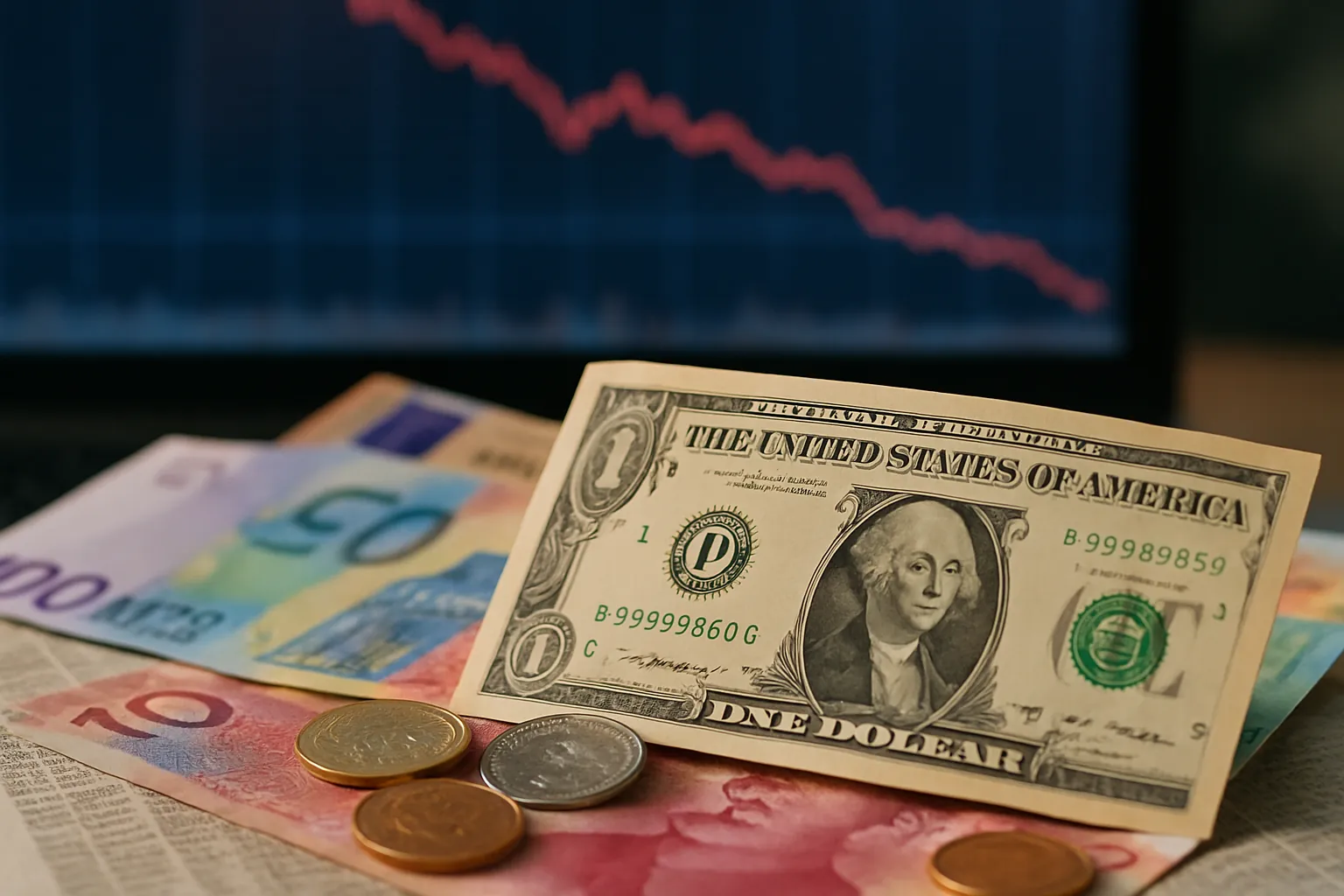
America’s Disinflation: Behind the Dollar’s Retreat
Few moments in the global financial landscape garner more scrutiny than the release of U.S. inflation figures. This month, the data delivered a subtle shock. The consumer price index posted its smallest annual rise in four years, climbing just 2.3%—a hair below the 0.3% monthly gain analysts had braced for. While such a tiny “miss” might seem inconsequential, in the complex dance of currency markets, perception is everything.
Markets reacted swiftly. The dollar index (DXY00) dropped about 0.36%, a move compounded not just by softer inflation data, but also by lackluster Treasury note yields and a buoyant stock market that reduced demand for the currency as a safe haven. Investors started recalibrating their bets on when—perhaps if—the Federal Reserve would finally make good on long-anticipated interest rate cuts. As of now, traders see only an 8% chance of a cut in June, a testament to how sticky underlying inflation remains even as the headline number softens.
How does this ripple into everyday life? “While the numbers are promising for consumers, there’s still considerable pressure beneath the surface,” said Brian Jacobsen, chief economist at Annex Wealth Management. He highlighted that recent U.S. tariffs on imported goods could drive up prices in coming months, but suggested that an easing of these trade barriers might keep a lid on future inflation. For many American families still struggling with expensive groceries and rent hikes, the latest data offers a bit of hope—but hardly a reason to celebrate.
Beneath this economic surface, the political stakes are mounting. Republican policymakers, often touting fiscal discipline and market-led solutions, have yet to offer a credible path to sustained, broad-based relief from stubborn price increases. Their approach to tariffs, championed as leverage against China, may be backfiring. As progressive economists have long argued, trade protectionism tends to hurt, not help, working Americans by raising consumer costs. The cautious optimism in April’s figures may be short-lived if conservative trade dogma continues to dominate policy discussions.
Global Currency Chessboard: Winners, Losers, and the Policy Puzzle
This American retreat has left room for movement among other major currencies. The euro found footing as upbeat German economic sentiment and rising German bond yields painted a more optimistic picture in the Eurozone. According to the latest German ZEW economic expectations survey, business leaders are now more hopeful about the region’s recovery—a reversal from last year’s energy-panic gloom. Yet, Treasury Secretary Janet Yellen’s warnings about a European “collective action problem” loom large; fractured EU trade negotiations and incomplete unity threaten to blunt the euro’s longer-term strength, a structural issue that haunts European integration.
Meanwhile, the Japanese yen is staging a modest comeback. The Bank of Japan’s Deputy Governor Shinichi Uchida reaffirmed a gradual shift toward higher rates, as the world’s third-largest economy contends with aging demographics and persistent deflationary fears. Japanese policymakers, in stark contrast to America’s so-called inflation “hawks,” are committed to carefully unwinding ultraloose policies only when their forecasts align with on-the-ground realities. It’s a prime example of how monetary orthodoxy can adapt to local circumstances—in marked contrast to Washington’s perennial tug-of-war between economic stimulus and fiscal restraint.
“When American policymakers turn tariff threats into policy, you inevitably see ripple effects across global markets—affecting family budgets from London to Tokyo,” said Claudia Sahm, former Federal Reserve economist.
Outside the transatlantic drama, the Australian dollar ascended as the week’s dark horse winner, buoyed by a strong domestic jobs report and global investor appetite for risk. In contrast, currency blends like the Swiss franc and British pound have moved more subtly—sterling in particular benefited from robust wage growth, which offset lingering concerns about job softness. Even so, the global mosaic remains fragile, with currencies zig-zagging on every fresh data print or central bank pronouncement. The broad message: Policy nuances matter, even as populist slogans about currency strength frequently miss the bigger picture.
Progressive Perspective: Why Policy Matters Beyond Numbers
Sifting through the headlines, one thing becomes painfully clear: Numbers alone rarely tell the whole story. U.S. inflation may be coming off the boil, but the lived experience for most Americans—especially low- and middle-income families—remains fraught. Sticky core inflation means everything from prescription drugs to rent hasn’t actually gotten much cheaper. A closer look reveals the limits of relying on monetary policy alone to bring sustained relief.
Liberal economists and progressive lawmakers have persistently warned that simply tweaking interest rates cannot solve deep-seated inequities in our economic system. According to a Brookings Institution report, high rates hurt new homebuyers, renters, and student borrowers the most—often communities of color and younger Americans striving for financial security. Meanwhile, subsidies for domestic industries awarded under the cover of anti-China rhetoric don’t guarantee affordable prices at the checkout. Instead, genuine relief requires investing in affordable housing, strengthening the social safety net, and reining in corporate profiteering—steps that conservative orthodoxy would rather leave to the market.
Can Washington move beyond its myopic focus on quarterly inflation prints? Progressive policymakers have a vision: structural reform, not just short-term fixes. As Federal Reserve Chair Jerome Powell recently stated, “We’re looking for sustained, broad-based evidence of easing price pressures,” signaling the need for patience and a comprehensive approach. Bank of England Chief Economist Huw Pill echoed a similar “long game” for fighting inflation in the UK, warning against knee-jerk rate cuts just because of one modestly encouraging data point.
Ultimately, the dollar’s softening should be seen not as a crisis, but as an opportunity. An opportunity to reject unthinking allegiance to outdated economic dogma—and to ask better questions. How can we ensure that policy translates into real improvement for working families? Will leaders finally invest in climate resilience, affordable healthcare, and good jobs? Today’s dollar retreat is a chapter in a longer story. The next chapters depend on the courage of policymakers to choose social justice over short-term optics.
