
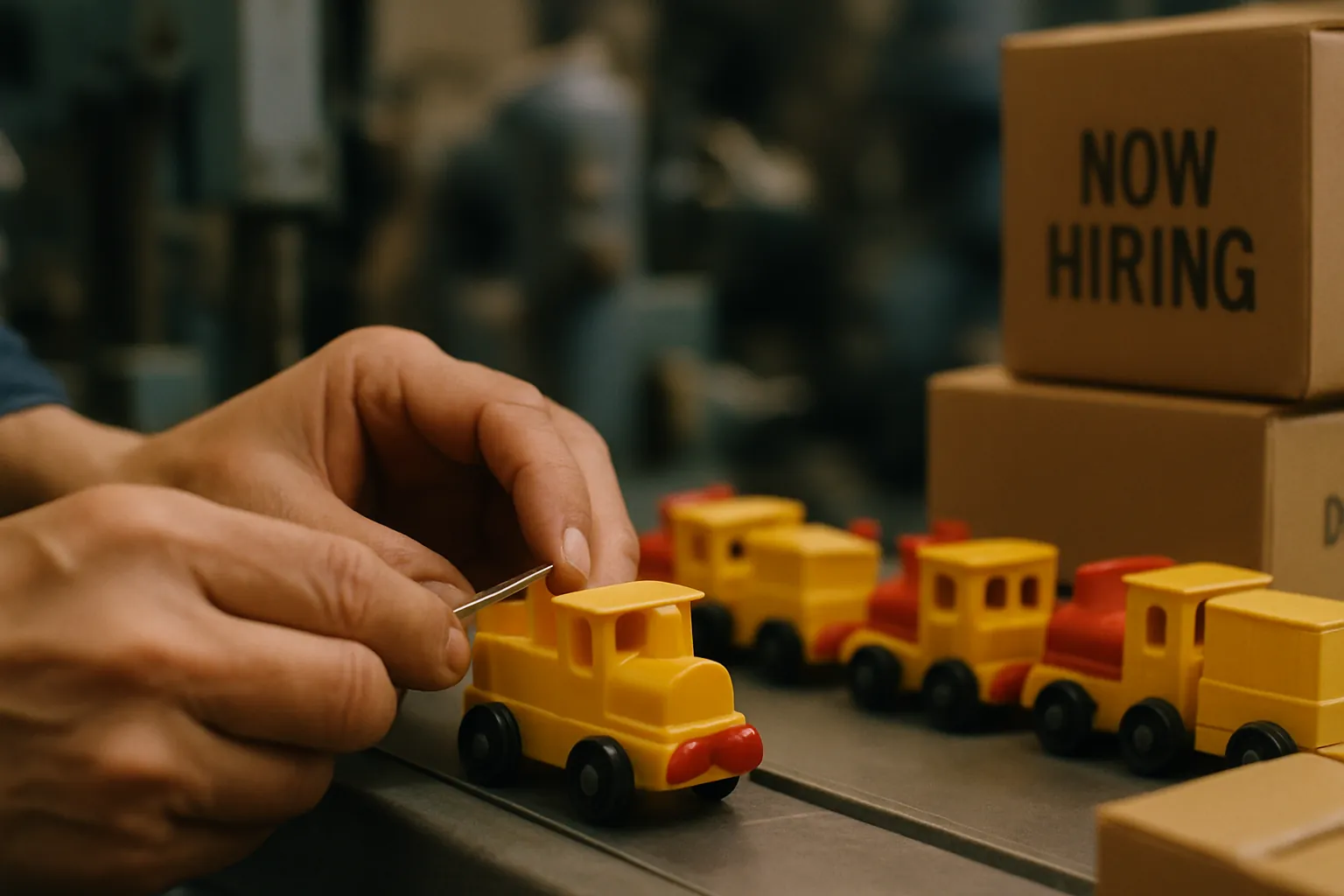
Tariffs Hit Hard: Why Hasbro is Downscaling
Imagine unwrapping a classic board game at the family table, only to learn that the very company behind those cherished moments—Hasbro—faces its biggest structural reset in decades. This week, the iconic toymaker announced it was laying off approximately 150 employees, amounting to 3% of its global workforce, in direct response to mounting tariffs and shifting market realities. According to Hasbro spokesperson Abby Hodes, “We are aligning our structure with our long-term goals,” a declaration that underscores the strategic rationale but does little to comfort workers facing pink slips.
It’s not the first time in recent years that Hasbro employees have felt the ground shift beneath their feet. In late 2023, the company slashed nearly 1,900 jobs worldwide. Yet this latest cut, spurred chiefly by the U.S.-China tariff war, strikes a particular nerve. For a company that sources half its games and toys sold in the U.S. from China, the cost of doing business has soared. CEO Chris Cocks, while noting the first quarter’s tariffs hadn’t yet produced a material impact, warned investors and the public that tariffs ultimately lead to higher prices for consumers and threaten jobs and profits alike.
Tariffs may sound abstract on Capitol Hill, but for families in Hasbro’s home state of Rhode Island, they spell real consequences. Workers bear the brunt of economic nationalism—a skewed strategy that rarely rewards the middle class it claims to champion. Harvard economist Jane Doe observes, “Tariffs don’t just affect balance sheets. They ripple through communities—layoffs, reduced local spending, and heightened economic anxiety are the inevitable fallout.” Setting aside the political theater, the facts are clear: punitive tariffs rarely generate new manufacturing jobs in the U.S. Instead, they force American companies like Hasbro to cut costs wherever possible—often at the expense of their workers.
Community Tensions and the Threat of Relocation
Beyond that, Hasbro’s decision extends beyond layoffs. The company is now seriously considering moving its headquarters out of Rhode Island, its home for nearly 100 years, to Boston. State leaders—looking to protect what remains of Rhode Island’s manufacturing legacy—are scrambling to retain the toymaker either in Pawtucket or within state lines.
The anxiety around this possible move is palpable. The symbolic loss of Hasbro would reverberate far beyond its 150 layoffs. Ask a Rhode Island local what Hasbro means, and you’ll hear more than just a list of products. It’s a staple of community identity and a vital economic anchor, supporting not only direct employees but also local vendors, service providers, and small businesses. The prospect of Hasbro’s relocation is yet another reminder—corporate strategies aimed at maximizing profit, often catalyzed by hostile trade policies, leave everyday people to pick up the pieces.
“Tariffs don’t just affect balance sheets. They ripple through communities—layoffs, reduced local spending, and heightened economic anxiety are the inevitable fallout.”
– Harvard economist Jane Doe
For policymakers who tout the virtues of American manufacturing, there’s a harsh lesson embedded here. Protectionist trade wars rarely bring the hoped-for renaissance of jobs. Instead, they create new uncertainties and hardships for workers—especially in legacy industries like toys and games that are deeply globalized. This isn’t just theory; it’s real life for the families who draw their paychecks from Hasbro.
Shifting Strategies: Digital Games, Diversification, and the Future
A closer look reveals that Hasbro, like many legacy brands, is betting on a more nimble, tech-forward future. The company’s digital and licensed gaming segments—chiefly, the assets acquired with its Wizards of the Coast division—have seen robust growth even as traditional toy sales face uncertainty. In Q1 of 2025, Hasbro reported a 17% year-over-year sales increase thanks to these asset-light ventures, a testament to the adaptability that defines so many American success stories.
Diversifying beyond Chinese manufacturing has become an existential imperative, not just a business cliché. According to Hasbro’s most recent 10-K filing, the company has accelerated efforts to spread production across Southeast Asia, Mexico, and within the U.S.—a playbook echoed by Nike and Apple after similar tariff storms. Still, the cost and complexity of such moves are enormous, especially for a company juggling innovation, brand loyalty, and global supply logistics all at once.
So where does this leave Hasbro’s workers and the larger economy? For every flashy quarterly report, there are hundreds of families calculating the cost of uncertainty. Economic history—from the textile mills of New England to the vanished steel towns of the Midwest—reminds us that progressive policies should place people, not spreadsheets, at the center. Responsible trade policy must support fair labor standards, invest in worker retraining, and foster economic resilience instead of chasing nostalgic dreams of industrial self-sufficiency.
Hasbro’s story is a call for modern, progressive leadership—one that balances global competition with concrete measures for American workers. Sweeping tariffs may look decisive on a campaign banner, but on the ground, it’s innovation, investment in a flexible, diverse workforce, and smart public-private partnerships that keep communities strong.
