
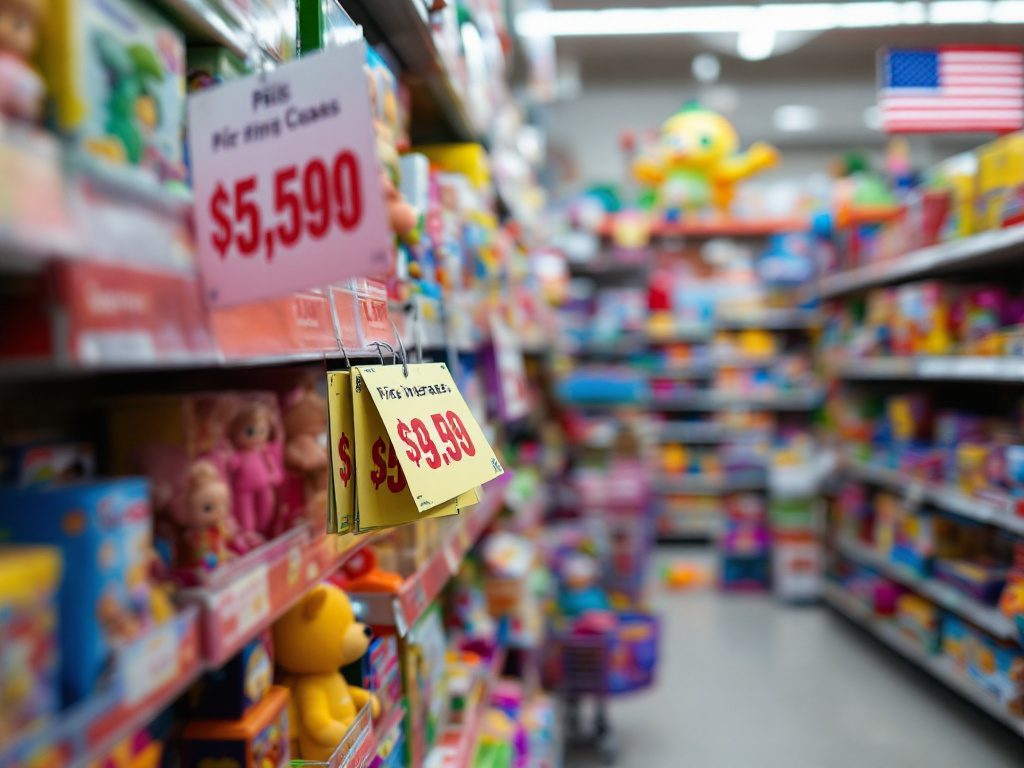
A Childhood Staple Faces an Unwanted Grown-Up Problem
Few names hold the imaginative power of Mattel. For decades, Barbie and Hot Wheels haven’t just been toys—they’ve been symbols of childhood promise, spanning generations and economic cycles with a seemingly simple joy. In 2024, however, a specter looms over toy shelves across the country, casting a shadow over both family budgets and the aspirations of an iconic American business. That shadow is President Donald Trump’s aggressive tariff policy, which has sent manufacturers like Mattel scrambling to protect their bottom lines—even if that means making childhood itself a little less affordable for millions of American families.
The latest announcement from Mattel couldn’t be clearer. Prices are going up. Not by choice, but as a direct response to the president’s 145% tariff on most Chinese-made goods—a move that, according to Mattel CEO Ynon Kreiz, has undermined the stability toy makers rely on to plan production, manage inventories, and set retail prices. The company, headquartered in El Segundo, California, is not alone in feeling the sting of rising costs and supply chain chaos, but its response has sent shockwaves through an industry already weathering cultural transformation, demographic shifts, and technological disruption.
For families already squeezed by inflation at the grocery store and the gas pump, learning that favorite holiday gifts like Barbie Dreamhouses and Hot Wheels Super Loops are now even more expensive is more than a footnote in a corporate press release. It’s a concrete example of the way policy decisions conceived in Washington ricochet through the economy, often landing hardest on households with the least room to spare.
The Political Cost of Tariffs: Manufacturers Squeezed, Families Pay
Mattel’s move is more than a blip on an earnings report—it’s a warning siren for how trade wars quietly morph into pocketbook issues. A closer look reveals that the notion of tariffs “hurting China” often masks who actually pays the price in practice. As Harvard economist Dani Rodrik has pointed out repeatedly, tariffs are “taxes collected at the border” but the party footing the bill is almost always the American importer – not a faceless foreign competitor, but U.S. firms and, ultimately, U.S. consumers.
The company’s most recent earnings call made it plain: despite outperforming Wall Street’s sales expectations last quarter, Mattel reported a growing net loss—$40.3 million, or 12 cents per share, up from $28.3 million the previous year—a trend directly tied to rising costs and unpredictable supply lines. Roughly 40% of Mattel’s products are still made in China; other key suppliers, including Indonesia, Malaysia, and Thailand, have also faced reciprocal tariffs or threats thereof from the Trump administration, complicating any hopes for a quick, cost-free pivot.
Beyond that, Mattel isn’t just raising prices. It’s also pulling back on the promotions and discounts that have traditionally made impulse toy buying a mainstay of American department stores. According to its revised strategy, the company now aims for annual cost savings of $80 million—up from a previous target of $60 million—achieved by cutting back on deals along with the price hikes.
“Maybe the children will have two dolls instead of 30 dolls, you know, and maybe the two dolls will cost a couple of bucks more than they would normally.” — President Donald Trump
Trump’s offhand remark—minimizing the impact by suggesting fewer, pricier dolls—is telling. It’s an echo of the “let them eat cake” mindset, disconnected from the lived realities of middle-class and working-class families. For many parents, the prospect of a leaner holiday or birthday isn’t a trivial inconvenience; it’s evidence of how abstract policy battles can squeeze daily joys right out of reach.
The Ripple Effects: Beyond Barbie and Hot Wheels
The toy aisle is only one front in the trade war, but it’s an especially revealing one. As Mattel withdraws its 2025 financial forecasts, citing “uncertainty and volatility” from the tariffs, the company highlights a reality that extends far beyond its own iconic brands. Unpredictable trade policies disrupt long-term planning, sap public confidence, and chill innovation. Even Mattel’s attempts to diversify—speeding up efforts to shift manufacturing away from China—aren’t a panacea. Setting up new factories or renegotiating supply chains takes years and millions in capital expenses, costs that often boomerang back onto consumers.
Industry groups have responded as well. The Toy Association, supported by Mattel, is lobbying aggressively for zero tariffs on toys—a reminder that this isn’t just about one manufacturer’s profit margins, but an industry-wide struggle over whether America will remain a place where imaginative play is within reach for every child.
History offers a cautionary lesson. The United States has seen protectionist spirals before—the Smoot-Hawley Tariff Act of 1930, for instance, deepened the Great Depression, stifling trade and sending prices for everyday goods soaring. Today’s globalized economy is even more interconnected, making the downstream impacts of tariffs more immediate and more painful. As The Wall Street Journal reported recently, supply chain disruptions have hit not only toys but electronics, auto parts, and even clothing, cascading through the economy in unpredictable ways.
Why should this matter to those who don’t frequent the toy aisle? Because the real price of these tariffs isn’t just fewer Barbies under the tree. It’s a subtle undermining of economic fairness and a direct attack on working families’ ability to afford the little luxuries—a new action figure, a board game, even a discounted plush toy—that give life its texture.
Mattel’s predicament is a bellwether, a warning on behalf of every household trying to balance the books while politicians in Washington gamble with tools too blunt for real prosperity. The path forward, as progressive voices have long insisted, is to craft policies that strengthen—not squeeze—America’s middle class, respect the realities of global supply chains, and put the needs of families, not ideology, front and center.
