
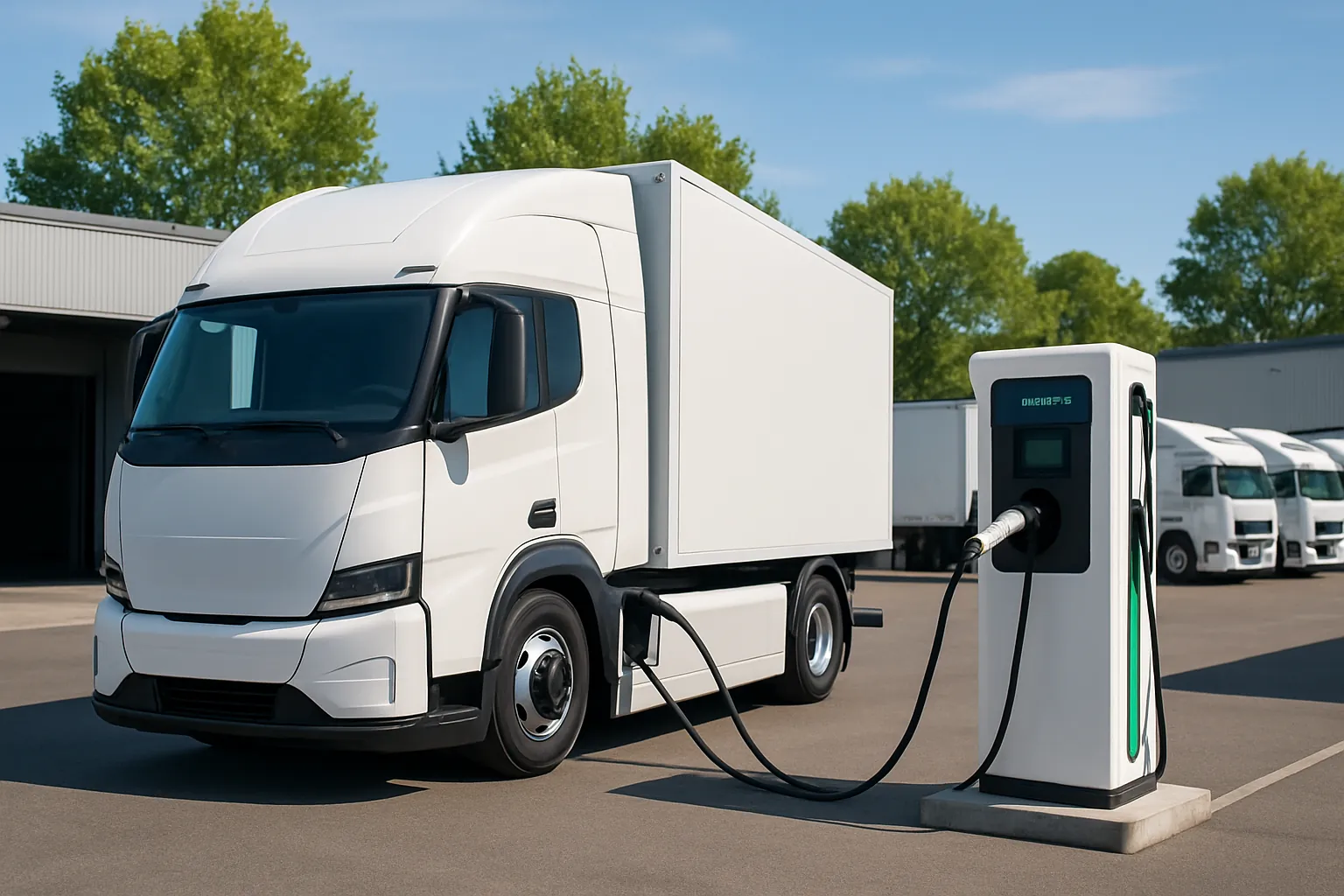
Rethinking Freight: ArcBest’s High-Stakes Tesla Test
The long-haul trucking industry has long been viewed as a stubborn frontier for electrification. Diesel has been the lifeblood of American logistics for generations, powering everything from interstate shipping to grocery store deliveries. But an audacious pilot by ArcBest, using Tesla’s highly anticipated electric semi-truck, is challenging the notion that electric vehicles (EVs) are a pipe dream for Class 8 freight—opening a new chapter that could reshape the industry’s carbon footprint and bottom line.
For three pivotal weeks in early summer, ArcBest’s subsidiary, ABF Freight, put a new Tesla Semi to the test along the demanding corridors between Reno, Nevada, and Sacramento, California—a route famous for its steep grades, unpredictable weather, and relentless traffic. Over 4,494 grueling miles, the electric truck averaged 321 miles per day while ascending legendary obstacles like the 7,200-foot Donner Pass. The results? At 1.55 kilowatt-hours of energy per mile, the Tesla demonstrated a true leap forward in efficiency, standing toe-to-toe with its diesel predecessors on rugged terrain and busy highways alike.
ABF drivers were quick to praise the Semi’s comfort and modern design. They singled out its center seat configuration, panoramic windshield, and digital controls for creating a safer, more attentive operating environment. One driver remarked, “Visibility is a game changer—especially on mountain descents where precision matters.” For a workforce accustomed to spartan cabs and endless hours behind the wheel, these features go beyond bells and whistles; they speak to both safety and employee wellbeing, key concerns for an industry grappling with chronic driver shortages and high turnover.
Beyond the Hype: Grappling with Infrastructure and Economics
A closer look reveals that big challenges still cloud the horizon. As promising as ArcBest’s pilot results may be—matching, and sometimes exceeding, diesel truck performance—executives and analysts alike know that wide adoption isn’t an overnight proposition. The elephant in the room remains charging infrastructure. Without broad, reliable access to high-speed charging along major freight corridors, the electric semi dream quickly runs out of juice.
Matt Godfrey, president of ABF Freight, put it bluntly: “Any move toward electric trucking must meet or beat the performance and total cost of ownership of our best diesels. Otherwise, it’s just window dressing.” That calculus includes not only up-front purchase price—Tesla’s 300-mile range Semi is projected at $150,000, while its 500-mile version clocks in near $180,000—but ongoing maintenance, range flexibility, and most crucially, that all-important downtime when vehicles sit idle waiting for a charge.
According to Navigant Research, nearly 63% of fleet operators cite charging availability as their top barrier for EV adoption. As pointed out by Harvard economist Dr. Lucy Chen, “The economics of electric trucks hinge on government incentives, declining battery costs, and aggressive expansion of nationwide charging infrastructure.” Policymakers in California and several northeastern states have been laying the regulatory groundwork for such changes, but the rest of the nation lags behind—a threat to the scalability of these clean fleets.
“We’ve proven these electric trucks can do the work. Now the question is: Will America invest in the infrastructure to let them thrive?” — Dennis Anderson, ArcBest Chief Innovation Officer
Still, the economics are slowly shifting. Federal tax credits under the Inflation Reduction Act, declining lithium-ion costs, and new public-private partnerships bode well for the next wave of electric truck orders—particularly for regional and rail shuttle routes, where range anxiety is less acute. ArcBest’s pilot is just one part of a broader portfolio; the company already fields nine electric yard tractors, two Class 6 electric straight trucks, and electric forklifts at several hubs.
Greener Roads Ahead? The Stakes for Climate, Workers, and Competition
The significance of this pilot extends well beyond ArcBest’s quarterly reports. Freight transportation accounts for nearly 7% of all U.S. greenhouse gas emissions, according to the Environmental Protection Agency—a climate burden intensified by the notorious inefficiency and pollution of diesel engines. Electrifying Class 8 trucks is not just a technological milestone, but a moral and strategic imperative for the entire logistics sector.
Progressive climate advocates view pilots like ArcBest’s as signals that the private sector is finally serious about reshaping industrial supply chains for a low-carbon future. In recent years, pressure has mounted from major shippers (including giants like Walmart and Amazon), as well as everyday consumers demanding cleaner, more transparent logistics. States such as California have led with aggressive zero-emission mandates; their Advanced Clean Fleets regulation requires a third of fleets to be zero-emission by 2030. Progressive leaders argue that, without robust governmental commitment, the transition will sputter—costing American jobs and missing urgent climate targets.
For workers, the electric transition carries hope and uncertainty in equal measure. Modern EVs could foster safer, more humane working conditions, but only if investments are matched by strong labor protections and training pipelines. The UAW’s recent negotiations with major automakers underscore these stakes: “Technology shouldn’t come at the expense of job quality,” said UAW President Shawn Fain after last year’s EV agreement announcement.
Beyond that, there’s the global context. As the U.S. edges forward, China and the EU are pouring billions into large-scale zero-emission freight. Will America seize the opportunity to lead, or get left playing catch-up?
For now, ArcBest’s Tesla Semi test stands as a beacon of what’s possible when innovation and climate conscience intersect. As public demand for sustainability grows ever louder and the cost calculus tilts toward clean energy, the pressure is on lawmakers and industry leaders alike to finish what these pilots have started. The road may be long—but it’s headed somewhere new, and it’s about time we all hit the accelerator.
